Holiday Musings

We’re now within a week of my favourite holiday of the year. I prefer the giving aspect of it; my bah humbug is reserved for trying to figure out where in the house we put all the new stuff the kids end up receiving from two large and loving extended families.

It’s also a great time of year to reconnect with friends and family. We actively seek each other out to arrange gift exchanges, plan turkey dinners, decide on play-date activities for the kids, and share some holiday drinks (note – Amaretto is sweet, and complements the egg nog quite well).

On that note, I want to break from the script for a moment to mention an item I feel compelled to write about given the proximity to Christmas. There was terrible news circulating recently about a young mother from New Brunswick who had gone missing on the Caribbean island of Grenada where she lived with her husband and two young boys. She was discovered the following week under tragic circumstances. I knew this woman as an acquaintance, dating back to the wedding of one of my oldest and dearest friends. She and her husband met at university and met my friend around the same time. Their families have been close ever since; even across long distances they regularly speak and their kids are friends with each other. My thoughts have been with them steadily over the past two weeks as they try to grapple with a sober reality none of us thought possible. There has been an outpouring of emotion to honour and remember her gift to the world as a wife, a mother, a friend and colleague. Rest in peace Linnea – your spirit is alive and well in everyone you’ve touched.

Grief starts to become indulgent, and it doesn’t serve anyone, and it’s painful. But if you transform it into remembrance, then you’re magnifying the person you lost and also giving something of that person to other people, so they can experience something of that person.’ – Patti Smith (courtesy of Brainyquotes.com)

Read more at http://www.brainyquote.com/quotes/quotes/p/pattismith590997.html#0pAjtAV5UKBYIwHj.99


In reading the section above, the tone of this piece has definitely darkened more than I had hoped. This blog has and always will be a release and a look inside my experiences. Not only as a professional, but  also as a person who’s constantly trying to understand the world. The good comes with the bad, the unpleasant with the euphoric. The challenge is to avoid taking for granted good health, and the good will of those around you. Time really does march on, and we have pockets of it where everything seems right. By cherishing those moments, it really does help manage the fear and despair when those emotions come to call.

So this Christmas season, hug that loved one a wee bit tighter. Enjoy the company and just be; no work distractions, no side projects that can wait till the New Year (that’s what resolutions are for). Try to let go of slights or grudges, even if it’s just for one day. To those traveling, we wish for good weather and patience in the airport security line. To the Syrian refugees who now call Canada home: we wish you a safe and peaceful holiday season.

From my family to yours, have a very Merry Christmas and Happy Holidays!

  • Your friends at PharmAspire


Disclaimer: The views and opinions expressed in this article are those of the author(s) and do not necessarily reflect the official policy or position of any agency, employer or affiliation.

Holiday Musings

Ah, the holiday season is upon us. In the case of retail pharmacists, it’s a time to fit shopping and decorating in between adjusted schedules to allow for staff to have a few days off. Patients become less patient due to the bustle and we are managing care while physician’s offices close until the New Year (which is becoming easier every year now that we have prescribing authority).

So as life slows down for at least a couple of well-deserved days of rest, I would like to take the opportunity to look back on a very eventful year for PharmAspire. Every interaction I have, every bit of news that pops into my inbox, all seems to find its way into the writings somehow.  Sometimes, I have wondered if the list of topics would reach an endpoint or the themes would become stale. But pharmacy is so fast-moving, chasing that moving target continues to make this site fun.

Let’s see here:

We started with New Year’s  and all of the expectations we create for ourselves. The follow-up on that was more interesting to me only because I realized how much was forgotten about the original post; although I was somewhat successful with my goals to that point, it wasn’t because I had a constant reminder to keep me on track. Maybe that will be my first resolution for next year…

The next item to highlight is one of my favorites, and it came in 50 shades. This drew on my personal experience and attempted to emphasize the uncertainty of what new clinicians may be dealing with, including myself. February was a turning point in that I was contacted by Pharmacy Practice + with an offer to work together for the publication. It has been an honour to work with such a fantastic editor. Vicki, your support this past year has been phenomenal and I look forward to seeing what is in store for 2015. I can’t thank you enough.

Fast-forward to the spring and we had a couple of lifestyle pieces about Life Outside Work and the 60/40 rule. Then heading into the fall, we visited regulation-related topics including licensed technicians and lab requisitions.

It’s been quite the journey, but a rewarding one that continues to push me to be a better practitioner and a better person. None of this would be possible without a few key people:


My friends – After a post, I will inevitably receive a tweet / email / text / phone call from someone giving me encouragement. They look through the magazine when it’s delivered. They’ve elected to receive email alerts the site. They’ve started following me on facebook and Twitter. Pharmacy is a huge community, and I’m blessed to be a part of it.

My family – Di and the kids have been the unsung heroes through my roller-coaster career. They keep me grounded. They provide perspective to who I am and what I strive to be.

Mom and Dad – I can always count on mom to be asking for back issues of any months she may be missing. They are with us every step of the way, helping two full-time shift-workers maintain a semblance of normalcy amongst a chaotic routine.

Laura M. – She’s been there since the beginning. Over oat cakes and lattes, she showed me what a blog actually was. Her input has helped my confidence and simply put, made me a better writer. By making sure I don’t take short-cuts when articulating my thoughts, or using confusing similes / metaphors, she takes my flight of ideas and condenses them into readable prose. She has also written a number or pieces for the site as well. A heartfelt thank-you for everything you’ve done and continue to do.

Finally, to you the readers – This blog is an avenue for us to explore our lives in pharmacy with a positive light. Taking the time out of your day to check out a post means a lot. As therapeutic as it can be for me, hopefully some of the topics will continue to resonate with your own practice and professional development.


So what’s in store? I’ve had a couple of people suggest vlogging, which frankly I find terrifying but if it encourages collaboration, I may be convinced. There are a few irons in the fire that may drive content early in the New Year, so stay tuned for that. I’m always looking for folks wanting to contribute ideas, discussion points, or media items. Feel free to contact me:

email: dcovey@pharmaspire.ca

Twitter: @pharmaspire

Facebook: pharmaspire


Let’s raise a glass of egg-nog-infused cheer! Have a Merry Christmas and Happy Holidays!


Disclaimer: The views and opinions expressed in this article are those of the author(s) and do not necessarily reflect the official policy or position of any agency, employer or affiliation.

My 60/40 Rule

Every job has its drawbacks. That’s one reason it’s called a job in the first place. If work always felt like play, we would have reached a utopian state where we made a living doing only what we loved to do, be it counseling, writing, or playing golf. We wouldn’t need to worry about pesky things like ‘stress’, ‘pressure’, or ‘tact’ when dealing with others.

On the other side of the same coin, destroying your mental health for the sake of advancement or financial gain doesn’t strike me as a worthwhile endeavour either.

My personal rule is simply 60/40: three days out of any given work week need to be rewarding in some way. The 60/40 split is hardly cutting edge, it’s used for investing, relationships, and describing rear-seating in newer sedans. In my case, it serves as a guideline for contentment with my job, and a personal threshold to feel I bring value to my current role. Projects I may take on, people with whom I interact, and results I can help generate all contribute to that ever-elusive job satisfaction. Those other two days? Maybe it was a terrible night’s sleep, or one of the kids is sick, or perhaps I run into the wrong customer that day (see ‘No-Win Situation‘). Regardless of the reason, I can accept the not-so-fun 40% if I can freely enjoy the other 60%.

I used to work a lot of overtime. Through travel commitments and a seemingly endless cascade of crises to manage, a 55-60 hour work-week away from home happened more often than I want to admit. In addition, when I was home, my mind was still focused on that next task, and the incoming urgent email. My workaholic tendencies were born out of a fear of failure, and it wasn’t that I always loved the work, it’s that I didn’t know how to effectively remove myself from it.

It took awhile for my brain-hamsters to illuminate the lightbulb. My work-week was woefully out of balance, but instead of stepping back to evaluate my routine and maybe learn to appreciate the more mundane facets of the job, my approach was to add an extra day or two and fluff it up with things I wanted to do. I was able to re-establish my 60/40 and it worked…for a bit. With a wife and two kids, I wasn’t making it any easier on them or me. Change was necessary and ultimately, a relief.

Truth be told, there was plenty I enjoyed about that time, and with very few regrets. I’m still an ambitious person with a strong passion for pharmacy, but I needed to step back to rediscover my own personality and how my unique skill set can best contribute to the profession. If I hadn’t, there would be no committee work, no successful foray into advocacy, and no PharmAspire. I feel that my professional life is much richer, and my corner of the world is much more well-rounded…by more than 60% anyway.


Disclaimer: The views and opinions expressed in this article are those of the author(s) and do not necessarily reflect the official policy or position of any agency, employer or affiliation.

Improving the Quality of Life for the Frail and Elderly

The current healthcare system is stressed. As the population ages, the coupling of increased life expectancy with a decreased workforce means that resources (financial, human, medication supply, etc) to care for our citizens are constantly being reviewed and re-allocated.

Over the past 10-15 years, from the courses I took in school to present day, the importance of preventative therapies as a justifiable investment towards future savings has always been stressed. These savings come in the form of doctor’s visits, emergency room visits, hospital admissions, reduction in debilitating illness, or premature deaths. In actual fact, the proper term is ‘cost avoidance’ unless the healthcare system has a bank account somewhere for a rainy day. Although the disease-prevention message wasn’t new when I started, it’s been a mantra with which many of us are familiar. Through aggressive targets for things like cholesterol levels and A1C, we can keep ambulatory patients in their homes longer, and reduce the need for direct nursing care or renovations to the house (ramps, lifts, grab bars, etc).

So what happens once an individual can no longer live alone? Sometimes this is a result of a physical or mental disability, a tragic accident, or a stroke. In these cases, age does not matter. More often than not, however, nursing homes are the residences of our frail and elderly. They are from all walks of life, and from countless backgrounds. They are trusting their healthcare teams to make decisions that better, or at least maintain, the quality of life they have left to experience.

Quality of life has always been a subjective measurement. It can mean something different for each person being measured. An elderly man living at home may see quality of life as maintaining his driver’s license through glaucoma therapy. Conversely, a lady with a hip fracture may see quality of life as avoiding weekly bloodwork for her warfarin regimen. A person with diabetes in the community places priority on treating his/her neuropathy so that they can enjoy walks with their spouse. Whereas a person with diabetes on dialysis may gain enjoyment in sampling a high-sugar treat like that fresh-baked cinnamon bun from the kitchen.

A patient-focused care model certainly helps prioritize our interventions, but what other tools are there? Most guidelines use evidence from demographics representative of the larger population. Unfortunately, frail and elderly patients are usually not amongst those being targeted. I’ll use a diabetes example to illustrate: aggressive blood sugar control is the hallmark of preventing progression of the disease and its resulting sequelae. In the frail and elderly, the risk of falls is much more of a detriment to quality of life. Episodes of low blood sugar are significantly greater with aggressive control, leading to more falls. By relaxing the targets, we can manage that risk.

Fortunately, a new project is on the horizon to address these issues:

http://polypharmacy.ca

Pharmacists are drug experts and have strong opinions on what constitutes appropriate versus inappropriate prescribing. This occurs in every practice and in no way does it denigrate other practices or professions; it’s what we were specifically trained to do. Although the term polypharmacy simply refers to the use of multiple medications by a patient, it lacks a universally consistent definition in literature. It’s often used to describe excessive or unnecessary prescribing that increases the risk of adverse drug reactions, drug-drug interactions, and higher costs.

Thankfully, as pharmacists are finding increasing opportunity to collaborate within healthcare teams, we are able to use our expertise to perform impactful medication reviews in the settings of continuing and long-term care. The polypharmacy site offers a number of clinical tools and guidelines that may help in the decision-making process. Check it out. It’s a public site that anyone can access.

It’s a huge initiative, and pharmacists have the perfect skills-set to educate and implement these interventions.


Disclaimer: The views and opinions expressed in this article are those of the author(s) and do not necessarily reflect the official policy or position of any agency, employer or affiliation.

Pharmacy Lawn Care

***This post was originally created March 3rd and may be found as a static page on the left sidebar under ‘About PharmAspire’. It was inspired by the editor of Pharmacy Practice +. Thank you Vicki 🙂

Recently I was asked to write a blurb to introduce myself and expand on the creation of PharmAspire. Over the past year, I’ve tried to share pieces of me through my thoughts and experiences, but haven’t really given any background to the ‘who I am’ and ‘why I created a blog’ questions. I guess that would be a good place to start.

I have been a community pharmacist since graduating from Dalhousie in 2001. Since then, I have been involved in many aspects of community pharmacy. This includes exposure to pharmacy management, marketing, human resources, professional development, corporate direction and process analysis. I’ve met many great leaders and have several mentors within the profession. I’ve had moments of burgeoning job satisfaction and also some periods with an empty, ‘is-this-for-me?’ feeling inside.

I have been fortunate that my career has had been mostly ups with only a sprinkling of downs. Here are a few of the highlights that capture my journey as a practitioner. Firstly, in 2005, I was asked to manage a dedicated long-term care site. This role required me to not only provide medications to nursing homes, but also use consulting hours each week specifically to support facility initiatives. I was able to be part of a collaborative team along with the administrative staff, the nursing staff, the medical director, and a recently added nurse practitioner. I was invited to chair pharmacy and therapeutics meetings, help draft policies and procedures, perform training sessions, and take part in facility events for the residents.

My second example is from my time at corporate office. I had always enjoyed the professional development side of human resources, and was fortunate enough to have a hand in preparing and delivering numerous events for staff. There was quite a variety, ranging from orientation of new pharmacists, to managers-only sessions, to training events for the entire pharmacy staff across multiple provinces.

The single largest change in my career was in July, 2012. Changes to legislation had begun to severely impact the life of a community pharmacist. Our new expanded scope of practice required that changes to practice be integrated on an accelerated schedule to counter drastic changes to the existing economic model. I was leading a team through these transitions, but realized that I was struggling with my readiness to change my own practice. I made the personal decision to step back and rediscover what drove me to pharmacy in the first place. PharmAspire began as a way for me to channel my thoughts and observations to focus on the positive.

Pharmacists thrive in many sectors of the healthcare system. When significant changes come about, there are almost always negative aspects associated with the transition. The old cliche, ‘the grass is always greener on the other side’ starts to resonate and folks look for new pastures, and new challenges. However, many of us have roots in the sector in which we work, and if our experience can influence how the changes are implemented, it can only help to sand down the rough patches. My goal with the blog is to inspire and motivate pharmacists. Wherever you may be, grab a bag of fertilizer and make your own grass greener. Strengthen those roots and get excited about sharing new experiences.

So what kind of pharmacist do you aspire to be? The tagline is, ‘The Practice of Pharmacy On Your Terms…In Your Terms.’ and those ideas can spring from anywhere at anytime. The act of describing in our own terms the barriers we’ve overcome and the rewards we reap, will help the entire pharmacy community to evolve our practice to meet the needs of the healthcare system, on our own terms.

Disclaimer: The views and opinions expressed in this article are those of the author(s) and do not necessarily reflect the official policy or position of any agency, employer or affiliation.

Happy Holidays

Many of my posts seem to be about reflection.

Whether it be people, places, events or anecdotes, the spirit of this blog is to reach as many pharmacists with thoughts and experiences that may help them achieve a rich practice experience wherever they choose. Contributors range from all across the spectrum and include not just pharmacists, but other health professionals affiliated with pharmacy practice. I find the added perspective from nurses, technicians, doctors, benefit providers, and educators (to name a few) really help to enhance our messaging (yay, flu shots!) and support contributions that we may overlook (taking 5 minutes to review discharge orders, or explain special auth processes).

Candy cane mortar

The past year has been very rewarding for PharmAspire. The social media aspect is a strange animal so it’s taken some time to get a handle on it. Some of the posts seem to have connected with readers from the comments I’ve received. For users of the wordpress site, these comments have been posted directly on the blog but I’ve had supportive feedback through email and text as well.

Building on these successes, 2014 is anticipated to be even better with a variety of content styles, and from a larger pool of contributors. If you would like to be a part of the project or have any content ideas to pass along, feel free to contact me:

Email: <dcovey@pharmaspire.ca>

Facebook: https://www.facebook.com/pharmaspire.ca

Twitter: @PharmAspire

After such a shameless plug, I have plenty to be thankful for this time of year. A special holiday thanks goes out to Laura M. She has been invaluable in not only introducing me to the blogosphere, but kicking my behind to promote on the above social media sites, and most importantly, applying gentle amounts of spit and polish to all of my ramblings so they are more easily read and on point (mostly). Her pieces on the site have added a real-world, front-line flavor that are genuine and powerful. Thank you Laura for the motivation and inspiration.

To all current readers, this would also not be possible without your interest in the writings and discussion. Pharmacy is dear to the hearts of all of us. Our careers, our public personae, our future opportunities all hinge on the events of today and how we navigate them. Our collective thoughts and observations are vital to seizing those opportunities as they arise. If this project helps connect two pharmacists or health professionals that have never met for the good of the profession, then we all benefit.

From myself, Laura M. and all PharmAspire contributors, we wish you a very happy holiday season. Here’s to good health and good times with family and friends! See you in the New Year!

Disclaimer: The views and opinions expressed in this article are those of the author(s) and do not necessarily reflect the official policy or position of any agency, employer or affiliation.

Opiate Addiction in NS

Since graduating pharmacy school in 2009, I’ve noticed the problem of opiate addiction has had heavy media coverage in Nova Scotia. It feels like once a month we hear of yet another horrible story. Someone overdosed. Someone committed suicide because they couldn’t handle their addiction anymore. Someone is arrested because they are selling prescription narcotics on the streets. The problem is growing every week.

Recently, I took a course on opiate addiction and its treatment through the Centre for Addiction and Mental Health (CAMH). This course highlighted just how vast this problem is, not only in Nova Scotia, but across Canada. The coursework included the physiology of addiction,  pharmacology of opiates in addiction and how to treat people with the disease. I learned many valuable lessons from this course and I’d like to share a few with you.

1) Addiction is a brain disease. It is not a choice.

In pharmacy school, I was taught that if an opiate was prescribed for the right patient in the proper circumstances, people could not possibly become addicted to them. The implication here is that the people who are given these prescriptions must CHOOSE to become addicted or they must have a predisposition to addiction. If Mary breaks her leg and is given oxycodone IR to manage the pain,  she will be able to come off of those pills without issue unless she decides otherwise.

In the CAMH course, we were shown several videos where patients in methadone and buprenorphine treatment programs discussed how they became addicted. One person broke her leg and was given oxycodone. Another had dental pain and was given Percocet to help her cope. Another guy had chronic back problems. All of them were prescribed these drugs for legitimate reasons by doctors who just wanted to help their patients feel better. Every single one of these patients became addicted. Not because they wanted to, or chose to become addicted. Not because they had underlying mental health issues (though some did, not all) and were self medicating. They became addicted because of the drugs themselves.

With opiates, euphoria sets in during the first dose. Patients feel great when they take them, not only because their pain improves but because they work directly on the reward pathway. Because of this, the person taking an opiate feels fantastic. It’s that same reward pathway that leads to all the trouble. When the euphoria leaves, the patients feel awful.  Actually, they feel even worse than before starting drug therapy. And so, they reach for more. In this way, the cycle of addiction begins.

The take home message here, for me anyway, is to change the way I discuss these medications with people. The goal of course, is not to scare them away from proper pain management. Rather, if someone asks me if they can become addictive, to change my answer from the one above learned in pharmacy school to yes, they can be addictive. Therefore, use them when you need to and at no other time. And, if you feel like it is becoming a problem or you’re losing control of your use, talk to someone you can trust.

2) Addiction is a lifelong disease.

I’ve known this for awhile but this course really hammered the point home for me. Addiction is something to be managed, not cured. It is unrealistic to expect that the patient that comes to your pharmacy with their first prescription for methadone will ever discontinue maintenance treatment. It should be looked at like hypertension or diabetes. A chronic illness that we can manage very well and, in doing so, allow our patients to have normal, happy, productive lives.

In that same vein, it is unrealistic to expect that our patient on methadone will never relapse. Addiction waxes and wanes. The patient who was stable for years on 50 mg may have to have a dose increase to 70 mg for a while because they started using again for whatever reason. Just like your patient with hypertension may need a medication adjustment every once in a while, so too will your opiate-addicted patient.

3) Counselling, in all its forms, is essential. 

In this course, I learned of the incredible value that case managers, social workers and addictions counsellors give to the treatment of addicted patients. Studies have shown that regular counselling, even if it is simply a 5 minute chat, improves outcomes for these patients. The counsellor speaking to us at the course said that this applies to any health care provider who has contact with these patients. In fact, he pointed to the huge potential role pharmacists have to play in counselling. We see these patients much more often than any other member of their care team. In the beginning, we see them every single day. When they have been stable for some time, we will see them at a minimum of once weekly.

I have used this information to change how I dispense methadone. It is very easy to say “ok John Doe, here is your dose, have a good day.” I’ve started asking how they are feeling. Are they having any side effects, do they notice any withdrawal symptoms? I’ve begun to ask them how they are sleeping, and if they have any pain anywhere. These conversations do not take much longer than the “here’s your dose” conversation but they provide so much information. They also make the patient feel like they can come to me with any issues. One patient mentioned to me that they start sweating 3 hours after their dose. This points to the fact that the dose might be a bit high because sweating is a side effect of increasing methadone doses. Both the patient and myself discussed the issue with the prescribing physician and the issue was resolved.

Conversations like that show the patient that we are on their team and there to help them. They are also the main reason I wanted to be a health-care professional in the first place.

In closing, the problem of addiction in this country is not going to go away any time soon. We need more health care professionals trained to deal with the ever increasing population of patients who need our help. We need more doctors to get their methadone and/or buprenorphine exemptions. We need more pharmacies to dispense methadone. We need to educate the public on the benefits of treating patients who have addictions. We need to help quell the fears of people who are terrified of clinics and pharmacies who are involved in addictions treatments. The studies are there to prove success can be achieved and communities can be saved from this awful disease. We all need to pull together to make that happen.

If you’re looking for more information on this course or addiction material, check out the CAMH website www.camh.ca

Also, previous posts have discussed the More Than Meds project that is ongoing in Nova Scotia. People with addictions need people like pharmacists to help them navigate the healthcare system.  Check out the More Than Meds project at http://www.morethanmeds.com

Disclaimer: The views and opinions expressed in this article are those of the author(s) and do not necessarily reflect the official policy or position of any agency, employer or affiliation.

‘Come in Out of the Cold’ – Smoking Cessation Pt 2

Back in July, I wrote a summary of my first workplace smoking cessation presentation:

https://pharmaspire.wordpress.com/2013/07/17/smoking-cessation-and-other-lame-unimaginative-post-titles/

It was such a rewarding experience professionally. At the time, I was getting my feet wet in a new location and wanted to create more of a presence among my fellow employees. The goal was to educate my colleagues on what we can do for them and their families. Perhaps I could present to them a pharmacy service they would be proud of within and outside the walls of the building. Though turnout was low, I still enjoyed the session and wanted to share. I found myself writing this:

‘Here’s hoping the next one, – and yes, there will be a next one :) – , will build off of this and bring the discussion to two more people. If I’m lucky, maybe word of mouth will help the turnout. If I have to do 10 more sessions to help 10 more people, I’ll gladly sign up. As an added bonus, I may even be able to prescribe something for those that ask for help.’
It took almost 6 months, but something funny happened. Unbeknownst to me, people talked about it. At first, -no surprise here-, it was the (non-smoking) leadership of the store that appreciated that we would hold these sessions voluntarily. It certainly had the health-education side covered, but also promoted employee engagement. Anyway, 3 weeks ago an employee approached me in one of the aisles and asked if I could  let them know when I would be holding my next session. One of the attendees had enjoyed it back in the summer and managed to stop smoking. Turns out it was only for a week but it resulted in them settling back into a routine that featured a significant reduction in daily smokes.

That was all it took. As the title suggests, my next session was immediately planned and held the last Tuesday in November after posting signage all over the store common areas (punch-clock, lunch room, bathroom doors, etc). I used the same format as before: over the lunch hour (pepperoni pizza on the menu this time, much to the chagrin of our in-house dietitian :$), I had my co-host and  partner-in-crime on tap for variety, and we rolled out the same presentation.

The story should go something like this:

‘We had 20 people, most were employees but more than a few were family members trying to quit themselves or there to support a loved one. We laughed and cried. The presenters were charming and phenomenal in every way, not to mention well-dressed and extremely humble (hah!). After the discussion, we made a toast to good health and entered a rousing rendition of Kumbayah before they individually booked appointments to develop their care plans.’

Sigh. I want to say the above is mostly true, especially those wily presenters. Time to roll out some bullet points.

– Divide the congregation by 20

– There was a family member who wasn’t quite ready to engage.

– There was no crying…plenty of laughing

– We DID toast to good health. Kumbayah may have to wait for the Christmas party festivities.

– An appointment WAS booked and a care plan is being developed as I type this.

Addiction is intensely personal as both a struggle and a journey. Many choose to battle in their own ways. Some are completely successful while others are not. Only the smoker can ready themselves to quit, and some are never ready. I liked the way this read in the first post:

‘But maybe, just maybe, a few of those folks have really struggled with their attempts to quit and lack any confidence to push through. If I make myself available, and convey that I want to help, perhaps that contact can make a difference.’

One person asked for the session…that person received the session. With pleasure.

Disclaimer: The views and opinions expressed in this article are those of the author(s) and do not necessarily reflect the official policy or position of any agency, employer or affiliation.

Into the Depths

Let’s forget for a second that I am a pharmacist by trade. Anyone, regardless of your education, belief system or social class, can put thoughts on a page. Fortunately, many do. They take many forms such as journals, blogs, poetry, songwriting, editorials, novels, plays, or scripts. Even the social media sites Twitter and Facebook are great forums for quick hits and grammar-optional pontification if needed 🙂

So why do folks write?

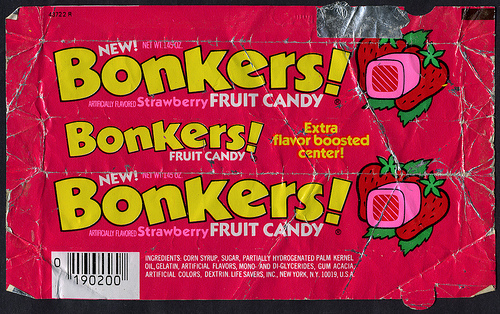
I’m not a philosopher by any means but I enjoy thinking and making others think. From a young age I was a curious sort with a never-ending stream of questions and observations. These served to both embarrass my parents and drive them bonkers, y’know, like the fruit-flavored candy with an even fruitier centre:

4392932409_90ae246824

(Awesome vintage photo courtesy of Jason Liebig – http://www.collectingcandy.com/ )

It’s still true today. My curiosity about people and behavior has not waned (and yes, embarrassing the parents is MUCH more intentional and fun). Only through engagement with others can you learn about them and find out just as much about yourself. Examples include similar or disparate reactions to the same situations or messaging, coping mechanisms, value sets, and motivator/stressor combos.

Team dynamics and group behaviors are an extension of this. What does it mean to be a ‘people-person’ versus a ‘loner’? I’ve always considered myself a people-person, but that does not necessarily mean that I was always accepted as part of a community or group. Similarly, I feel drawn to loners because they tend to have an independence or quiet confidence about them, at least in appearance. If I was building a team, sprinkles of both would be essential. The extroverts want to engage and the introverts usually have well-thought out ideas and opinions that require a little encouragement to share. Having a label just oversimplifies; sometimes you want to go your own way and other times you seek out support of others. The label is best applied to a tendency, not a personality.

So back to writing…the fear of judgement can be a paralytic. Even as I type this, that gnawing sensation that my opinions are available for all to see is a bit overwhelming and downright odd. Surely many others have considered doing the same but aren’t quite ready to voluntarily have folks peer into their thought-processes. What might they learn? Will readers understand my premise?

So these are my thoughts and anyone is welcome to them. Whether you’re a member of the pharmacy profession or on the fringe, I’ve been inspired by so many people it’s tough to acknowledge each one of them properly. Patients, family, friends and colleagues have all had a hand in this project, whether it be good supportive advice or reality checks. The best way I know to thank them is to keep sharing bits of me that they’ve helped grow.

For that I write…

Disclaimer: The views and opinions expressed in this article are those of the author(s) and do not necessarily reflect the official policy or position of any agency, employer or affiliation.

Odds and Ends – Pharmacy-Style

Just a few fun quick-hits:

1 ) Y’know? I really like counting Premarin; it’s ovoid shape makes the pills settle nicely on a counting tray. At one time the 4 colors were a bold green, maroon, pink and yellow. They are film-coated (no powdery messes) and they don’t need to be split. As a teaching tool, I have been told that the name itself refers to the original source of the medication and  translates to ‘PREgnant MARe’s urINe’ which is kind of a cool conversation piece whether completely true or not.

2 ) I can’t for the life of me figure out how to best handle multiple-strength dosing.

Once we received an Rx for Seroquel 75mg am, 50mg pm and 200mg qhs. It was filled with 25mg – 3 tabs qam & 2 tabs qpm, and as 200mg qhs. This Rx was refilled multiple times in about a 6-month period and due to recent adjustments, the filling of the 2 strengths somehow became staggered. We didn’t notice that the 200mg were lasting longer than they should and received an angry phone call from the specialist demanding to know why we filled the prescription the way we did: ‘I wanted him/her to take 8x25mg tabs at bedtime. The patient is no longer stable because he/she has decided not to take the night-time dose’. Okay, fine. Point taken.

Fast forward a few weeks. An Rx comes in for Gabapentin 500mg bid + 900mg qhs. Sensing that I may be causing more confusion than necessary, I ask if the doctor prefer I fill the prescription with one or multiple strengths (100mg and 400mg perhaps). Very politely I was asked why in the world  I would have someone take 19 caps a day when they could do it in 7? Um…I thought the same thing but, oh well.

3 ) Tylenol #1’s are a bone of contention for many folks. There must be an awful lot of people with intractable coughs requiring a bottle of these suckers a week. From a regulatory standpoint, I’ll need some convincing. A readily available Schedule II product, when taken in equivalent codeine doses, has the potential to be much more dangerous than its heavily regulated sister products. Ever notice how pharmacy teams treat T1s differently than other Schedule II products like iron supplements or decongestants? You want these products to be available for folks who truly need them, and not have it devolve into policing those that don’t (or would potentially benefit from an alternative therapy).

4 ) To the manufacturers of Concerta and Prometrium: bravo for your creativity in uniquely-shaped pills, but perfect spheres and cylinders are mighty annoying to try to count without them rolling off the counter onto the floor. At least the cylinder you have a good idea which direction it will go and chances are better for a great save or the 3-second rule (kidding).

Disclaimer: The views and opinions expressed in this article are those of the author(s) and do not necessarily reflect the official policy or position of any agency, employer or affiliation.