We pharmacists take pride in the many hats we wear on a daily basis. As with any collaborative health professional, we often are involved in patient cases that require much more than providing information about drug therapy.
A·poth·e·car·y (əˈpäTHəˌkerē/) – a person who prepared and sold medicines and drugs.
At one time, this was our most recognizable hat. The physician diagnosed, put a plan together, and off you went to the chemist (British term for pharmacist) to receive an elixir or compounded salve to cure your ills. Providing the right medications and the proper doses is still a large part of a pharmacist’s role, but as we evolve, so does our headgear.
Teach·er (‘tēCHər/) – a person who helps others to acquire knowledge, competences or values.
As drug therapy becomes more complex, and monitoring vital to positive outcomes, pharmacists need to constantly be prepared to educate on all types of regimens. These range from over-the-counter drugs to specialized biologic treatments. We must include what to watch for in terms of side effects as well as any positive measures of surrogate endpoints (e.g., A1C, total cholesterol).
Assessor (əˈsesər/) – a person who evaluates the quality of a person or thing.
We put on this hat in the counseling room when we need to assess understanding. ‘Please demonstrate how you are using your inhaler’. ‘Are you familiar with the term INR, and why frequent blood testing is necessary?”Explain when and how to use an Epipen or Naloxone Kit.’ This will usually lead into further teaching moments over the course of many interactions.
Nav·i·ga·tor (ˈnavəˌɡādər/) – a person who directs the route or course of a ship, aircraft, or other form of transportation, especially by using instruments and maps.
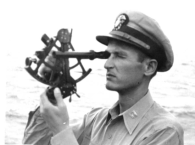
Image courtesy of the Computer Whisperer: http://www.thecomputerwhisperer.us
This would look pretty sharp with a lab-coat, don’t you think? You can thank my involvement with mental health initiatives for this one. The founders of the
Bloom Program here in Nova Scotia realized that our mental health system featured a wealth of resources and community-based initiatives that were not being used to capacity or not expanding due to lack of awareness. One of the original tools developed was called, appropriately enough, The Navigator and aimed to collect all known programs, community groups, hotlines and resources for each jurisdiction around the province. The goal was to empower community pharmacists to be more comfortable with being the first point of contact during crises and provide direction to patients and their families. This extends not just to specialist care, but financial aid, legal aid, counseling, and long-term care resources as well.
Coun·se·lor (ˈkouns(ə)lər/) – a person trained to give guidance on personal, social, or psychological problems.
I hesitated to list this one because pharmacists can not replace the skills and roles of trained counseling professionals. We do find ourselves in situations that require counseling ability in a more general sense. A supportive ear in the right place at the right time can sometimes make the difference in building trust and opening the door to a proper referral.
Ad·vo·cate (ˈadvəkət/) – a person who publicly supports or recommends a particular cause or policy.
Whether it’s recommending an equally effective generic combo instead of a newfangled drug therapy or suggesting a suspension for someone unable to swallow large capsules, we aim to put the patients’ health first. Pharmacists have called shelters to get those in need a place to stay, and are regularly contacting drug plans to wade through complex coverage policies. If we notice a patient’s condition rapidly decline, we may alert family members in their circle of care or help connect them with specialized programs.
Men·tor (ˈmenˌtôr,ˈmenˌtər/) – an experienced and trusted adviser.
The pharmacy community is strong. As much as we coach patients to take responsibility for their health, we also take time to precept students, giving them real life experience and challenging their knowledge. This is invaluable to their development as leaders within the profession. These relationships often last throughout careers and beyond.
And lastly, the most important hat of all:
You – the person behind the degree, under the lab coat.
As health care professionals, we possess a common set of trained skills, but our effectiveness is predicated on the passion that we bring to our work, our hobbies, our relationships, and our experiences. I wore a ball cap for many years of competitive baseball, and a felt cowboy hat for variety shows. Others don biking helmets for tours through Paris or Spain. Perhaps a hard-hat is worn for charitable works in impoverished countries, or simply a headband for another satisfying hour at the gym.
It’s true that as a service provider, some consumers just want to see a pharmacist, but countless others want you. Your thoughts, your opinions, your advice matter greatly to all of those you aim to help. Develop your style, get comfortable with infusing your soul into whatever you do. Everyone will benefit.
So lift up that brim. We can’t keep personalities under our hats.
Disclaimer: The views and opinions expressed in this article are those of the author(s) and do not necessarily reflect the official policy or position of any agency, employer or affiliation.


