I had been working on a draft for my next post. It was meant to be a lighter look at some of the subject matter at the recent provincial pharmacy conference in Nova Scotia. The conference took place at the end of September so I have really been dragging my heels this fall. The presenters were excellent and engaging, using the latest apps to poll the crowd and promote on social media. My 2026 resolution of sorts was to get back on the horse and dedicate more structured time to writing.
The truth is, I honestly didn’t feel like writing this past week, nor do I want to delve into what you will read next…
News came in after Christmas that there was a car accident at 8pm in the evening of Dec 27. A head-on collision with a suspected drunk driver and passenger in one vehicle, and an unsuspecting 52-year old husband and father of three driving home from visiting his parents. Glenn Rodrigues lost his life that night. The pharmacy community lost a giant. It lost a leader, a mentor, a teacher and a trusted friend. Incidentally, he was one of the presenters at the conference, and his energy that day was infectious. For many, that will be their last memory of him: watching in awe as he deftly led a real-time demonstration of AI scribe, proving its immense value as a clinical tool. He had such a knack for getting you excited about what the practice of pharmacy is today, and what it will be in the future. My last memory of Glenn was shortly after his presentation in the conference hallway by the coffee bar. I congratulated him on another amazing session and began to pelt him with suggestions for topics and formats for the Pharmacy Association 2026 podcast season.
I don’t know how to properly articulate just how much of a force Glenn was. I hesitated a moment before writing ‘was’ in the last sentence, as I feel he still ‘is’ and will continue to be. His fingerprints seem to be everywhere.
So many pharmacists, dating back to when he arrived at the Burbidge building in 1995 for his first year of pharmacy, have benefited from his boundless positivity and insight. He was active at the College till the very end, developing Skills Lab curriculum for burgeoning clinicians who sought to follow his lead.
The trajectory of pharmacy practice in Nova Scotia over the past 2 decades has been influenced heavily by Glenn’s passion and curiosity. Ahead of his time, he challenged conventional behaviors when it came to performing medication reviews, prescribing for minor ailments, managing injection clinics, integrating regulated technicians into workflow, piloting AI transcribing, etc. He received pushback on how aggressive he could be with practice change, but he was firm and confident in his beliefs on how he could…check that…WE could best provide clinical care.
So now we ask ourselves, “What Would Glenn Do?” When his sister Cara delivered Glenn’s eulogy, she encouraged all of us to ponder how he might approach life situations. For this level of grief, it’s difficult to point to any linings, silver or otherwise. One thing I do know is that Glenn would want us to THRIVE; he helped write a prescription for it, and he was a driving force in developing a camp for it. The idea for Camp Thrive was for pharmacy managers to come together and work through problems as peers without pressure or judgement. It touched on operations, change management, human resources, financials, and planning for the future. He wanted for us to feel empowered to make difficult changes and adapt beyond where we may have once thought impossible. He not only felt elation for when the sparks of change grew into a flame, he relished being part of the hatching of a plan, collecting the tinder and building that fire to last through the harshest weather.
Rest easy, my friend. We miss you, and we’ll do our absolute best to carry the torch you used to light our way. You will be a constant voice perched atop our collective shoulders for countless years to come.
Until we meet again, we’ll always save you a seat at the campfire.
Disclaimer: The views and opinions expressed in this article are those of the author(s) and do not necessarily reflect the official policy or position of any agency, employer or affiliation.
It was a hot sunny Thursday in July and I’m finally starting to feel a bit better. The previous two weeks were a collection of progressive symptoms from dry cough, then wet cough, then sinus block, then pain in the diaphragm, culminating in a wheezy mess with some shortness of breath mixed in. I’ll save the vibrant descriptions of the sights and sounds emanating from my lungs, but let’s just say that both my condition and demeanor were quite phlegmatic.
I was just recently contacted for a new family practitioner. My former physician retired in November of 2022 and the waitlist finally reached my name. Unfortunately the intake appointment was not for another three weeks, so the next Monday I decided to research booking an appointment at a local after-hours medical clinic. Looking at the government website, it listed nine locations in the province. In checking the hours of each, I discovered that only ONE (1!) had hours listed for the day, but it was an evening clinic from 5-9pm, located over an hour away, AND you had to pre-book an appointment. A pharmacist-led walk-in clinic no doubt would have resulted in a referral, so I decided to hit the nearby hospital emergency department.
I’m very fortunate to not have been in need of any medical intervention during these past few years. As such, navigating the current system as a patient was foreign to me. With all of the changes introduced throughout the pandemic, and a severe shortage of family practitioners, I was unsure of whether my situation warranted a spot on the emergency department triage list.
I rolled the dice and parked in the 4-hour parking lot, hoping it’d be enough time to at least get through the preliminary assessment. Hearing horror stories of 9-hour waits meant I’d be moving my car at some point. There were three steps: 1) Triage, 2) Registration, and 3) Wait for your name to be called. The first two were fairly quick, within 45 minutes, and I settled in for a lengthier stay. At this point of the morning, the monitor hanging above the department conveyed there were 25 others sharing the waiting room, with an additional 73 patients already within the unit. There were plenty of people in and out of the doors, but my perception was that there were very few in visible distress. It did appear that like me, many were orphan patients that needed attention or follow-up for chronic conditions, and had very few options other than wait their turn.
I received an ECG (requiring a wee bit of shaving) and chest x-ray before receiving a diagnosis of atypical pneumonia and a couple of prescriptions. The whole process took about 3 hours and 45 minutes. When I got back to the car my thought was that I made out like a bandit. I may have been classified as a 3 – Urgent on the Canadian Triage and Acuity Scale but to be in and out under four hours? I had plenty of time to drop off my orders at the pharmacy for filling and be home in time for supper.
Then it occurred to me…
Why don’t pharmacy practitioners enjoy a similar grace? Why is the on-demand nature of pharmacy services becoming such a flashpoint for patients and practitioners alike? With burnout reaching a fever pitch, methods for protecting pharmacy staff should include mechanisms that give a similar control over triage and capacity to address patient needs. Inevitably, this has led to sombre reflection on one of the singular tenets of pharmacy practice for as long as I can remember: accessibility.
The pharmacy profession has long touted accessibility as a calling card. For decades it was understood that pharmacists were relatively underutilized; as drug experts, there was significant education provided towards pathophysiology, medicinal chemistry, pharmacology, and evidence-based disease state management. Although diagnostics were not a focus, inter-professional collaborative practice allowed for plenty of exposure to assessment and documentation. Pharmacists achieved a degree of comfort with many common self-limiting ailments and the savvy to make strong referrals for medical interventions beyond their scope. The public were initially wary, and advocates really pushed for pharmacy to shoulder more of a primary healthcare burden.
When the pandemic hit and services became increasingly scarce, once again pharmacy professionals did their best to position themselves as a trusted point of contact for patients in need. Whether it be a long-time patient needing renewals on their diabetes medications, or an orphan patient with uncontrolled hypertension needing an adjustment in therapy, pharmacy staff did their absolute best to intervene and monitor those conditions.
In fact, they were so successful in delivering that care, the public quickly recognized the value and convenience, which began to affect conventional dispensary workflow. Investing and dedicating staff to provide these clinical services has come with a new suite of challenges, with two of the major ones being 1) the transition from a ‘walk-in’ to an appointment-based practice, and 2) inconsistent / confounding funding models for service provision. Yes, pharmacists are legally permitted to perform a range of prescribing activities, however many are subject to conditions or restricted to specific scenarios to be eligible for coverage. Depending on your province or jurisdiction, the management of clinical problems may differ somewhat.
A current example is the recent statement from the Government of Canada regarding the shortage of combination pain-relievers containing codeine and oxycodone. Due to a manufacturing disruption, these products are in short supply for the next few months. As acute pain relievers, these medications are used as part of recovery regimens for minor dental and surgical procedures, as well as critical options for breakthrough relief for many patients with chronic pain syndromes. On the front lines, pharmacists are feeling the brunt of this problem; patients are upset and nervous that their therapies will be disrupted. Potential solutions could include therapeutic substitutions and prescription adaptations within a pharmacist’s scope, and in many cases those services are now expected. At issue is the underfunded time spent to provide these services, which make it exceedingly difficult to plan ahead and increase capacity within existing pharmacy practices without taking substantive risks.
So the question remains: how does the profession stay accessible whilst controlling that same accessibility? Although I am apprehensive of the idea of using a weapon to illustrate a concept, it stands to reason that there is inherent danger in how the issue is handled. If this accessibility ‘sword’ isn’t properly balanced, it could risk bringing harm to the patients (less access to timely services) or to the practitioners seeking to provide quality care (more access but without proper supports). It’s delicate, but we’re well on the way to finding the new sweet spot.
It will take practice and discipline, but we are more than up to the challenge. Of course, changing behaviors and perceptions is a huge undertaking, however the pharmacy community has proven itself to be incredibly resourceful and resilient. We will continue to lean on each other as we grow as clinicians. I strongly believe the solutions we need are all here within the community. In a future post we shall endeavour to review some strategies and generate even more discussion.
Make no mistake, in a short time, we will become proficient in wielding this accessibility sword and achieve that proper balance. The healthcare system will benefit, the pharmacy teams will benefit, and the public will benefit most of all.
Disclaimer: The views and opinions expressed in this article are those of the author(s) and do not necessarily reflect the official policy or position of any agency, employer or affiliation.
Regular readers of this blog have noticed a pronounced swing towards travel and personal interest pieces. The 10-part Odyssey was borne out of a desire to relive my recent trip to the US last August whilst learning and sharing various anecdotes along the way. This was never intended to be a permanent shift.
This is not a travel blog, but rather a pharmacist who happens to be writing about travel.
Let me explain…
It has been over a year now since my pharmacy career was interrupted. Using a simple sports team analogy, there was a change in strategy. I was summarily substituted from my role and took my place on the sidelines.
When I wrote Changes & Choices, it was about embracing the opportunity to evolve and grow in unexpected ways. It was about feeling those nerves when attempting a new task or planning a large project. It was about surrounding myself with supporting voices that cheered and challenged, lifted the spirits and tempered the expectations. It is a huge relief to have mentors for strength and guidance through the emotional whirlwind. They continue to keep me hungry and excited for what’s next.
Part of this sabbatical was to take a long, hard look at my track record to date; as an employee for sure, but also as a father, son, brother, spouse, and friend. How has my career trajectory impacted those around me, and my own sense of self? How have I adapted through the years, mentally and physically? How did I foster leadership with my teams, and how did I ask for support from my leaders when I was struggling?
This trip was emblematic of that reflection. Taking two plus weeks off in the middle of August was not something I had ever done before, as a relief pharmacist, as a manager or in any of my corporate roles. When there was vacation, often it came with frequent email and text check-ins to arrange coverage and respond to emergencies. This time the focus was on my parents, my fiancée, and enjoying every adventure along the way. The people we met, the towns we explored, the places where we ate, and all the miles in between were healing in so many ways. Those memories are forever, and brought out the best in me.
Truth be told, this blog was borne out of a similar reflection 12 years earlier (I repeat….12 YEARS). At that time, I made the decision to take a step back from a middle management pharmacy role and return to the front lines. The practice of prescribing was new for the profession and many pharmacists were grappling with the ethical dilemma of both prescribing and dispensing medication. Seeing your name on a prescription vial really was a vital step to owning the process. With turf battles being waged with other professional associations and exacting reimbursement criteria, confusion reigned for a time. On this front, I had a conservative approach; focusing on the diagnostic assessment as opposed to the resulting prescription felt like a solid starting point. The valid counter to this was to take the narrow expansion of scope and identify patients who would benefit. For example, we could now prescribe for cold sores, so cruising the OTC aisle for customers asking for Abreva or Lipactin would provide an opportunity for a consult and to educate the public at the same time. Stomach and sleep remedies were also popular. Unfortunately, the general assessment itself was not subject to funding, but was instead tied to specific prescribing activities.
The issue was quite simple: the operational side of me was aware of the possibilities that would come with dogged execution of our newfound abilities, but the burgeoning clinician in me wasn’t ready to take the plunge. I needed to be confident in my own practice before coaching others to navigate the change. It was tough to step down the ladder, but it was necessary and allowed me to be more effective when I received the chance again.
So here I am on replay, but this time I have a better idea of my strengths and weaknesses. I have explored different work environments and practice settings, if only to see if I can picture myself thriving in different roles. I have become more involved in advocacy and regulatory committee work, so It’s not a question of if…it’s when! The pharmacy profession continues to be a huge part of who I am, and want nothing more than to continue my contributions.
Therefore this pharmacy blog shall continue…and I can’t wait for that next piece of inspiration.
Disclaimer: The views and opinions expressed in this article are those of the author(s) and do not necessarily reflect the official policy or position of any agency, employer or affiliation.
Waking up spry, we could almost smell the faint scent of maple syrup and beaver tails. Today, we journey to the great white north!
Follow I-91 north for about an hour and twenty minutes to the hallowed border crossing near Derby Line (US) and Rock Island (Can).
A brief comment about border crossings; we tend to get nervous heading into the US. With armed border patrol and agents that ooze with personality, asking questions in a way that make every possible answer sound suspicious, it’s not a comfortable experience. My fiancée was asked why it had been over 10 years since her last visit, as if she was on the lam or hiding state secrets. On the way back to Canada however, it was stereotypically polite; a gentleman rocking a relaxed French accent welcomed us home.
One poor woman on foot made her way between the line of cars to speak to a border agent. I don’t reckon the answer she received was positive; standing at the window she pleaded for quite some time before ambling off around the corner.
The highway there changes to Autoroute 55N. Continue past Omerville and Sherbrooke all the way to Drummondville.
Merge onto Autoroute 20E, part of the Trans-Canada highway system, and traverse a 140 km gauntlet of towns named after saints you probably wouldn’t know: Saint-Cyrille-de-Wendover, Sainte-Eulalie, Sainte Janvier-de-Joly, Saint Apollinaire, Saint-Jean-Chrysostome, and my personal favourite, Saint-Redempteur (Sounds ominous…I told you it was the final destination 🙂 )
Jump on Autoroute 73N and cross the St Lawrence River.
Follow the QC-175 through Sainte-Foy-Sillery-Cap-Rouge until you see the walls surrounding the citadel of Old Quebec.
Old Quebec is a fascinating place; once inside the citadel, I had a sense of lurching back in time. The narrow roadways, short streets and dead-ends that surrounded common areas all fed into the allure. Below is the tourist map of the town layout including the waterfront. Those from Halifax on the east coast may recognize a familiar pointed configuration of the fort. The city walls extend along the top of the cliff to the right, with the land side guarded with gatehouse towers depicted on the left.
(Whilst typing the previous paragraph, I was distracted by, and continued trying to read the graffiti at the bottom of the panel. I think it’s in French, might start with a ‘5’ or end with a ‘Z’. Tilting your head doesn’t seem to help either).
As we were in town for only two nights, it was unfortunate that one of them was very rainy. We walked around anyway, with my shoes soaking through almost immediately. At least with overcast skies, it allowed for some nice pictures of the shiny streetscapes. I found the detour signs amusing; they suggest that it doesn’t matter where you go, just don’t go straight.
What would a trip to Quebec City be without a gratuitous photo of Chateau Frontenac? The hotel, operated by Fairmont, was built in 1893 by Canadian Pacific Railway at a time when rail was a prominent method of travel for the country’s affluent citizens. These grand hotels were luxurious in every way, replete with themed rooms, restaurants, and conference facilities. The Royal York in Toronto, and Banff Springs are other examples of the chateauesque style inspired by French Renaissance architecture of many chateaux lining the Loire River in central France. With the asymmetry, steeply pitched roofs, and often featuring ornate towers or spires, these structures are truly awe-inspiring.
Below left: The interior of the Notre-Dame-de-Quebec Basilica Cathedral. You may have caught the shot of the basilica’s street exterior in the gallery above. The inside is far more impressive; the detail of the arches, pulpit and stain glass that fill the clerestory windows is astounding.
Below right: A bust of King Louis XIV, better known as Louis the Great or the Sun King. Louis holds a legacy of French colonial expansion in the late 1600s into the early 1700s. He is the record holder for the longest serving monarch of a sovereign state, at 72 years and 110 days (1643-1715). Number two is Queen Elizabeth II of England, with a reign of 70 years, 214 days. The main difference being that young Louis ascended at age 4 upon his father’s death; he did not assume absolute rule until he reached the age of majority in 1661. Apparently, he thought rather highly of himself. The statue below is one of at least 20 he commissioned during his rule, along with upwards of 300 formal portraits. He nurtured his image as the Sun King, or the centre of the universe “without equal”.
The sides of the next two buildings are full murals! In the second example, you would swear the left hand corner pillar and windows are real. The wet grounds divulge the fact the rains were still swirling; sans umbrella, we didn’t get the chance to properly stop and fully study these works of art.
For our second day, the weather cooperated and we circled about to visit areas that we thought interesting from the evening before. One of the most fascinating was the Christmas Store, or La Boutique de Noel. If you are a fan of Christmas, the selection under this roof is incredible. Below is the view from the mezzanine, but it truly doesn’t do it justice. Every alcove, nook and cranny was full of ornaments, displays, figurines, and wreaths in every shape and size.
During our walkabout. gazing in shop windows suggested a heavy lean towards tourism; many stores featured standard Quebec-themed giftware or clothing. However, there were also plenty of high-end clothing boutiques and jewelry shops in every quadrant. There was one that stood out: Geomania. So much so, we bought souvenirs for friends and family back home. A geologist’s dream, there were displays and samples of mineral deposits alongside custom jewelry and polished stones. Each mineral they feature had its own section, with an entire room dedicated to a Jade museum, with stones mined locally in the province.
Also, there was this:
I’m sure folks were just sitting around the fire, contemplating the meaning of life and riffing on how yogurt was just so boring. Someone had an idea to add flavouring to it. Sure…vanilla, fruit, it’s all been done. Not so fast! Let’s add mint to the yogurt! While we’re at it, let’s add carbonated water to the mix and let it separate!
Surely, I jest. In fact, this beverage is called Doogh, a cold and savoury Iranian drink made of fermented milk that traces its history to Persian times. The word itself derives from the persian word for milking, dooshidan. It is the main Iranian drink to accompany meals.
Descending the steps into Lower town, we reach the small commercial sector of Petit Champlain. Mostly a pedestrian area, there is a collection of 45 vendors to explore as part of a co-op. The layout is depicted below. You can tell the main street is rather narrow and it was densely packed. We stopped off for an afternoon snack at Pub des Borgia for a plate of yummy smoked meat nachos before perusing the shops along the strip. There were fudgeries, fashion shops, jewelry stores, art galleries, various coffee bars and restaurants. We didn’t eat at The Crazy Pig or the Sauteed Rabbit, but checked out the menus for fun. There was also a fashion store called FLM. Due to the family-friendly nature of this blog, I have decided not to post the sandwich-board sign that spells out “F*** La Mode” 🙂
Below left: The view from the stairs connecting the upper and lower portions of town.
Below right: Looking up the street from the water towards the Funicular, a lift that rises about 60m on a 45 degree grade up the side of the promontory. The ride is barely a minute but a convenient way to travel the 20 storeys between Upper and Lower Town.
After an afternoon of shopping and tripping on cobblestones, we wanted something special to mark our final evening of the trip. Passing a few places on the walk, I decided to fall back to Italian food once again and made reservations for Restaurant au Parmesan. Only about a block away from Chateau Frontenac, the place was packed. Thankful for the reservation, we were seated in a side room where the noise level was decent. The molding across the top of every wall was chock full of liquor bottles and glassware. The bottles weren’t just the standard single malt variety you’d find in an Irish pub, but spirits from foreign countries in all sorts of fantastic shapes and colours. Every inch of wall was adorned with mirrors, decorative shields, and commemorative dishes. Adding to the ambiance, an organetto player circled the room playing Italian folk music. The food was decent, but pricey. I seem to remember having the rack of lamb listed as a house specialty, but it doesn’t stand out. However, the wine list was extensive and they featured some interesting desserts, including une Tarte au Sirop d’Erable (Maple Syrup Pie). I would recommend enjoying a meal here if you get the chance.
On the morning of Aug 22, we settled for the last eggs and a few remaining pieces of toast. Checking out of our AirBnB around 9 am, we embarked on the last 1000 km of our journey home, following the Trans-Canada along the St. Lawrence and into New Brunswick at the Edmundston crossing. Save for a biology break and a late lunch in Fredericton at the Rustico (driving through my dad’s old neighbourhood in the process), we took turns driving the 10 hours home.
During the long stretch in the car, I had plenty of time to think and reflect. The impact of this trip, at this time of my life, and with the people I love the most will stay with me forever. This odyssey represented more than a vacation, but an important point in time on my own personal journey. I will leave those thoughts for another day and perhaps another post!
Thank you for reading! It’s been a delight to share this experience with all of you.
Disclaimer: The views and opinions expressed in this article are those of the author(s) and do not necessarily reflect the official policy or position of any agency, employer or affiliation.
I couldn’t come up with anything clever or cute for the title this round, though White River Junction sounds like the proper setting for a western, replete with saloon, general store, and train bandits. Alas, this village on the Vermont-New Hampshire border does not hold the excitement of a duel at high noon, but we’ll get to that in due course.
Leaving Cooperstown Monday morning, there were some mixed emotions; though lamenting the fact we only had three more days to adventure, we still had lots of miles/kilometres to go and plenty to see driving through the mountainous state of Vermont. During the initial draft of the itinerary, I had wanted to stay in the state capital of Montpelier, until we looked at the tourism page for Montpelier. If you are a fan of the outdoors, there are plenty of hiking and camping opportunities in the mountains. Other than that, the Vermont History Museum looked interesting but is closed on Mondays, and the state house might have been a draw except we didn’t know anything about Vermont politics besides US Senator Bernie Sanders and his mittens.
Instead we opted for the more direct route along the interstate up Vermont’s eastern boundary, saving us some significant time.
Leaving due south on NY-28:
Turn left on NY-166 at Milford.
Snake your way to Maryland (the town named after the state) and turn left on NY-7E
Merge onto I-88 at Schenevus and continue 47 miles past Worcester, Richmondville, a place actually named Lawyersville (a hamlet northwest of Cobleskill village), Quaker Street (also a hamlet), and Duanesburg.
Branch off onto the I-90E at Rotterdam
Continue east towards the western outskirts of Albany, NY, the state capital and head north on the I-87.
After about 5 minutes north of Latham, veer to the right back onto NY-7E (the same one as before)
Cross the Hudson River into downtown Troy, NY, a city of approximately 50,000 that was first chartered way back in 1816.
Our foursome opted to make a pit-stop in Troy before crossing into the lovely green mountain state of Vermont. We were about 90 minutes into the day’s journey and the route ahead appeared sparse of rest areas and other services. I like to learn some about the surroundings, so here are a few fun facts about Troy:
Named after the legendary Greek city of Troy, made famous from Homer’s Iliad.
When central NY was settled in the post-revolutionary years, Troy followed the same trend towards the choosing of classical names, with other examples being Syracuse, Utica, Ithaca, and Rome.
Samuel Wilson (1766-1854) was a butcher and meat-packer during the War of 1812 and supplied the military. From local lore, he would stamp the meat barrels with U.S., which was interpreted as United States or Uncle Sam. Troy claims to be the historical home of Uncle Sam, and Mr. Wilson is buried north of the city.
It took some searching, but I managed to find the plaza contained in the purple square below:
Contained in this plaza are a Dollar Tree and a Market 32, a grocery chain under the banner of Price Chopper. They have a pharmacy department within the store. I thought it would be a great opportunity to scope out another pharmacy chain and perhaps find something for Dad’s wonky back. In all fairness, sitting for extended periods was taking a toll on all of us.
Proceeding through the front doors, the pharmacy was in the left front corner just past the small liquor section. Combing the shelves for common products, I scanned for first aid remedies, cough and cold, vitamins and finally hit the pain relievers, only to find that Robaxacet or similar were notably absent. Striding up to the pharmacy counter I asked where they kept muscle relaxants. The assistant looked at me quizzically and repeated the question with an inflection that suggested a degree of confusion. She then called over the pharmacist who informed me that I would need a prescription. Incredulous, I mentioned I was traveling from out of state and didn’t realize. She correctly surmised my Canadian roots as it was a common misunderstanding. At this point, my brain raced through an inner narrative that went something like this:
Wow! Back home these items are Schedule II, in a self-selection area of the pharmacy department. As a pharmacist myself, these products are routinely recommended for minor muscle-related injuries, helping with symptoms ranging from spasms to broken sleep. As scope expands for pharmacists, we are seeing an increasing number of orphan patients and are prescribing for a steadily growing number of health conditions. We are more than capable to appropriately provide these products with proper counseling and follow-up. It seems backwards that the States would be more restrictive than we are up north.
What actually came out of my mouth was simply, “Wow! You folks sure are backwards down here.”
I don’t believe it was rudely delivered, but more with an air of disbelief. As I walked from the counter it dawned on me that 1) I failed to share that I was a pharmacist and 2) they had not developed keen mind-reading abilities to deduce that I had a strong opinion on how their practice in this instance compared with ours. I then spent the next 15 minutes kicking myself for being such an ass and becoming one of ‘those’ know-it-all patients whereby the team would wait a few beats until I was out of view, then gaggle together and slag my behaviour. It was well-deserved.
A quick trip to the Dollar Tree netted a 6-pack of Ted Lasso-themed socks (thanks Mom!) and we were moving on:
Continue along NY-7 E for a half-hour towards Hoosick NY.
Once you hit the Vermont welcome sign, take the VT-279 E into Bennington where the exit directs you north on US-7.
Begin your ascent along the mountain ridge for 20 minutes to Manchester and exit east on VT-30S / VT-11E
For almost an hour, the route travels through the mountains through Peru, Londonderry and Chester before reaching Rockingham on the other side of the state. Unfortunately, we encountered very little in the way of rest stops or lookout points, similar to passing through the Catskills. We are spoiled living in eastern Canada!
Jumping on the I-91 due north along the New Hampshire border, we see our first mention of Montreal directing us closer to home. We arrived in White River Junction in the early afternoon.
Another one of those Census-designated places, White River Junction is a small unincorporated village of 2,500 people within the Town of Hartford. It’s quite small, but two minutes across the bridge spanning the Connecticut River lies West Lebanon, NH, with twice the population and services.
We decided to take the leap and visit our sixth state for supper, finding ourselves in the proper city of Lebanon, the only city in the county. Downtown wasn’t much, a series of 3-storey buildings that ringed a commons park. Circling this land are 3-lanes of one-way traffic and diagonal parking spaces. We were told that accidents are frequent due to a combination of poor visibility and unfamiliar drivers.
Once parked, the sky began to open up. I managed to get a shot of city hall before getting soaked.
We ate at Salt Hill Pub, a popular Irish-themed establishment with a laid back vibe. The menu is varied and the portions were large. I ordered the Pub Mac with buffalo chicken and Gorgonzola. I have a love/hate relationship with blue cheese; the taste can certainly complement dishes but when it overwhelms the palate, some meals have been ruined. Thankfully, this arrangement was amazing. The perfect blend of kick from the buffalo sauce and a sharp tang from the cheese. The plate was bigger than my face so half of the portion came for a car ride back to the hotel.
On the way back, we found an outlet liquor store and decided to satisfy our trip allotment. I was in awe; a full service grocery store space filled with any booze you can imagine, with no state sales tax! I happened to be on a bourbon kick and wrestled away a bottle of Bib and Tucker’s Double Char. Interestingly enough, Whistlepig distillery is local to the area, but unfortunately, their tasting venues were closed during our stay. Some of their lineup is making its way to boutiques in our neck of the woods.
Tomorrow we bid farewell to our neighbours to the south. With two days in Old Quebec left on the itinerary, we looked forward to the perfect end to a perfect trip!
Disclaimer: The views and opinions expressed in this article are those of the author(s) and do not necessarily reflect the official policy or position of any agency, employer or affiliation.
We woke up the morning of Aug 18 to some down-home Holiday Inn, egg-in-a-carton, conveyor-belt-toaster, do-it-yourself-waffle, gourmet breakfast spread. Ready to hit the road once again, we jumped back on the I-90 for a three hour eastward stretch.
We had been fortunate with the driving weather; other than encountering torrential rains along the Lake Erie stretch, the roads were dry and visibility was excellent. This day was a bit grey, but the route itself was relatively uneventful:
I-90 North for about 2-3 minutes towards Williamsville.
Continue to the east on I-90 for 203 miles (327 km), passing outside such hockey hotbeds as Rochester to our north, Syracuse to our south, and the smaller town of Utica, NY. Continue to Herkimer / Mohawk, and exit on NY-28.
Travel due south for 40 minutes through Dennison Corners, South Columbia, along the shores of Canadarago Lake, the community of Schuyler Lake, Cattown (two ‘T’s), Fly Creek, Index (yes…the hamlet of Index), and finally reaching our destination in Hartwick Seminary.
I have just listed a bunch of town names that I find amusing for one reason or another. Since I’ve long broken my ‘unnecessary tangents’ rule, here are some random thoughts I had whilst driving through this part of the country:
When mapping out the route, I was recognizing the names of cities along the way without ever having been there. I trace it back to my high school days in Halifax, NS in the early 1990’s. At that time, the city had a professional minor league hockey team called the Halifax Citadels, the Quebec Nordique’s affiliate from 1988-1993. I was a hockey and baseball nut then, trying my hand as a skating-challenged goaltender in various recreational leagues during the winter, and avoiding ground balls to the face playing third base during the summer. Two of the Citadels’ opponents were the Rochester Americans (or Amerks), the affiliate of the Buffalo Sabres, and the Utica Devils, the New Jersey Devils affiliate from 1987-1993. As for Syracuse, the Chiefs / SkyChiefs were the AAA affiliate of my beloved Toronto Blue Jays until as recently as 2018.
The village of Mohawk was a stopping place for General George Washington during tours of the region in 1783. The Valley Tavern on Main St, known in Washington’s time as the Shoemaker Tavern, burned down in 1973. I personally found Mohawk to be somewhat bleak and dilapidated, a vestige of once-vibrant rural towns that dotted our journey.
Canadarago Lake, although not named after my home country, does seem rooted in the same Huron-Iroquois word for village or settlement. It means ‘the lake that lies alongside the village’.
Schuyler Lake is a community name but there is no matching body of water on the map. As it turns out, Canadarago Lake was historically known as Schuyler Lake. Isn’t history fun…and weird?
You are probably wondering why our destination was Hartwick Seminary. In fact, even I didn’t know that was our destination until I was researching for this post; our hotel was the ‘Holiday Inn Cooperstown’, but the civic address was in a hamlet about 8 km south.
Cooperstown is a village within the town of Otsego, a Mohawk or Oneida word meaning ‘place of the rock’. It refers to Council Rock, a prominent rock partially submerged off the shore of Lake Otsego. It is home to around 1800 people and for a number of years, was famously known as the birthplace of baseball. If you recall the term ‘sister city’ from an earlier post, Cooperstown is twinned with Windsor, Nova Scotia, due to the latter’s claims of being the birthplace of hockey. The village attracts 260,000 tourists each year to the Baseball Hall of Fame, featured downtown on Main St. Founded by William Cooper in 1786, the village of Otsego was renamed in 1812 after he became a county judge and state congressman.
Notable year-round or summer residents of Cooperstown include:
James Fenimore Cooper (left) – William’s son was an accomplished author, writing historical fiction during the frontier period. His masterpiece is the romantic novel, The Last of the Mohicans.
Samuel F.B. Morse – A friend of James, he was a portrait painter before helping invent a single-wire telegraph and co-developing Morse code.
Erastus Flavel Beadle – Pioneer of pulp fiction publishing and creator of the dime novel (included mainly because of the awesome name 🙂 ).
You generally approach the town from the south. During peak times of year when parking is at a premium, it is recommended that you park on the hill above and take the Cooperstown Trolley about 2 km. We decided to chance it and managed to find a meter close to town hall. As you can imagine, baseball is everywhere; all gifts shops and restaurants have baseball-themed items adorned on walls and displays. In the photo below left, we see yet another obstacle smack in the middle of an intersection blocking our view of Mickey’s Place, a clothing store named after Mickey Mantle, a Yankee Hall of Famer. Below right, residing in the old Augur’s Books location, is the Cooperstown Beverage Exchange and Tasting bar. We had a couple of drams of their whiskey lineup, with the Cooperstown Select Straight Bourbon Whiskey Single Barrel being the favourite. Naturally, they too have jumped on the baseball train, with a series of exclusive decanters!
We had a late breakfast so it wasn’t until early afternoon when we decided to have an appetizer snack somewhere. I shall not name the establishment but will say that it was off a side street not too far from the main drag. We ordered nachos, and we all had an expectation of nachos. Preferably these nachos would have a combo of cheese, veggies, and protein baked and served with sour cream and salsa. I think they managed to get the salsa right; we received a plate of corn chips with a warmish, cheese-like sauce poured over the top. There may have been flecks of jalapeno in the sauce, but he disappointment was palpable. It tasted okay but certainly not worth the money. To add insult to injury, the bottled beers were warm.
After what amounted to our lunch, we made our way to the hallowed Hall of Fame:
Forgive me as I nerd out for a moment: I’ve been an avid ball fan since the late ’80’s and have always been fascinated my the stories, the players, and the statistics. I have memorized most of the individual seasonal and all-time records and can rhyme off a good share of the players enshrined in the hall. I really didn’t know what to expect, but naturally didn’t budget enough time to soak it all in. After watching the introductory film that ran in the theatre every 15 minutes, we spent a good two hours browsing, but easily could have extended the visit by at least two more. Usually, my parents and fiancée would patiently wait for me to pore over the placards and displays before moving on. Below is a very small sample of the pictures taken that day. I have at least seventy from inside and couldn’t resist shooting anything that caught my eye.
We begin with the placard that hangs to the right of the first door pictured above. It is to commemorate the first inductees. I have included ‘The First Class’ panel that sits at the far end of the actual hall that is attached to the museum. Of the class, Babe Ruth, Honus Wagner, Ty Cobb and Walter Johnson were in attendance. The missing member is Christy Mathewson, a pitcher who played until 1916 and won 373 major league games. Sadly, after serving in WW1, he passed in 1925 from tuberculosis at age 45.
Below left: An entire section devoted to the legend that was George Herman ‘Babe’ Ruth.
Below Centre: Every major league team has it’s own locker with game-used equipment from historical moments in their history. The most recent addition to the Toronto Blue Jays locker is the “AL” batting helmet worn by current star Vladimir Guerrero Jr during the 2021 All-Star Game. He homered and was the game’s MVP.
The next three shots pay homage to the “Man of Steal”, Rickey Henderson. Somewhat of a showboat, Rickey was known for speaking in the third person and tormenting pitchers both in the batter’s box and on the bases. Sadly, he passed away from pneumonia on Dec 20, five days short of his 66th birthday. He played 44 games for my beloved Jays in 1993, helping them to a second World Series title. Below is 1) artwork of Rickey early in his career (number 35, he switched to his famous 24 in 1985) with his customary head-down takeoff for second base, 2) his HoF plaque, and 3) a dedicated display of Rickey’s stolen base records. All time, his total of 1406 is 468 more than second place, and the active major league leader has a whopping 354, so his record is safe for awhile.
Finally, the plaque of one of my favourite Jays, Roy Halladay. Unfortunately, he also left us way too soon, losing his life at age 40 in a plane crash over the Gulf of Mexico.
My prize from the visit was a pair of Vladdy Guerrero Jr. rookie cards snagged from the gift-shop. There is plenty of unique swag available for my fellow baseball lovers. One can do plenty of damage to the wallet roaming around in there too long.
It was nearing suppertime, and thanks to Dr. Bob’s strong recommendation, we descended on Brewery Ommegang. Tracing it’s roots back to 1549 when King Charles V visited Brussels, the resulting celebratory parade became know as the Ommegang, loosely meaning coming together and walking about. To present day, the tradition continues in the Belgian capital.
This brewery however is not so old; established in 1997, it has grown enormously and has begun exporting its Belgian ales to almost every state, Canada, and overseas. The complex is sprawling. I have included some pictures and an accompanying birds-eye view with numbered vantage points for each. The large purple dot is the outdoor dining area off the taproom. The field out back has a disc-golf course, and during the summers, will offer camping and live concerts.
The taproom and outdoor settings were lovely. It was misty and damp on this occasion, but neither quelled our good spirits. The menu is limited but tasty. We munched on some brussel sprouts followed by the OMG burger and a side of macaroni salad. Unable to choose a brew, we opted for a flight that included a Witte, a wheat ale, Rare VOS, an amber with citrus notes, their flagship Three Philosophers, a Belgian quadrupel ale (9.7% abv!), and something called Bourbon Barrel-Aged Imperial Keep It Crunchy, a granola stout aged for 11 months (10.3%!!).
After a full day, we made our way back to the hotel to debrief on the days events and fight with the smart TV remote.
Only one more full day in the US before crossing the border to home soil. In our next installment, I recount a regrettable pharmacy experience on our way out of NY state, a crossing of Vermont to the New Hampshire border, and one of the best pasta dishes I’ve ever tasted!
See you then!
Disclaimer: The views and opinions expressed in this article are those of the author(s) and do not necessarily reflect the official policy or position of any agency, employer or affiliation.
Turning for home with a sense of accomplishment, there was plenty of adventuring left to be had on the second half of our journey. Before we do, a bit of a sidebar related to my chosen health profession.
As you remember from Part 6, we enjoyed some brews at Helltown, and Friday evening we had eaten dinner at Applebee’s in Mt. Pleasant. To get there, we drove straight to the middle of town, to the corner of West Main and South Diamond. Below left is a picture of the town boundary, the purple line is Helltown, and the orange circle is the intersection. This stood out to for two reasons:
1) the statue/monument in the centre of the intersection. As a foreign driver unfamiliar with traffic flow, pulling up to the light was somewhat strange; it appears that you’re aimed to drive straight into the monument, especially in the dark. It’s almost like a roundabout without the middle section, just an object in the middle of the roadway. You’ll notice that with the direction we were traveling, the stop line was quite a distance from the intersection. We needed to pull up, veer right and cut left around the backside of the monument.
2) Tobacco-Land – The green box above-right caught my eye so we snapped a picture on the way back through. Nowadays, the decline in smoking and tobacco product sales as largely been brought about through public health initiatives. As a pharmacist, I strongly believe that smoking tobacco long term takes such a toll on the human body, both physically and emotionally. It presents a significant comorbidity to so many chronic health issues, including pulmonary, cardiac and diabetes complications. That said, even with the best intentions, it’s not an easy habit to break, so accessibility is important. Smoke shops were once quite prevalent in corner stores and pharmacies, but the few that remain are usually not as obvious.
Hopefully, this shop owner will consider a re-branding before too long.
Getting back on track, our intrepid explorers feasted at the hallowed continental breakfast area of the hotel and set northward towards New York state:
This was a fairly straight run to our destination, and at just under 4 hours (all but 5 minutes being highway), one of the quicker commutes to date:
Hopped on the I-76 (PA Turnpike) towards Pittsburgh. Continuing northwest on this road across the Ohio border would take you to Cleveland, the site of the Rock ‘N Roll Hall of Fame and the birthplace of Drew Carey. Many would recognize his celebrity from either his stand-up comedy routines, the self-titled Drew Carey Show, his hosting duties on the improv hit, “Whose Line is it Anyway?”, or as host of The Price is Right following Bob Barker’s retirement.
Needing to re-route north on the I-79 at the Cranberry Township, we encountered a rather odd interchange:
If left to our own devices, passing the highway and doubling-back through numerous squiggles on the map, we were sure to get disoriented and lost. Thankfully our navigation system kept us on track!
We continued north on the I-79, passing Harmony, Portersville, Amsterdam, Kerrtown, and the curiously spelled Edinboro. Incidentally, this route passes about 20 minutes west of Butler, PA, the site of the presidential campaign rally where an assassination attempt took place.
Reaching Erie, we veered onto highway I-90 and continued northeast passing North East (a real place) and the NY/PA border.
Once we were back in the empire state, we followed the great Lake Erie through Barcelona, Dunkirk, Silver Creek, and Lackawanna until we descended on Cheektowaga, the 2nd most populous inner suburb of Buffalo, after Amherst, NY.
Cheektowaga was not originally on the itinerary. For the past 2+ decades I had kept in touch with a former professor from my pharmacy program. He had left Dalhousie University in Halifax and moved his young family to Erie, PA to start a new position. We had visited with ‘Dr. Bob’ and his wife a handful of times in the ensuing years. I still fondly recall our last trip to Erie and visit to the Quaker Steak and Lube, a restaurant chain operating in states up and down the eastern seaboard. Most notable was their hot sauce menu. The current list has 22 entries, including Atomic Scorpion (which probably requires a waiver), but I recall it being considerably longer 15 years ago.
At any rate, our plan was to connect in Erie on our way through to Niagara/Buffalo until I was informed they had left Pennsylvania once he retired from teaching. The kids were grown and out of the nest, so it was time them to downsize. Thankfully it was conveniently along our planned route so we booked a hotel for the night.
Cheektowaga is the home to roughly 90,000 people. The town was named Chictawauga by the Seneca people, the western-most of the Five Nations of the Iroquois Confederacy. It translates to ‘Land of the Crabapples’. Originally a rural farming community, post-WWII saw a population boom and suburban sprawl. The Westinghouse Electric Corporation erected a plant that provided employment for decades. A few quick tidbits:
The town encompasses some smaller villages and neighborhoods, one of which is called ‘South Cheektowaga / South Line’, not to be confused with the census-designated place (CDP – there’s that term again) also called Cheektowaga that contains about 85% of the total population.
40% of the residents are of Polish descent, and is the sister-city of Lowicz, in central Poland. A further 30% are of German descent. Incidentally, Lowicz also has similar cultural and commercial ties with cities in Germany, France, Lithuania and two others in Poland.
Notable celebrities from the area include Christine Baranski (The Good Wife, Mamma Mia!, Bad Mom’s Christmas), and Danny Ozark, the late former manager of the Philadelphia Phillies during the 70’s.
Upon arrival, we settled in to our third straight Holiday Inn (love those IHG loyalty points!). Our friends lived a short 7-min drive away and met us at the hotel to catch up. It’s amazing how you can meet with people after so long but still pick things things up where they had left off. We chatted for a couple of hours before they led us north to the town of Lockport, and the New York Beer Project for a relaxing dinner.
With Lockport being the original, there are three locations in NY state, and one in Orlando, FL. The ambiance feels more like a beer garden than conventional restaurant. With a massive open concept bar the size of an industrial warehouse, this site features a full brewery, a gastropub, a separate taproom for smaller groups, a patio and tiki-bar, a second-level events space and rooftop terrace.
The menu is fabulous and varied. I settled on the Carnegie Sandwich, with turkey, bacon and swiss on sourdough. The burgers were also fabulous, and all came with an incredible side of fries, which could be upgraded to sweet potato with their ‘brown sugar and cream cheese sauce’. The beers were decent, but not too memorable, with the Cherry Blonde standing out.
Choosing to have a quiet evening back at the hotel, we said our goodbyes and made our way back to once again fight with the smart TV.
Please join us next time, where we head east towards one of my favourite spots: Cooperstown, NY and the home of the Baseball Hall of Fame. I took entirely too many pictures but will do my best to whittle them down.
Until then, Happy New Year! See you in 2025!
Disclaimer: The views and opinions expressed in this article are those of the author(s) and do not necessarily reflect the official policy or position of any agency, employer or affiliation.
We’ve all been there. You travel to a fascinating place that invigorates the senses, re-affirms your belief of magic in the world, and leaves you gobsmacked. Excited to tell all your friends and family of the experience, you bring up the pictures and recount the stories, but there is something missing…the words and 2-D imaging never seem to serve justice to the sheer depth and breadth of such an adventure. I’ve been thinking on how best to present this chapter and suspect it will feel more like a tease; there is no possible way to properly capture the sights, sounds, and company in a second-hand account. If you have an interest in engineering and environmental design, a short drive southeast of Pittsburgh would be well worth the time!
The culmination of our travels thus far have us on the literal doorstep of one of THE pre-eminent architectural marvels of modern times. Fallingwater is not just a private residence, but the grounds that surround, the materials and the integration of nature all contribute strongly into the design and flow of the house.
We arrived at 8:30 am for a guided tour starting at ten to the hour. The pavilion had central welcome desk with four branches: one for washrooms, a café, an art gallery / museum featuring Frank Lloyd Wright building projects, and a gift shop. Groups of 10 were slated to leave every ten minutes or so, winding down the path from the tourist center to the driveway leading to the entrance. Believe it or not, the main entrance is in the large picture below, located just past the tree at the end of the wall. Wright tended to hide the entrances to his homes. They were very nondescript; if you were invited to the home, you would be told where to enter.
The first thing you notice is the stonework, uneven blocks of various widths but layered perfectly. This serves as the fulcrum of the cantilever, with the weight of the structure balancing the various terraces that extend over the brook below. This allows for some interesting design quirks. One of which is the series of horizontal windows that rise three full stories. They form a corner, but since they do not support any weight, they may all be opened outward to the open air without a brace or frame.
Moving through the house and the grounds, there are many examples of the natural rock cliffs invading the living space. In the second picture below, our tour guide explained that water would naturally run inside the house over the rock face. Instead of sealing the cracks, Wright would typically install a drainage system to allow the free flow.
Inside the premises, the furniture and wall fixtures were all custom. The horizontal lines are bold and found throughout the rooms. The pictures below were all intriguing in some way:
The furniture is very low to the ground. Great for me with my short, stumpy legs, but I expect it would be challenging for those with limited mobility to get up and down.
The lines in the windows continue into the room along the stone where shelves were created. The visuals are quite striking and appealing.
The rose-coloured bulb by the main fireplace is suspended on a metal frame. There is a hemispherical shaped recess in the stone wall that allows it to rest flush when not in use. The frame has a hinge that allows the ball to swing over into the fire, presumably to heat soups or stews.
There is plenty of natural light in the common areas. The large windows may indicate a reason for the low furniture, as the pieces block less of the view outdoors. The use of skylights and clerestory windows (high sections of walls that contain windows above eye level) make for some interesting features in the roof lines of the house.
The flagstone used for the flooring really ties together the indoor and outdoor areas.
Stairwells and hallways were purposely narrow and dimly lit. Those areas were meant to be unappealing and only for transit to other areas of the home.
The portrait hanging in the main living space is that of the owner, Edgar J. Kaufmann, a very successful businessman in the Pittsburgh area. Fallingwater was originally meant to be a summer retreat for the family, but the scope and budget for the project kept expanding. His son, Edgar Jr. was an architect himself who had apprenticed under Frank Lloyd Wright in the mid-1930s. He inherited the property when his father passed in 1955 and donated the entire plot, including structures and acreage in the Laurel Highlands, to the Western Pennsylvania Conservancy in 1963. He continued to be a regular fixture at the property until his own death in 1989.
Fine art is found throughout the home, including works by renowned Mexican artists Frida Kahlo and Diego Rivera. The statue and the unique fireplace are found in Liliane’s bedroom. She was Edgar’s wife and first cousin; because of this, they had to be married in New York state instead of Pennsylvania.
Below is our view from the famed lookout spot. You will see variations of this image on postcards and other various media. Of note, the cantilevered terraces tended to be larger than the rooms in the house interior. The point was to be outside and enjoying nature as much as possible.
After leaving the lookout, a series of groomed trails led us back to the pavilion, but we could have walked the expansive grounds for hours had the threat of rain abated. The gift shop was loaded with apparel, calendars, home decor, puzzles, models, and plenty of art, both framed and in an array of books. The model itself was very cool, consisting of a lego-style brick, it is built in layers that may be removed to reveal the floor below. It’s a bit pricey, but would be a definite conversation piece.
It was now time to grab some lunch. Mill Run is a fairly desolate area so we decided to follow PA-381 a bit further to Ohiopyle, a borough in Fayette County on the banks of the Youghiogheny River (pronounced yawki-gay-nee). The colourful image below is the walking bridge abutment that spans the river. We ate at the Falls Market, basically a series of windows for patrons to order hotdogs, fries and pizza. We didn’t stay long, but for a village of about 40 people, they are deserving of a plug due to the surrounding Ohiopyle State Park, attracting millions per year to hike, fish, and whitewater raft…and for letting me type ‘Youghiogheny’ multiple times in the same paragraph 🙂
With a free afternoon to debrief our Fallingwater visit, and potentially research other sites designed by Frank Lloyd Wright, we traveled north back towards our hotel and beyond; the drive was about 40 minutes to Acme (if you pictured Wile E. Coyote just now, we did too), home of Stone Villa Wine Cellars. This gem was a pleasure to visit, with beautiful masonry and complimentary tastings.
Outside on the stone patio, we enjoyed a bottle of Vintner’s Select, a medium-bodied red with a robust finish. Mere steps away there was a huge pond where we fed the koi fish with snacks that were provided.
From there, we decided to avoid heading into Kecksburg for fear of alien lifeforms (home of the UFO Store, check this link) and took a 15 minute run through some back roads passing Carpentertown and the community of Standard Shaft (or just Shaft as the locals refer…can you dig it?).
We arrived in a subdivision on the outskirts of Mt Pleasant searching for Helltown Brewing, the “craft beer with a rebellious attitude”. After driving up a normal, middle class street, the GPS led us to turn left between two homes. No signage on the main road would indicate there was a barn and field in behind. I’ll blow up the bottom left of the map above:
If you like porters, I would suggest the Hellfire Alchemist, a Baltic porter brewed with Grim Wizard cold brew coffee. Or perhaps the barrel-aged Sanctuary Russian Imperial Stout excites the palate. My personal favourite is the triple hazy IPA, Interdimensional Pterodactyl. At 10.0%, it won’t matter how smooth-drinking it claims to be; be sure to reserve a DD when sampling these beer flights.
It was nearing suppertime, so we took a route through downtown Mt Pleasant to reach an Applebee’s a few miles away. A simple chain restaurant with a massive menu and a surprisingly varied cocktail list, I had to share my selection below along with the menu promo:
The Breaking Rock Rita was quite tasty, thought the rock candy garnish was probably over the top. I also learned that Dos Hombres mezcal is owned by none other than Walt and Jesse from Breaking Bad, one of my all time favourite crime drama series.
After such an eventful day, we slinked back to the hotel to unwind and fight with the smart TV. Tomorrow we are started back towards home. First stop, Cheektowaga!
Disclaimer: The views and opinions expressed in this article are those of the author(s) and do not necessarily reflect the official policy or position of any agency, employer or affiliation.
So we have finally reached our final destination before working our way back home. Now that we have expended half the fun by getting here, we decided to pause for a couple of nights to take it all in. Tomorrow we have an early appointment at Fallingwater so we wanted to be well-rested and relatively close. This plan allowed us to take our time doing ‘touristy’ things and not worry about road construction or highway traffic jams.
Donegal is a borough within the Donegal Township. Both are named after the County of Donegal, the northernmost county in Ireland and the largest in the province of Ulster. The name Donegal is derived from the Irish Dun na nGall, which translates to ‘fort of the foreigners’, which as I write this, makes more sense now than when we were actually there. You see, Donegal the borough is only 0.3 square miles (sorry….0.78 sq. km) and sits right on an exit off the PA turnpike. It is a tiny swatch of land that has all the amenities a foreigner would need: Hotels, restaurants, convenience stores, and gas bars. The Township completely surrounds the borough but is completely distinct as a municipality. Don’t worry, we were also very confused.
After checking in, we decided to take a run down PA-31 into what we thought was ‘town’ but was actually just a street with businesses interspersed with family homes. There was a legion, a few ski-rental shops, a pie shoppe (not just a shop, but the quaint and boutique-style ‘shoppe’), a physical therapist’s office shingle, an independent pharmacy, a yoga studio, and TWO dollar stores (because they’re everywhere). The Old General Store caught our eyes, so we trundled in to hear a little bell ring above the door to signal our patronage. Right away, this was no ordinary gift shop; the first corner led me to a wire rack with rows and rows of local hot sauce varieties. The names of said sauces are not fit to print unless you have the potty humour of a delinquent 12-year old, so naturally we all took turns reading labels and appropriately laughing our keisters off.
Wandering to the next section, and keeping with the theme, behold the lavatory mists! Many of us have seen these novelty items in stores back home, but as a tip of the cap to some fresh new pun creations, I will share my top 5 from this location:
Beethoven’s Symphony No.2
Vladimir Pootin
Abe Lincoln’s Log
Jack the Ripper
Fifty Shades of Brown
The next section was kitchen and housewares. We particularly liked the arrangement of kitchen towels. See if you notice the common thread between all the products in the picture below:
By this time, the employees in the store were beginning to worry about us. The giddy fairy had us cornered and triumphantly cast their spell. Now absolutely everywhere we looked, everything we touched or wore was downright hilarious, and we hadn’t yet reached the greeting cards…
Note to self – if a card or napkin makes you cry with laughter, just buy it as an impulse. You just never know when you’ll have the chance to spring such silliness on an unsuspecting victim. In the months since the trip, my fiancée and I are kicking ourselves because some of those passages would have been perfect for special occasions or gifts for family and friends.
Somewhat out of embarrassment, we each bought a small knick-knack before leaving. Rest assured, the cashier had guessed that we were definitely ‘from away’, but seemed to enjoy the entertainment nonetheless. Across the street, we found another interesting store to visit, replete with driftwood and antlers:
I don’t have a cabin myself, but walking into this place, you could almost smell the smoke from the fireplace and feel a dry, cozy warmth permeating throughout the living space. The Rustic Lodge has a distinct stone and timber style that caters to folks that love spending time in the outdoors. Similar to the hotel décor in the last post, taxidermy is pervasive and almost every piece of furniture: night stand, mantel-piece, chandelier, and wine rack was unique. Need a lighting fixture made of antlers? A bed made of polished logs? A full-size barrel with ‘Jack Daniel’s’ emblazoned on the front? This is the store for you!
Our next stop took us to the corner of PA-31 and PA-711, which would be the route to Fallingwater the next morning. We discovered Sarnelli’s Market, A standalone building that housed an Italian market on the main level, but the parking lot wound down around the back to find a cold beer store, a separate unit with local wines, and a third for local spirits. After splurging on a can of Arnold Palmer’s Spiked Half & Half (iced tea, lemonade, and weirdly, the alcohol was unspecified on the label), we popped in to sample some wines. The lady serving us was quite jovial and informative, pointing out the most popular grape varieties for the region. She asked if we were interested in trying some spirits, and led us out, locking the door behind us and proceeded to unlock the next unit to the right. Ridge Runner Distillery, from nearby Chalkhill to the south, featured an array of moonshines and young-tasting rums. Some of the lineup had potential with a bit more aging, but most tasted like flavored rubbing alcohol.
We were beginning to get a wee bit famished. Thankfully every drive we made so far was only a few minutes in either direction so we had a few choices that were very close. Pulling off the highway earlier, we had noticed a very prominent road sign and decided to get a closer look. I’ll leave this here:
Talk about owning it! For some reason, I had always thought the term ‘hillbilly’ was more on the derogatory side, used to poke fun with the Beverly Hillbillies being an example. As it turns out, the term actually originated in Appalachia. Although there is debate regarding the origin of the term, I’ll share the one I find the most interesting and fun.
The Appalachian Mountains were settled in the 18th century by the English, the Scottish lowlands and northern Ireland. Many were followers of the protestant king William III (William of Orange). In Ireland during the Williamite War, supporters of ‘King Billy’ were known as ‘Billy’s Boys’. Over time, settlers in the rural, mountainous areas of the original 13 British colonies became known as hillbillies. Nowadays, the term is used both with pride, and in other settings, as parody. At HillBilly’s Grub-N-Pub, we sensed a bit of both.
Switching things up a bit, I ordered Mimi’s Meatloaf with a side of gouda mashed potatoes. The menu had a few different cocktails. I honed in on a ‘Stubborn Mule’, a concoction featuring a locally distilled cherry vodka and ginger beer. During the course of the meal, a news report popped on the telly behind our table. There was a piece on a recent republican campaign event, and the spin was not too kind to the former American president. As non-Americans, we certainly don’t have a right to judge political views, but we watch the news like everyone else. In most cases, we don’t hold a glowing view of Donald Trump, and this particular dinner conversation swayed into that territory. Almost immediately, the spidey senses began to tingle. There weren’t too many full tables in our vicinity, but some ears started to perk up when his name was mentioned. We were in a very purple state, with much at stake in the upcoming November election. Needless to say, we clammed up before dessert was served, making an educated guess that given the day’s events, we may have arrived in a part of the state that leans right rather heavily.
Nestled back in our rooms, we tried to get an early night after fighting with the apps on the smartTV. Tomorrow was going to be epic.
Join us next time where in part 6, we will have a brief Fallingwater walkthrough followed by a cruise through the illustrious locations of Mill Run, Ohiopyle, Acme and Mount Pleasant!
Disclaimer: The views and opinions expressed in this article are those of the author(s) and do not necessarily reflect the official policy or position of any agency, employer or affiliation.
And we’re living here in Allentown But the restlessness was handed down And it’s getting very hard to stay
From the iconic song written and performed by Billy Joel, this passage refers to the decline of the manufacturing sector during the 1980’s. Bethlehem Steel, the second largest steel manufacturer in the US for most of the 20th century, was falling on hard times and the future was uncertain. The mill eventually shut down for good in 1995. Although the lyrics strike a negative tone, it still spoke to the resilience of Allentown; unemployed steel-workers toughing it out and refusing to quit making a life there.
We were only there for an evening, but we were also restless to reach out final destination. It was also getting hard to stay due to the incessant screaming.
Say that again?
Yes, from the moment we arrived at our Holiday Inn parking lot, we could hear periodic screams and shrieks from across the road. Little did I realize when booking these accommodations, that we wouldn’t be in a sleepy part of town off the interstate, but rather on the border of one of the largest theme parks we have ever seen: 200 acres of Dorney Park and Wildwater Kingdom. Opened in 1884, this place is a monster, and the screaming was coming from one of the 8 roller coasters in the park. In fact, when it opened in May 2001, it was touted as the largest inverted roller coaster in the northeastern United States. One where you stand and are suspended below the rails, this thrill-ride will take you 14 storeys into to air, invert you 4 separate times and reach speeds of 58 mph (ahem…93 km/h). For those you want the thrill of a lifetime, or simply enjoy vomiting their oversized park-bought hotdogs, the Talon: Grip of Fear will not disappoint!
Just to get an idea of where we were situated, the image below from google maps shows our hotel in the lower right in the red circle. The place where they skin the cats is ringed in yellow. Did I mention this place is LARGE?!
At any rate, we discovered that our rooms were not yet ready so we asked for a recommendation for lunch. Seeing how we wound up in tourist-central, I reckon the hotel hosts receive this question almost as much as requests for extra towels. Without missing a beat, he directed us a few short minutes up the road to Carrabba’s Italian Grill. This is a restaurant chain we were not familiar. I can’t recall much other than thinking that it was our second day in a row having Italian, so I opted for a dish called the Pollo Rosa Maria, a chicken breast stuffed with Fontina cheese and prosciutto. The menu picture was amazing. The taste? It would rank it slightly above average, (3 out of 5 sundried tomatoes) with good preparation, appealing presentation but more bland than expected.
Before heading back at the hotel, I decided to refresh my ibuprofen stocks, so we found a pharmacy in a Weis Market that was two buildings away. With my keen sense of navigation, I managed to turn the commute into an unintentional 15 minute tour of Cedar Creek Park. Since I’m having entirely too much fun doodling on Google maps, here’s another image for reference:
Here’s the thing: Hamilton Blvd is a strange drive for non-locals. It is a main thoroughfare, and is a standard two-lane highway with a concrete divider. When we exited our hotel, we could only turn right and would have to switchback by Dorneyville Dental on the bottom left. From that point, Hamilton splits into two one-way stretches that envelop 5 or 6 city blocks. For my pharmacist readers, it’s like a nodule formed in the middle of the highway and separated the two sides of the street to the point you could fit a small community inside. After confidently turning left past the Wendy’s, we drove past the top of your screen before everything looked completely wrong and we started looking for the way back around.
Ibuprofen in hand we trekked back to the hotel for a bit of downtime. My headache abated over the next hour and we were off again, this time to explore a local winery or brewery for a late afternoon flight before dinner. Firing up the nav system in Dad’s Genesis, we found Vynecrest Winery in nearby Brenigsville, about 15 minutes away.
We arrived at approximately 5:07pm. I remember thinking the parking lot was rather empty this time of day. The flag outside read open to we headed into the shop. After a few beats a woman appeared to say that they closed at 5 and had not removed the open sign from outside and neglected to lock the door.
“You can try Clover Hill up the road. They close at 5:30pm”
Off we go, arriving at Clover Hill at 5:17pm.
“I’m sorry. We’ve already had last call and are no longer offering tastings. Feel free to peruse the shop.”
We were getting restless and annoyed. The next option was Rising River Brewing, located in the borough of Macungie, which took us through Trexlertown and East Texas (yes, it is a suburb of Allentown). A couple quick things:
Macungie is derived from “Maguntsche”, a Lenape word, meaning either “bear swamp” or “feeding place of the bears”. Sounds like a lovely place to settle and raise a family.
The community of East Texas is named after the state of course, but the ‘East’ prefix is to distinguish it from another Texas in Pennsylvania. It is also the global headquarters for Day-Timer, the company that brings you all kinds of paper-based calendars and weekly organizers. To wit, I will visit Staples every November to buy my Day-Timer as preparation for the following year.
Rising River is nestled in a residential area. When we arrived, it looked packed. There were two parking lots, a large main building, and a massive deck in the back. It appeared there were lawn games, a foot bridge and gazebo further down on the property. There were lineups to be seated outside. We sauntered into the main building to ask the barkeep if there were restaurant services. She said that wine and mixed drinks were available in the main building, which reminded me of a legion hall, and draught beer on tap was out on the patio. A food truck was conveniently parked alongside the deck serving a massive sprawl of people looking for fish, chips and hotdogs. A bit disappointed but looking to make the most of the situation, we sat close to the tiki bar outside and were ignored by the servers for about a half-hour. We finally approached the bar and were told to get in line on the other side. Folks had drink tickets, so we were confused; did we miss a sign or crash a private event? Then a voice came over the PA system and everything made sense: this was Wednesday night Bingo at the Rising River Brewery and seemingly ALL of Macungie were armed with dabbers and were fueling up prior to the first round.
We managed to order beers from a gentleman who looked entirely overwhelmed, but in good spirits. We took off shortly after a lady came around to display what an ‘X’ looks like on a bingo card, quietly exiting between shouts of “B13”. We headed back the hotel with a bottle of blackberry brandy to munch on leftover cheese and crackers from our grocery trip a couple days earlier and to fight with apps on the smartTV.
Below left: Vynecrest Winery shop before they told us they were closed. Bottom right: Rising River, featuring everything you need to get through a weeknight in Macungie 🙂
We arose on Thursday morning, Aug 15. Another fine weather day for our drive west through the state. After a quick bagel, we proceeded to turn right so we could turn left. Stupid Hamilton Blvd.
Allentown (PA) –> Donegal (PA)
Since I have largely ignored my own advice on straying off on unnecessary tangents, the route summary will be brief, as it was largely a straight line for about three-and-a-half hours through the Appalachian Mountains.
Leave hotel, jump on the I-78 due west at Wescoville.
At Middlesex, merge onto I-76, the Pennsylvania Turnpike.
Drive through a series of Appalachian mountains. These tunnels are two lanes each way and span 2-3km. If you have semi-trailer trucks around you, it certainly adds to the claustrophobia:
Kittatinny Mountain Tunnel (fun fact: the western portal is featured on the first postcard during the opening sequence of National Lampoon’s Vacation)
Tuscarora Mountain Tunnel
Allegheny Mountain Tunnel
Continue straight to Donegal, a borough in Westmoreland County roughly 80 clicks southeast from downtown Pittsburgh.
Reaching our destination at the customary mid-afternoon tick of the clock, we were greeted in the hotel lobby by some furry friends:
I do not come from a family of hunters. The only taxidermy I tend to see are in museum exhibits. The rustic log cabin feel of this place was rather fascinating. Not wanting to wade into Pennsylvania politics, I was getting the feeling that 2nd amendment rights are a hot-button issue in this part of the state, but more on that later.
Join us next time, when in Part 5 we spend the first of our two days touring the Donegal township and surrounding areas, shopping in the general store, sampling some local spirits and preparing ourselves for Friday’s visit to Fallingwater!
Disclaimer: The views and opinions expressed in this article are those of the author(s) and do not necessarily reflect the official policy or position of any agency, employer or affiliation.

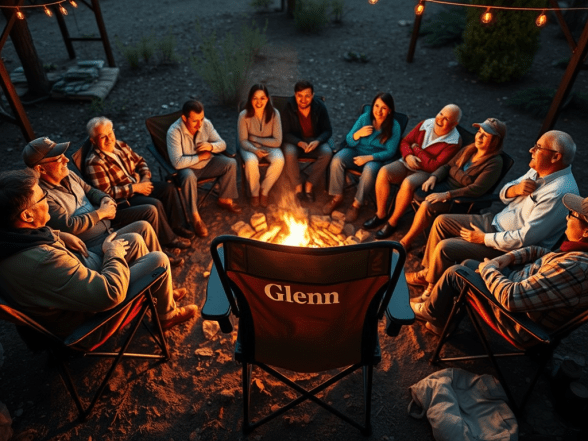
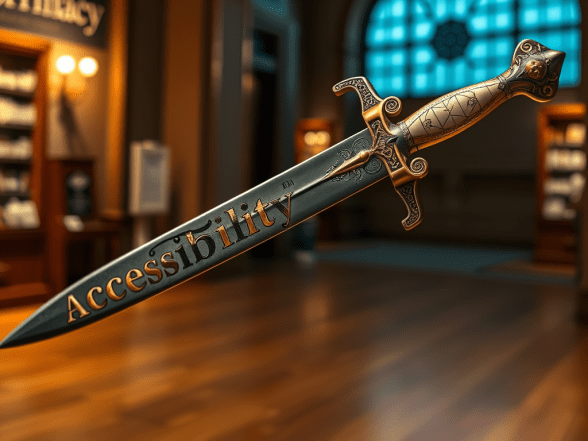
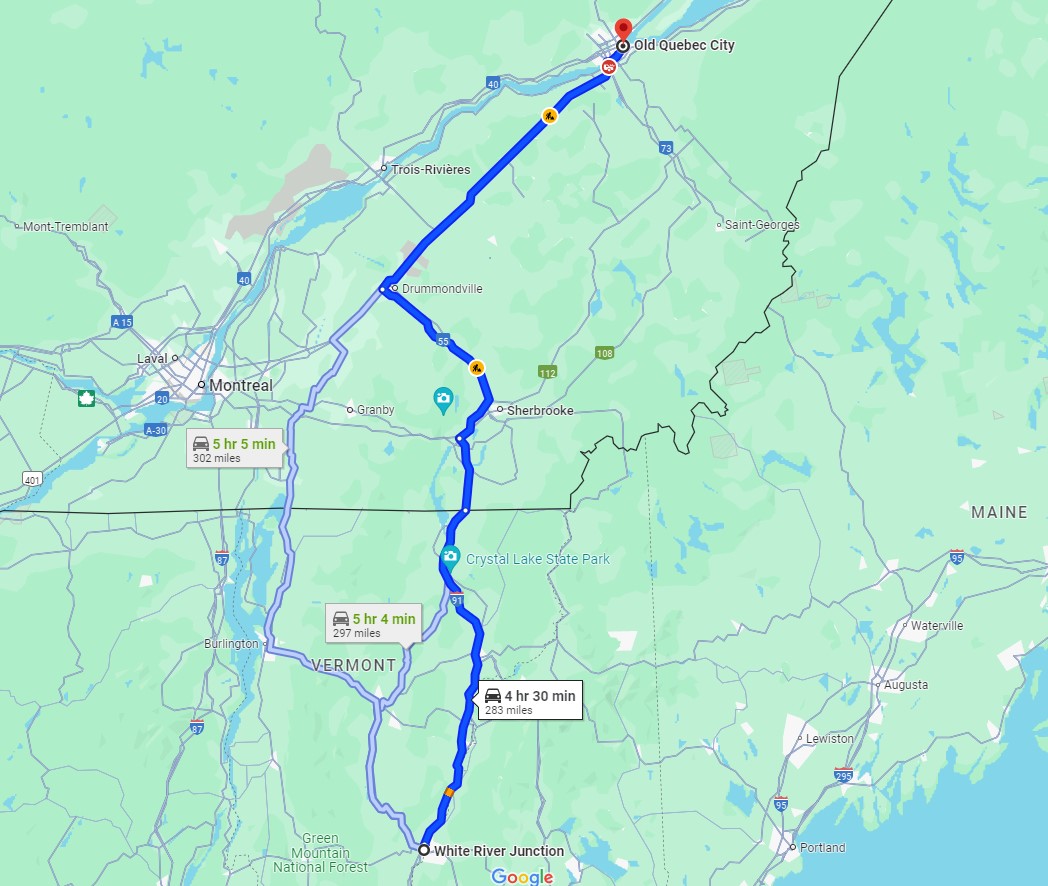

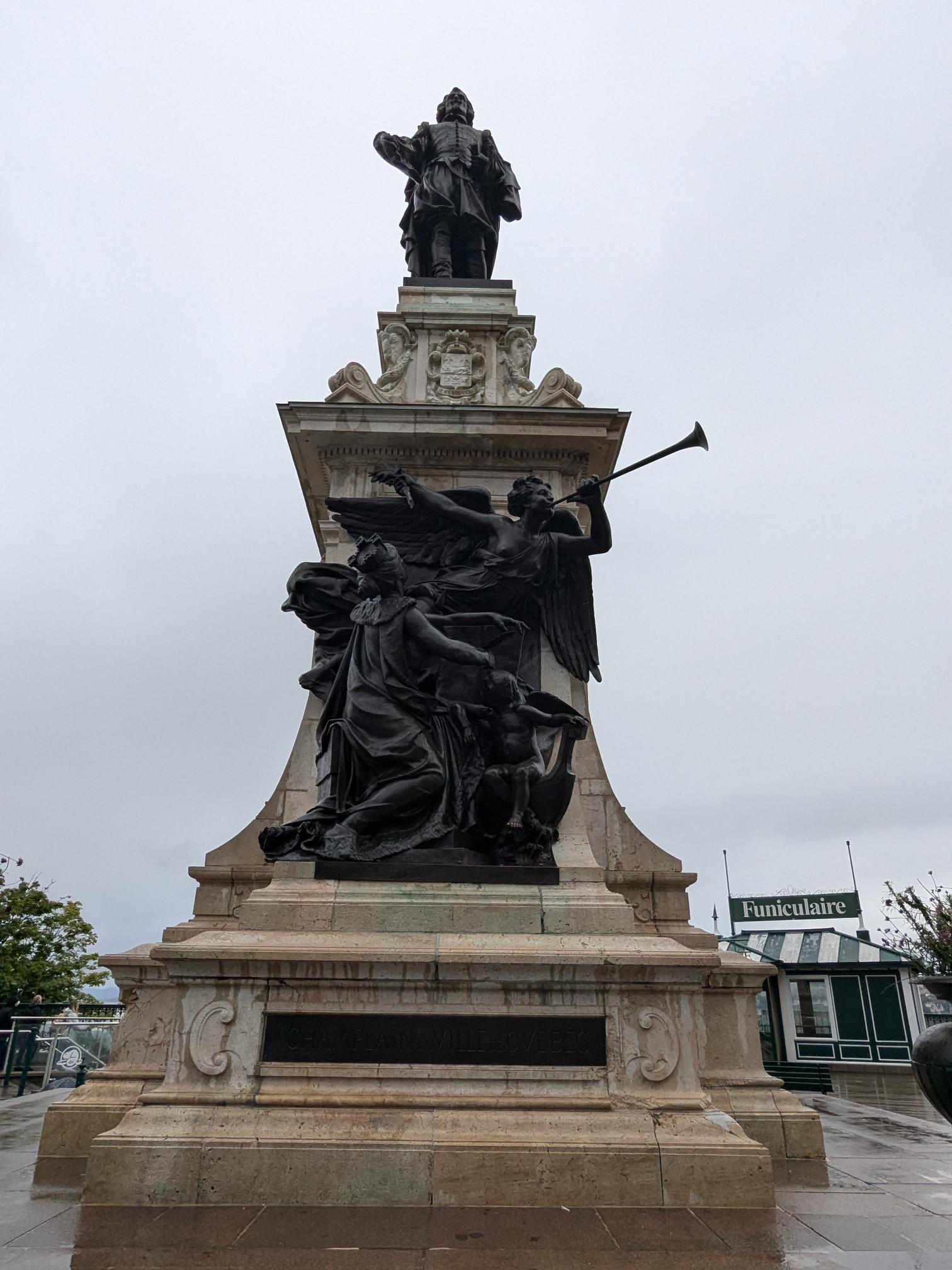

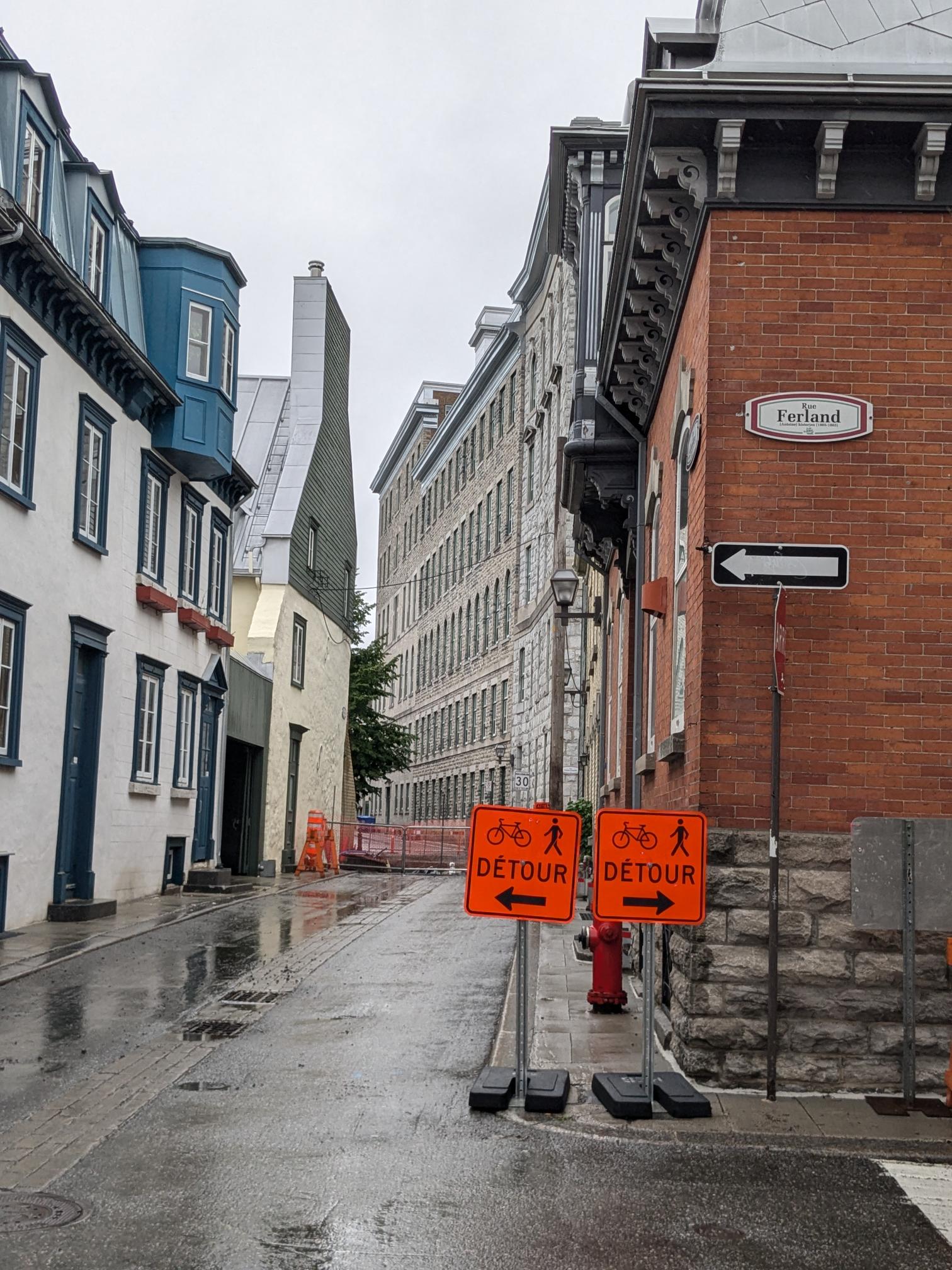
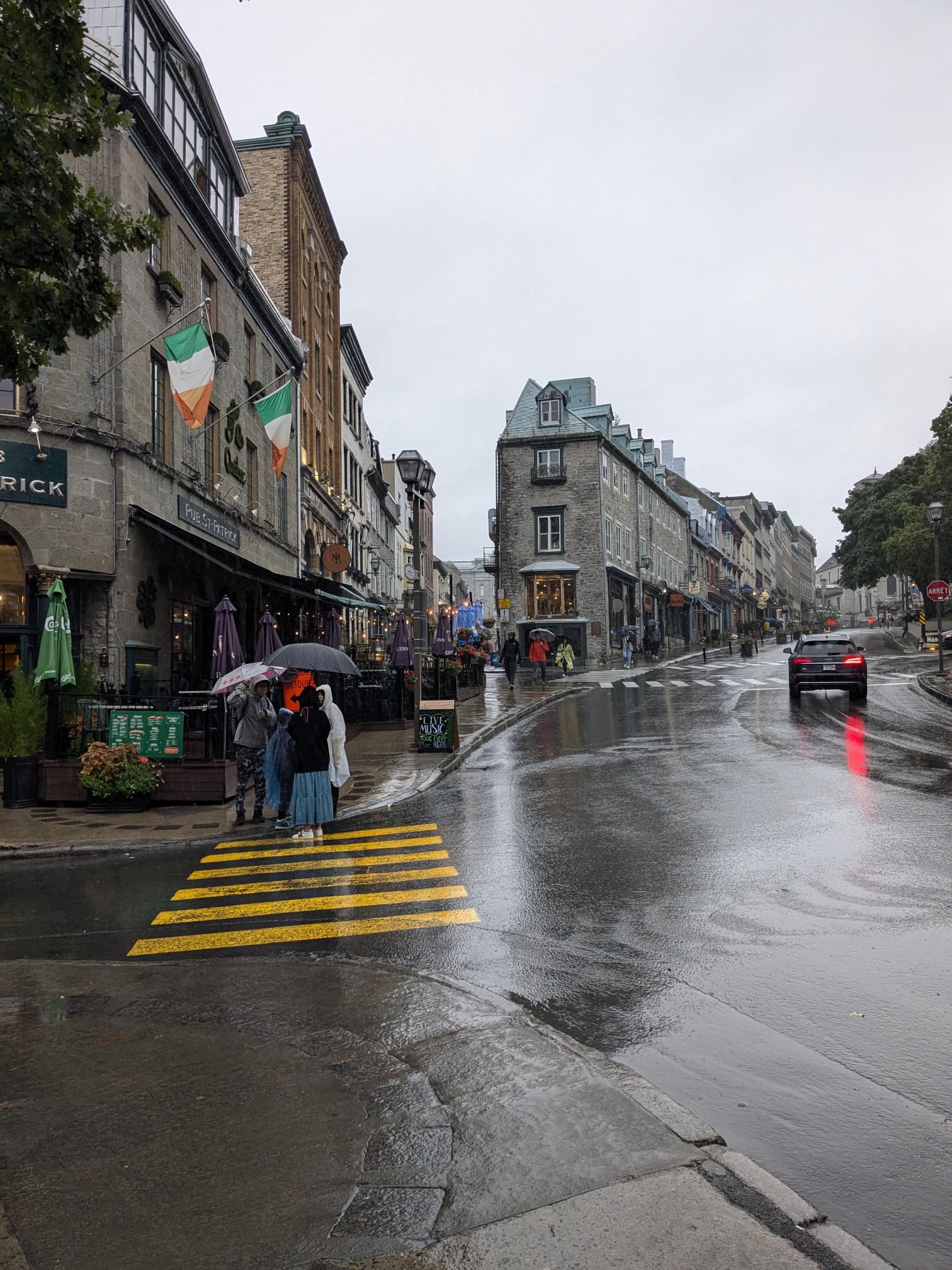
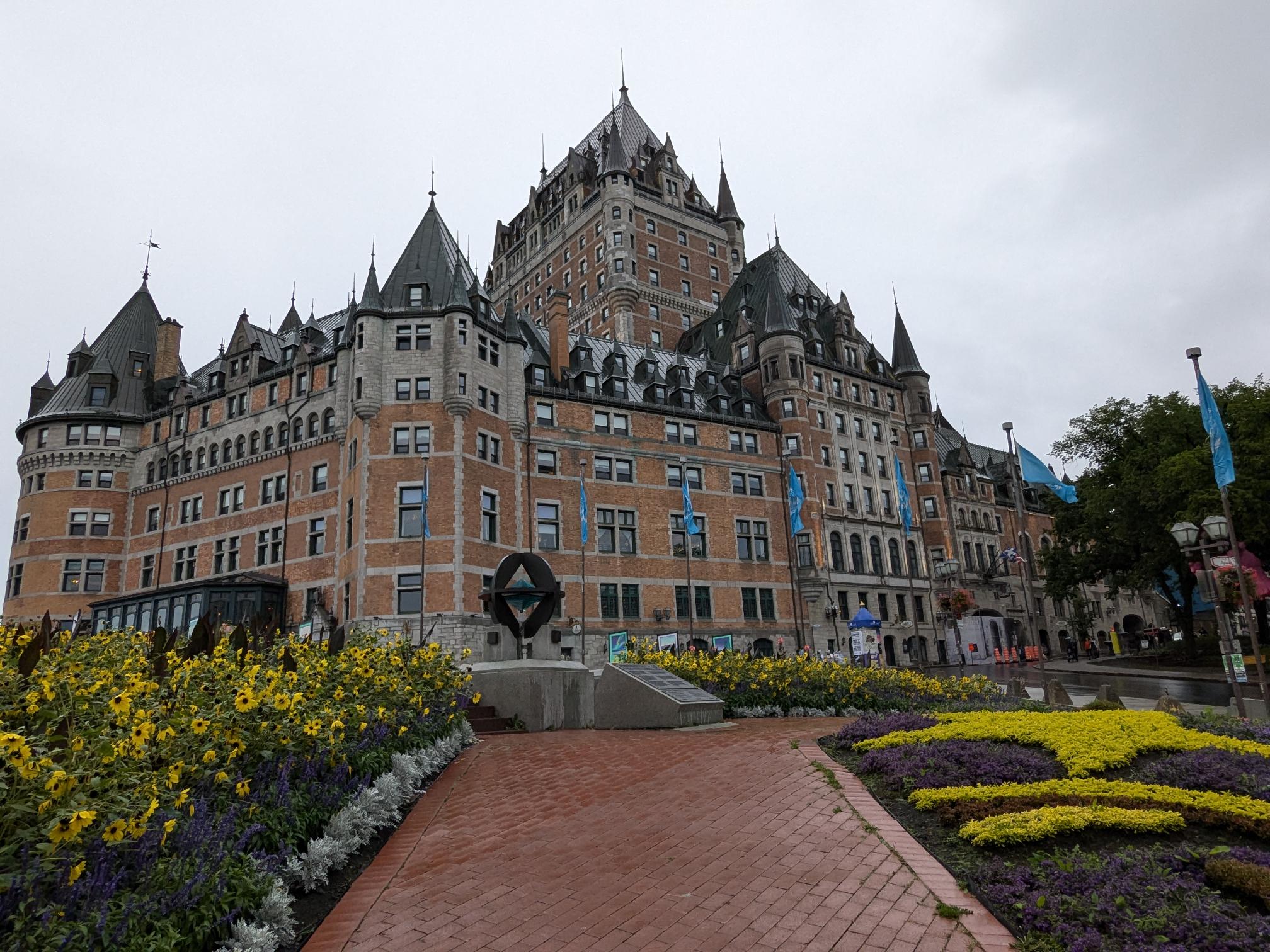

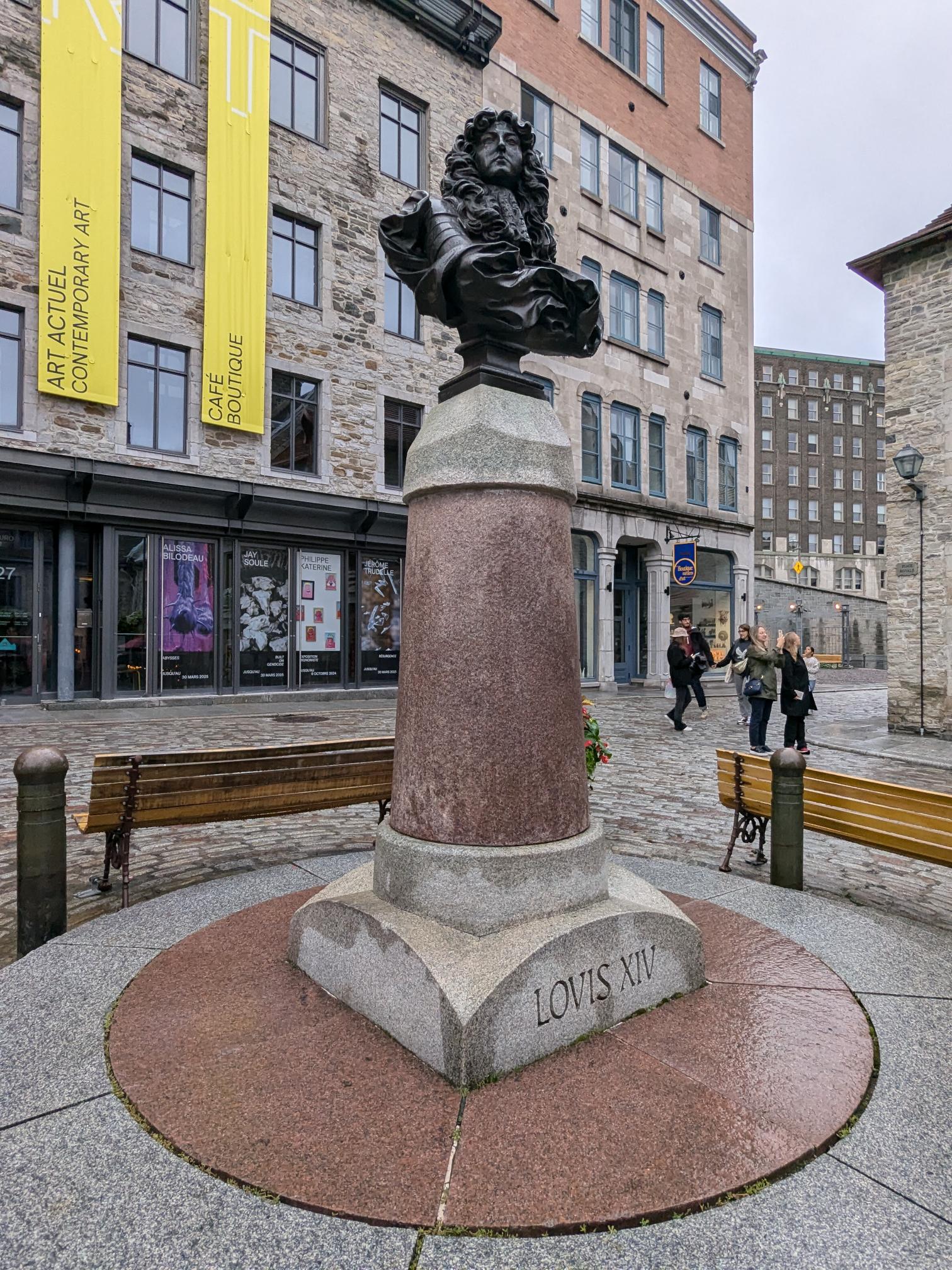
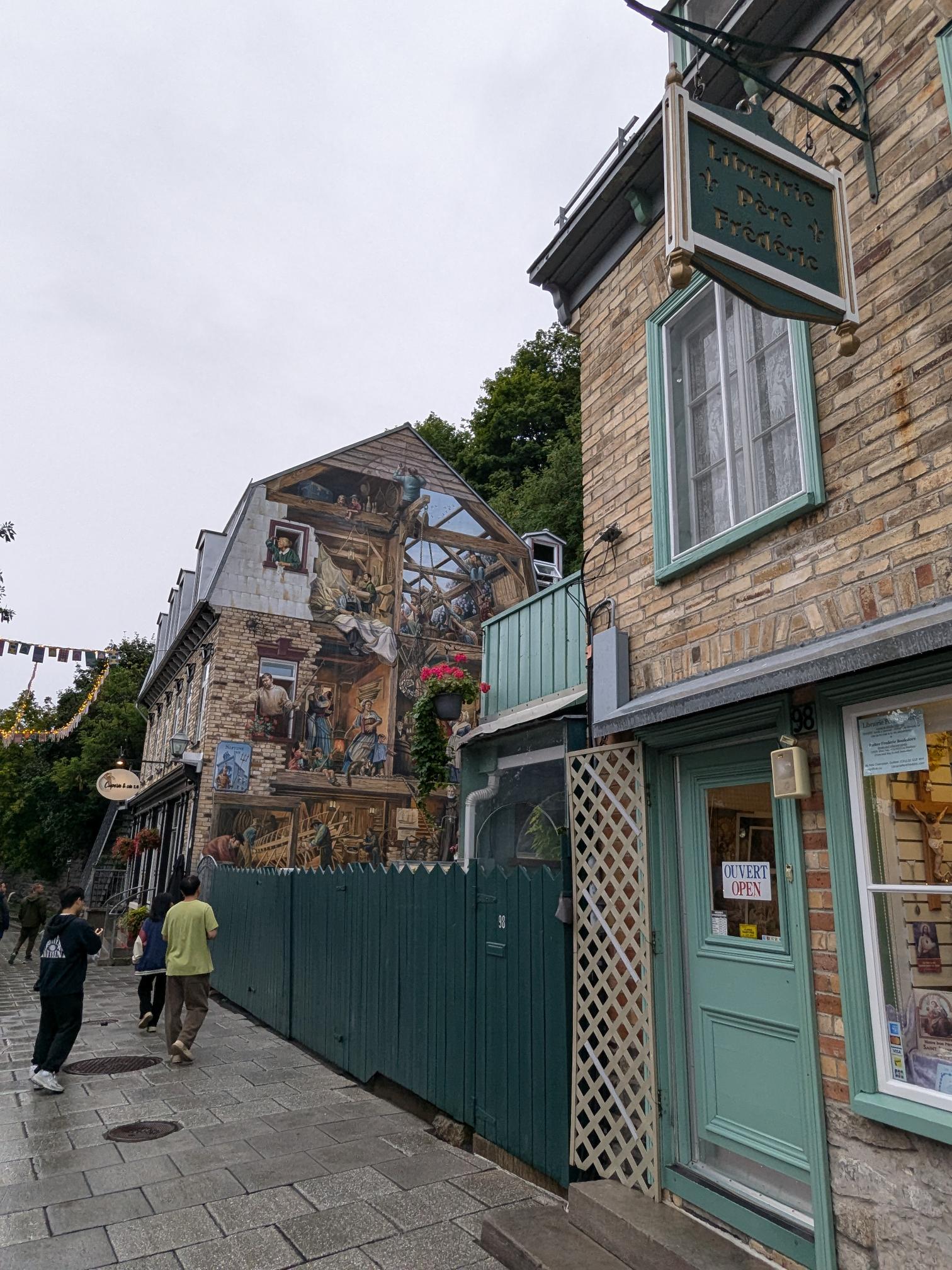
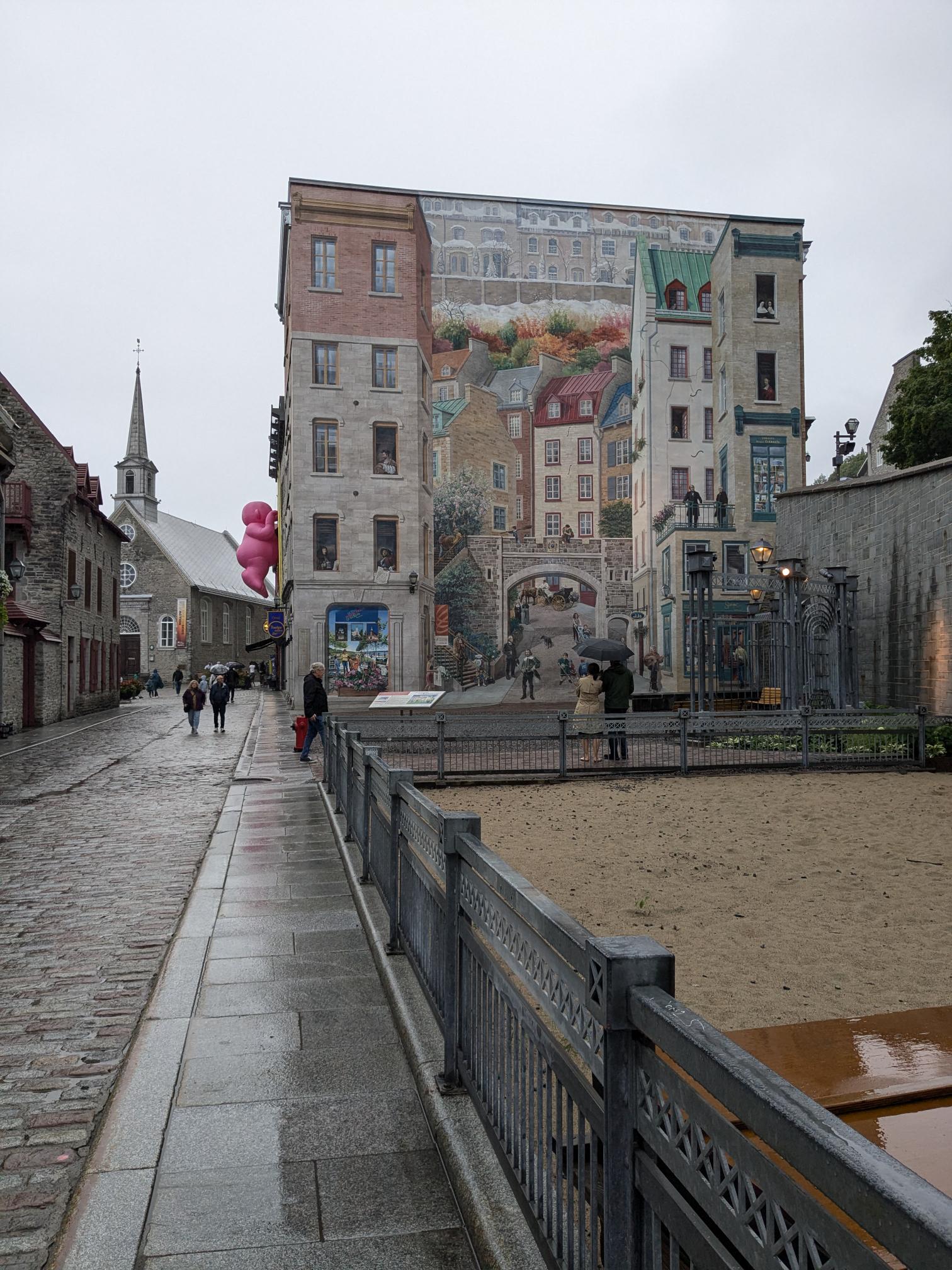
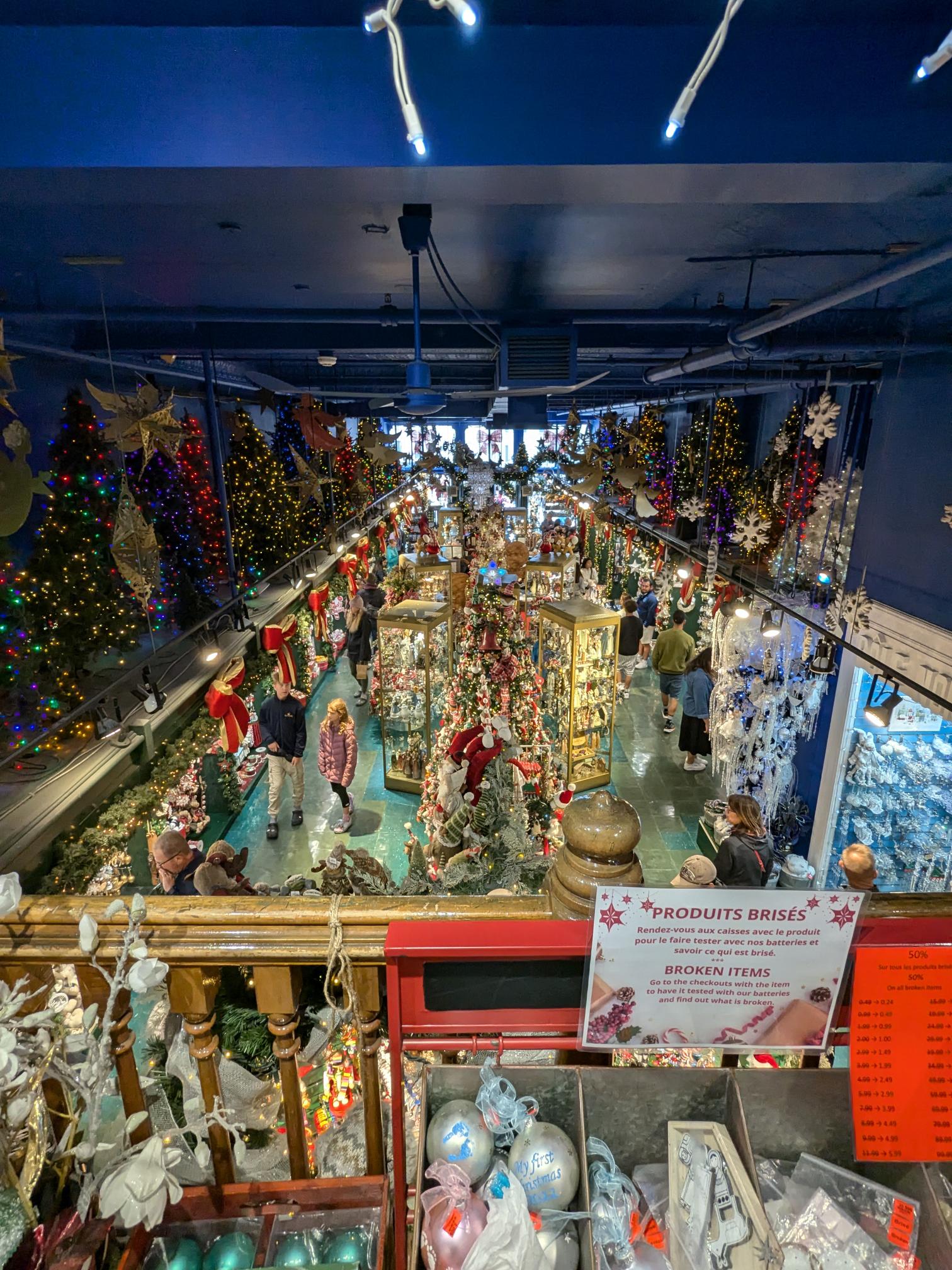
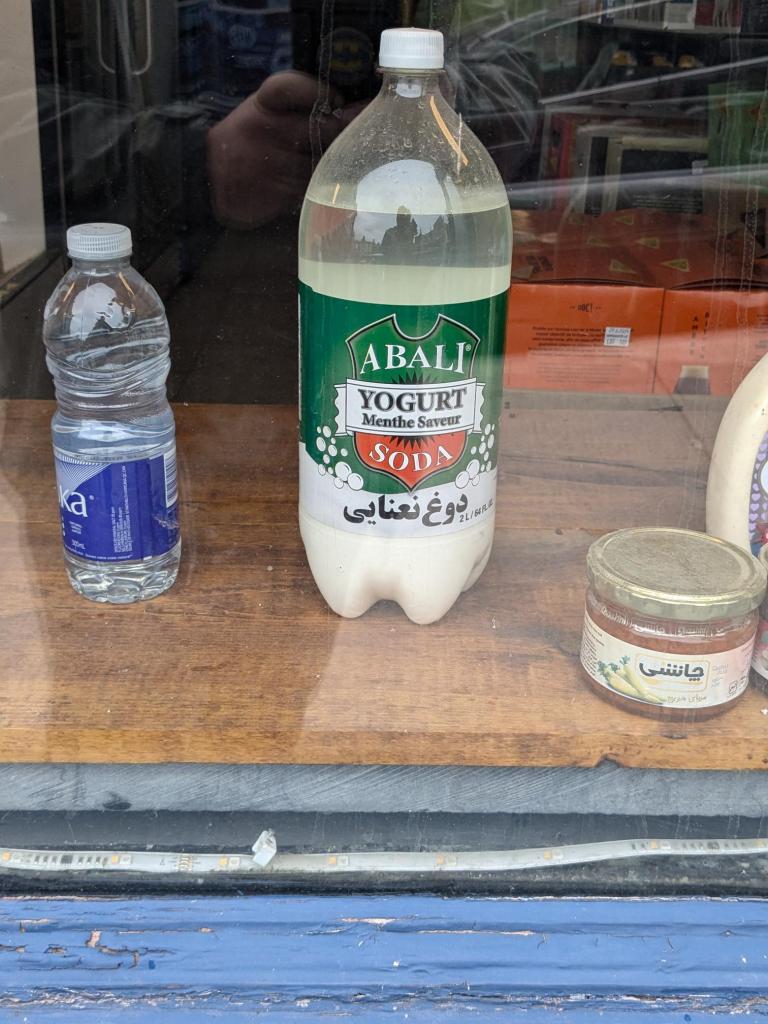
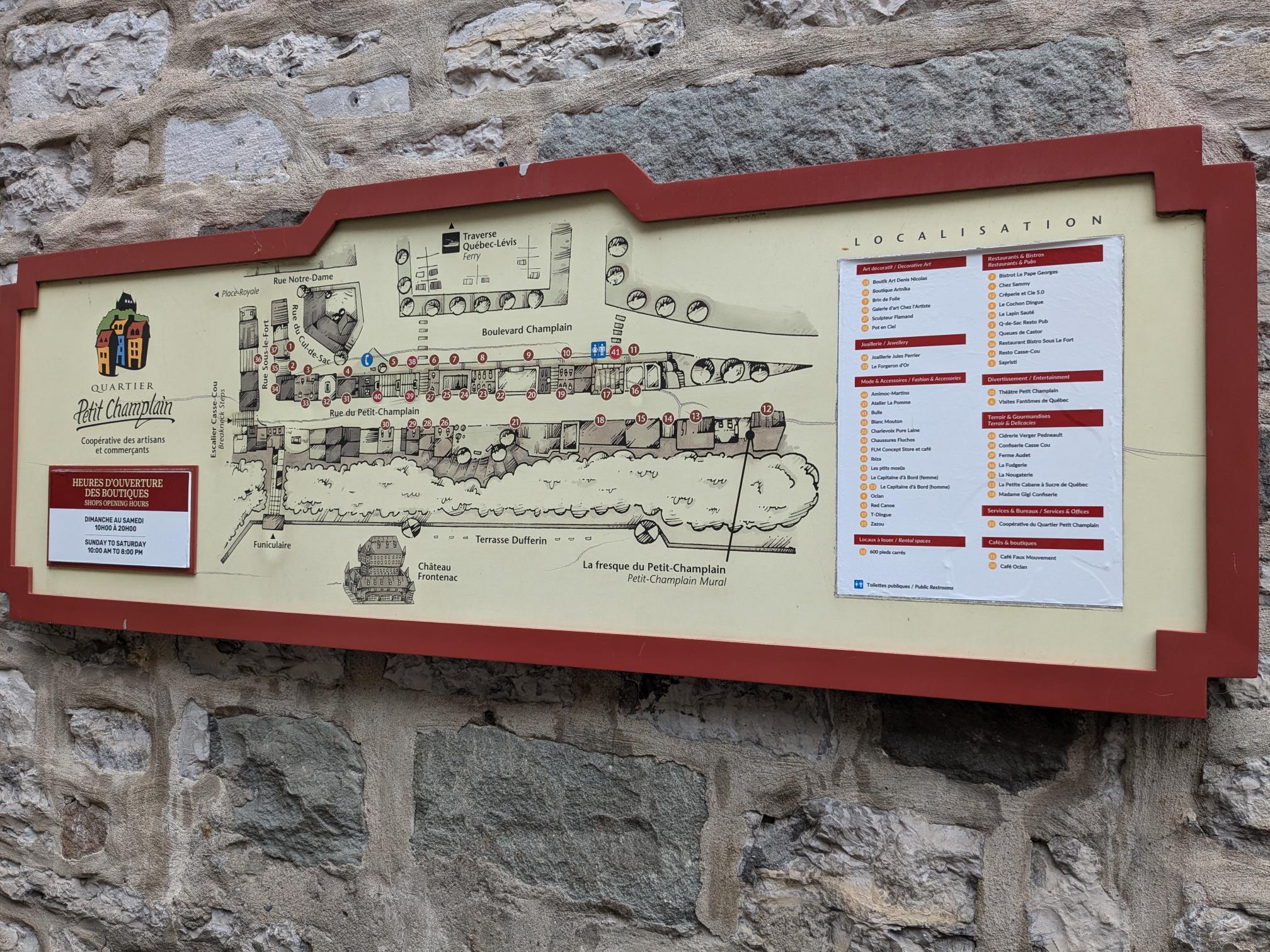
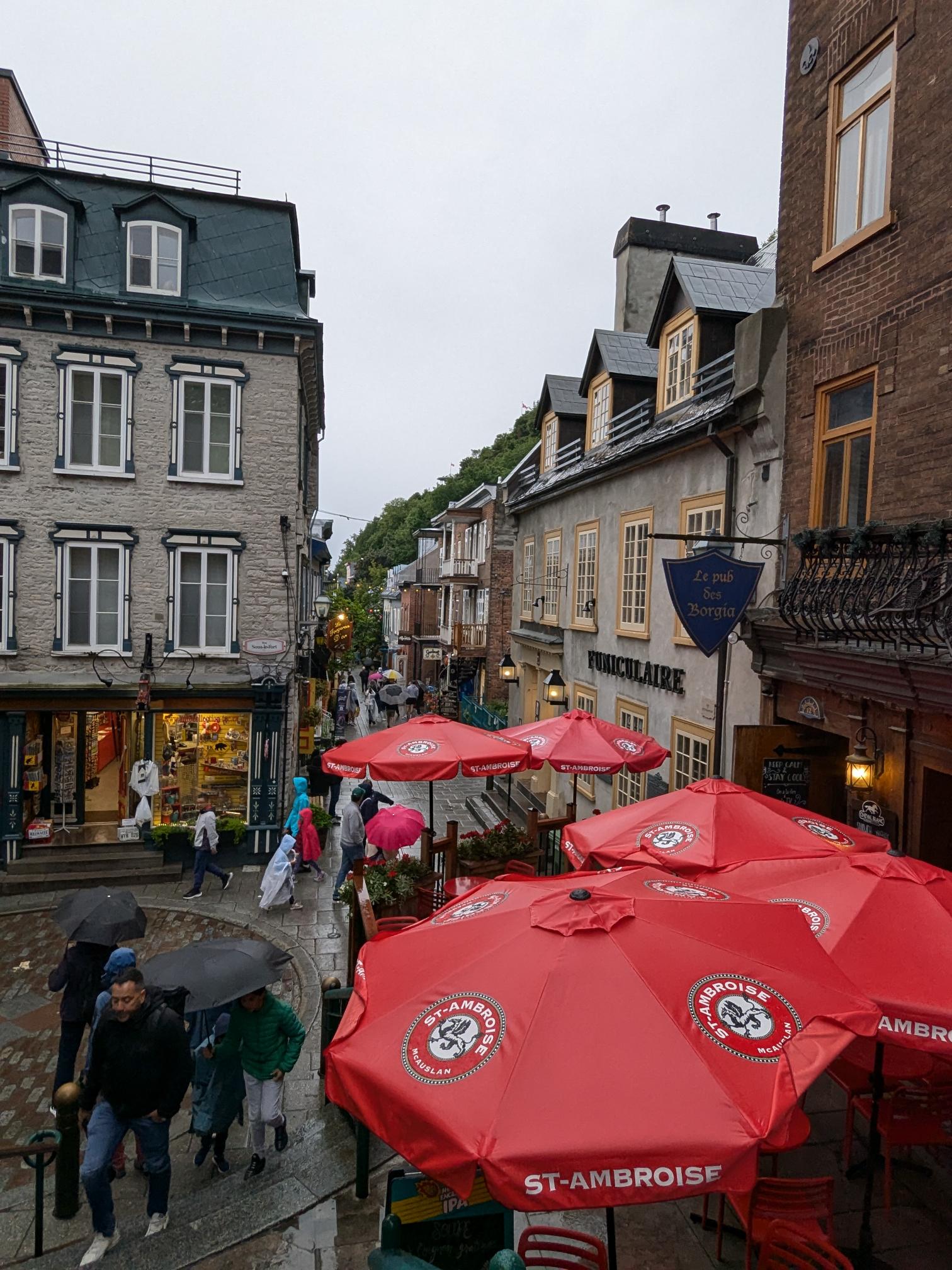

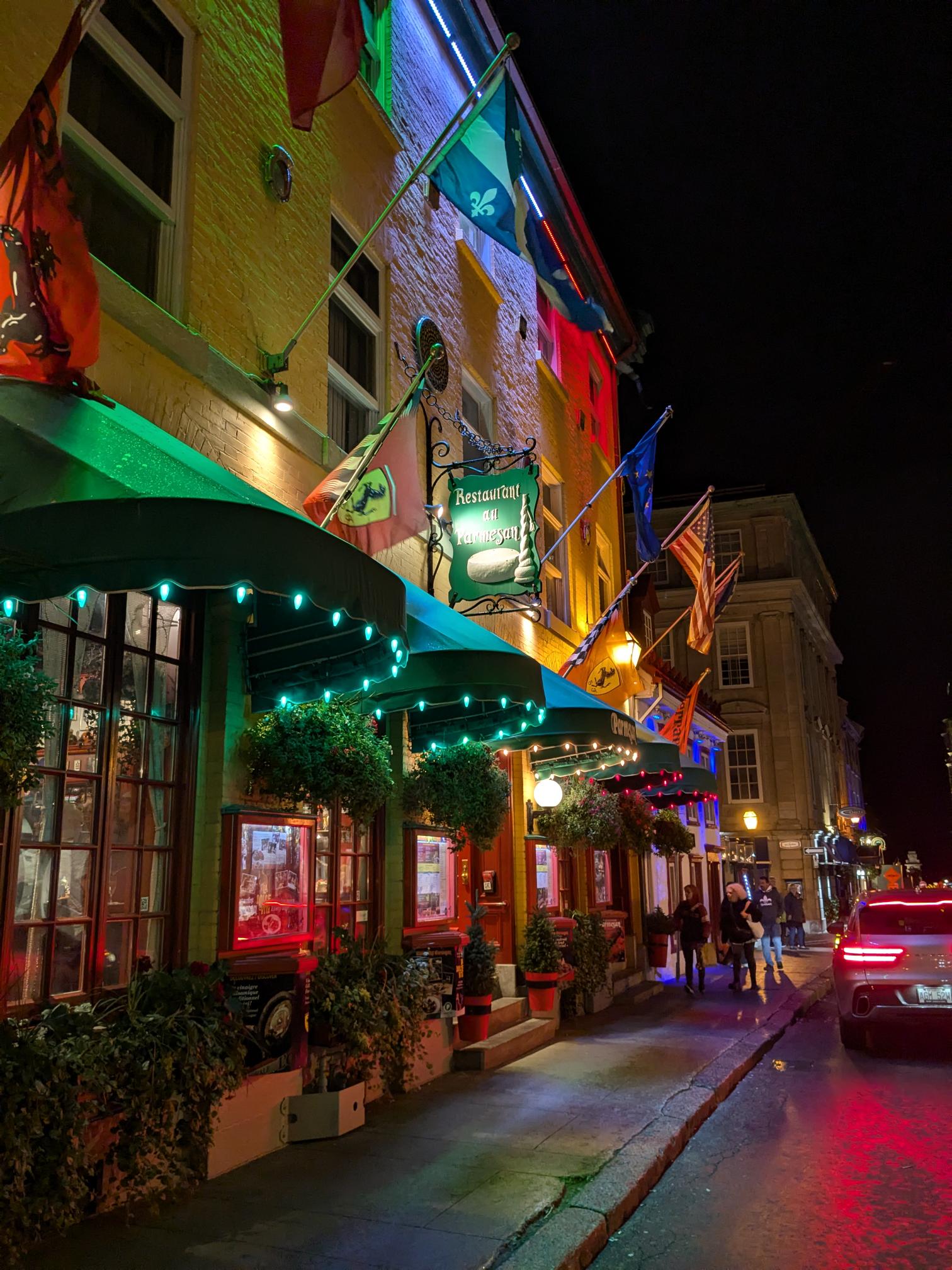
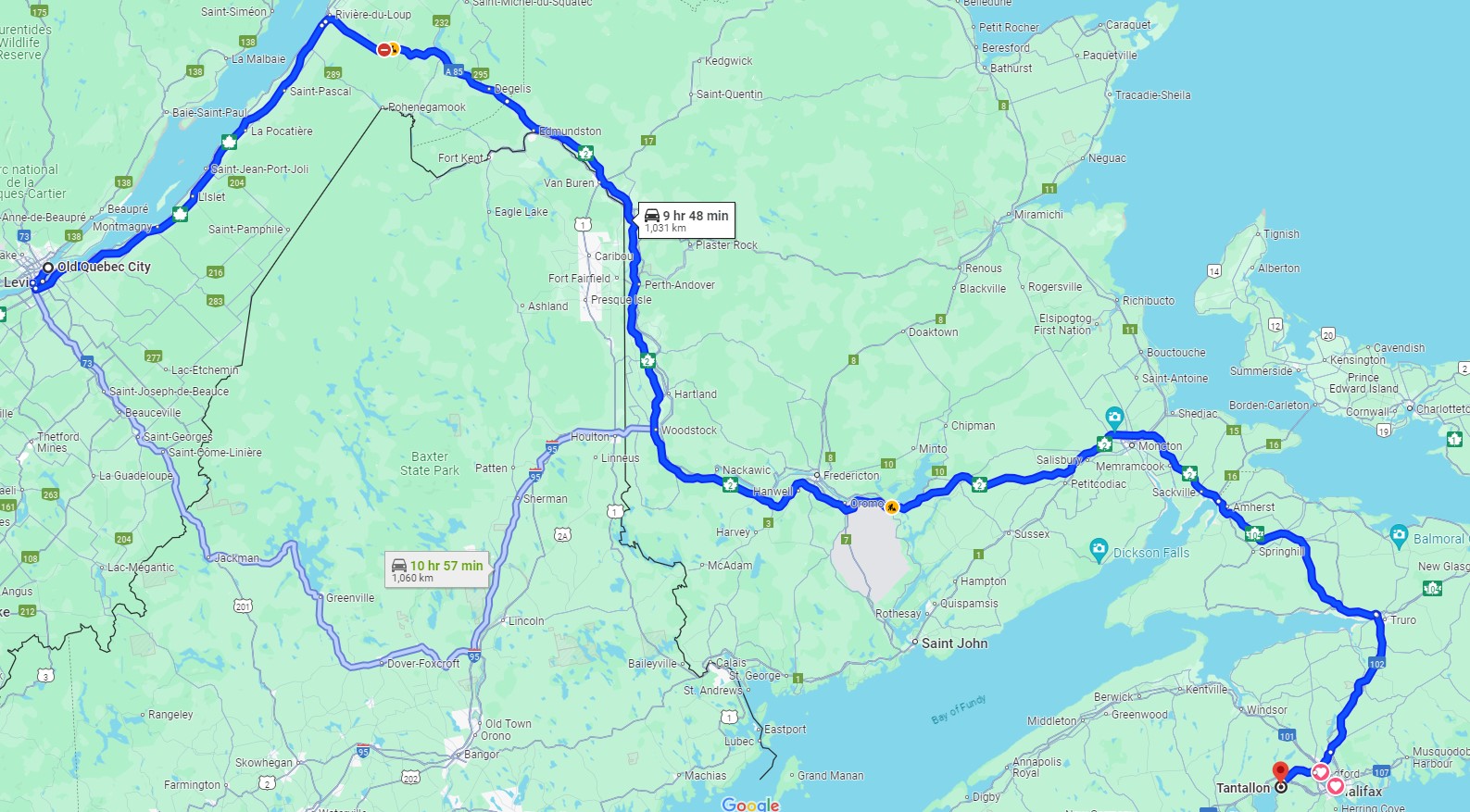
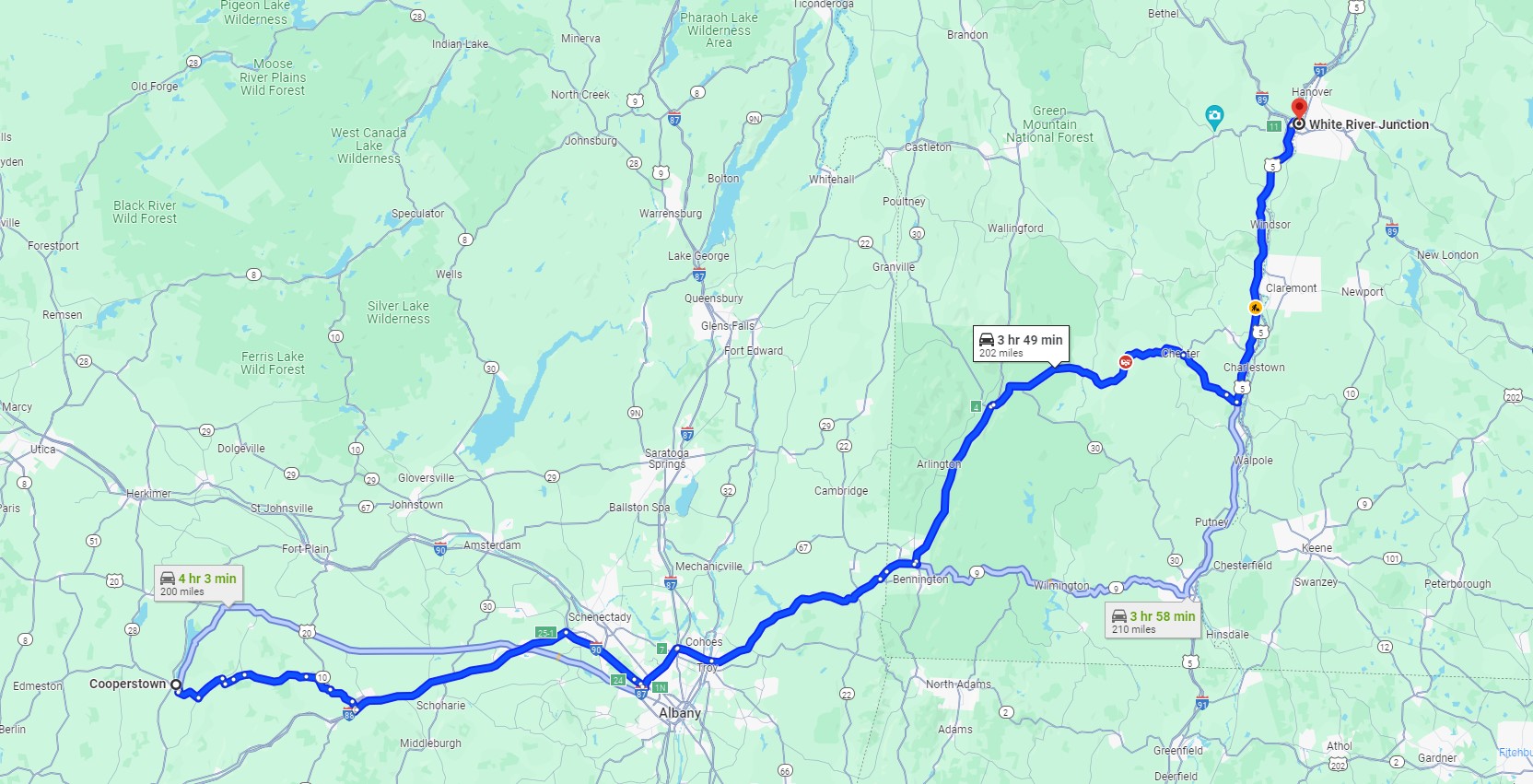
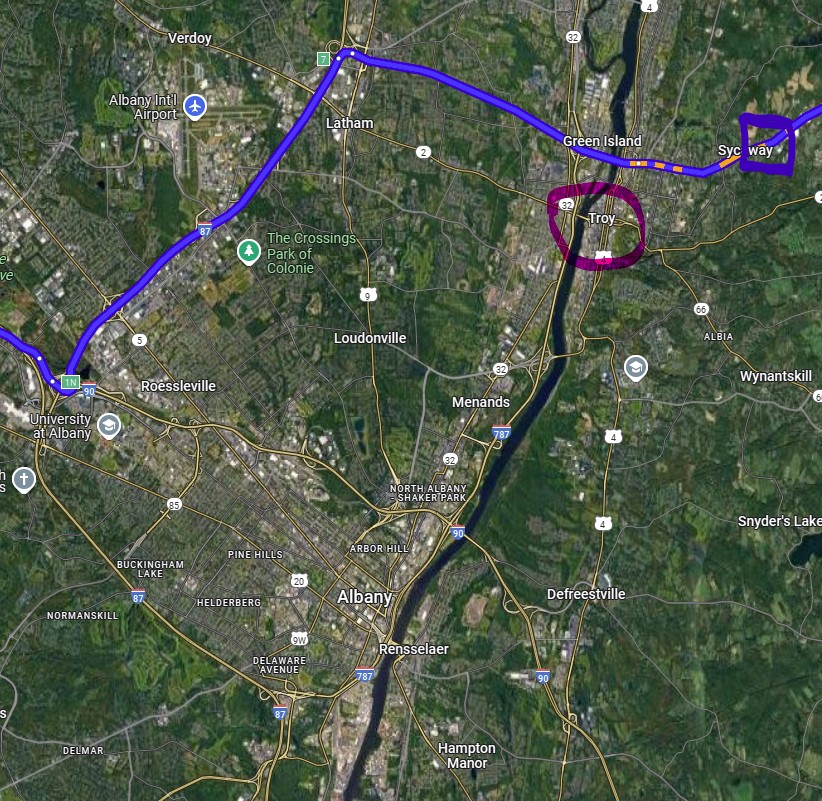
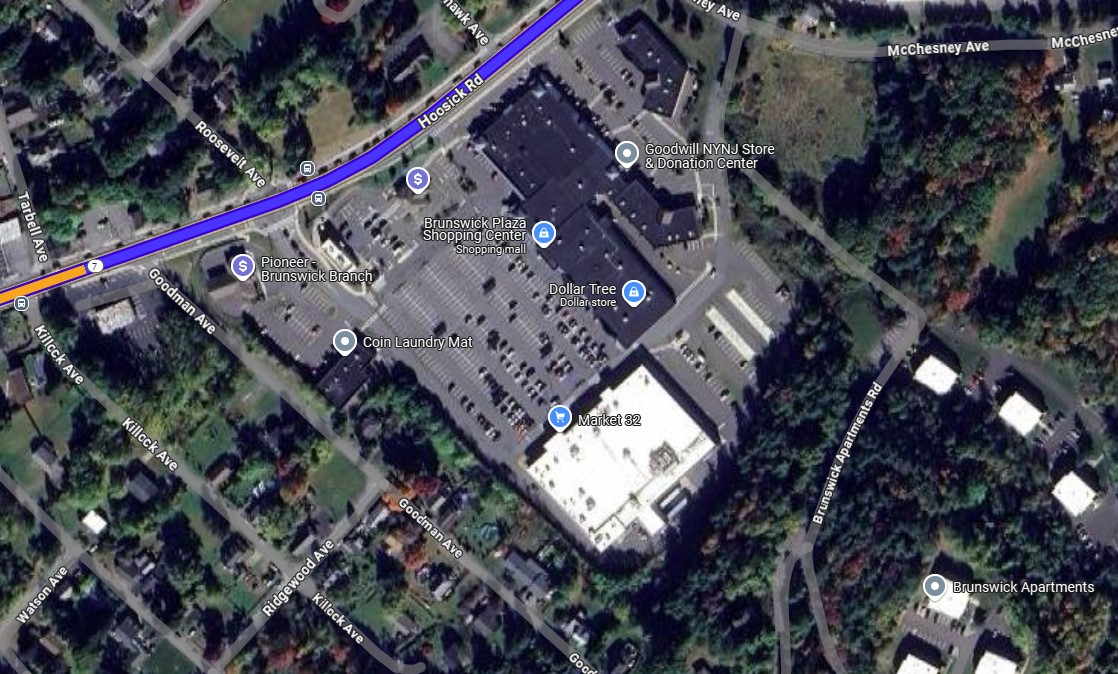
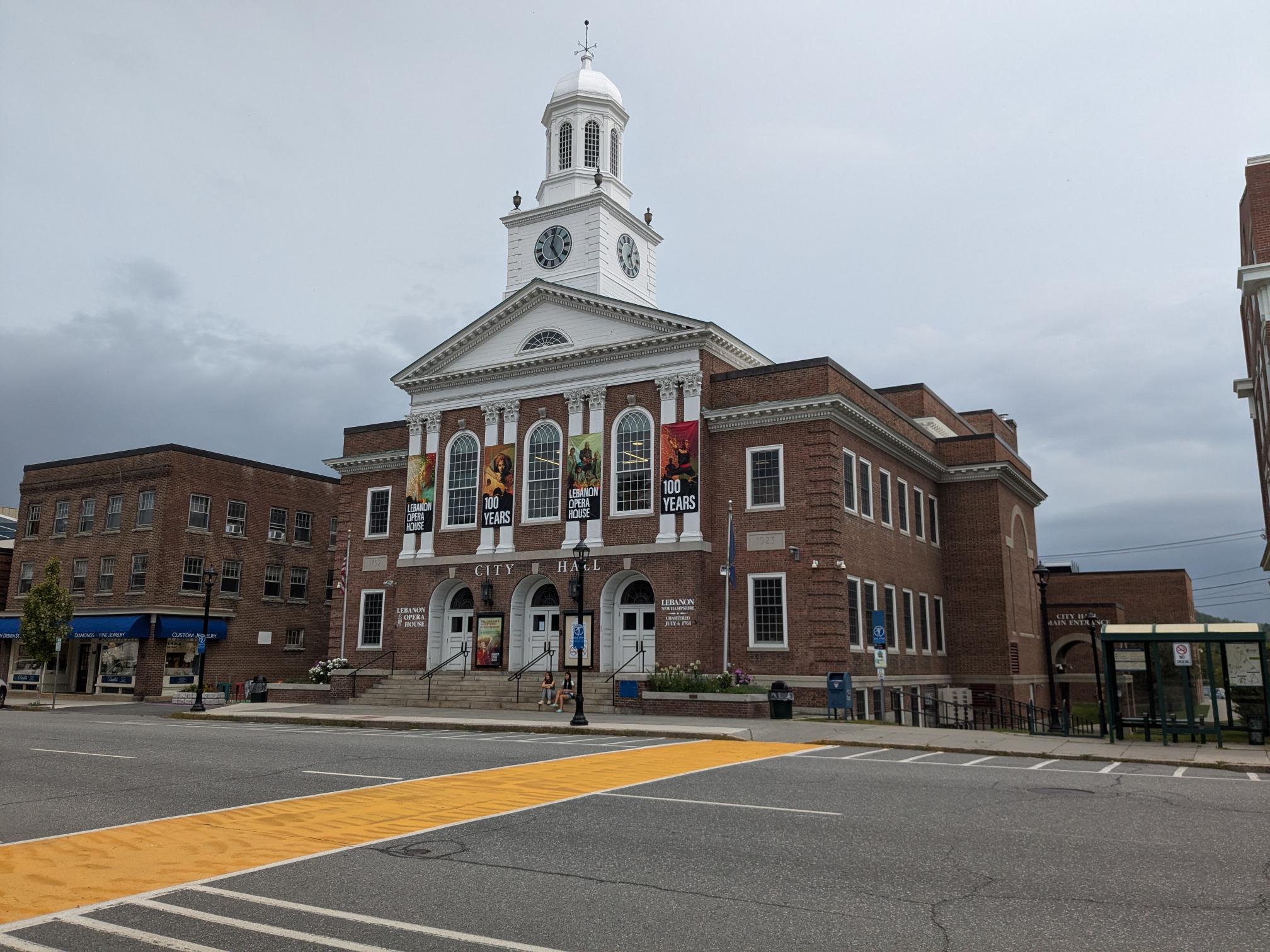
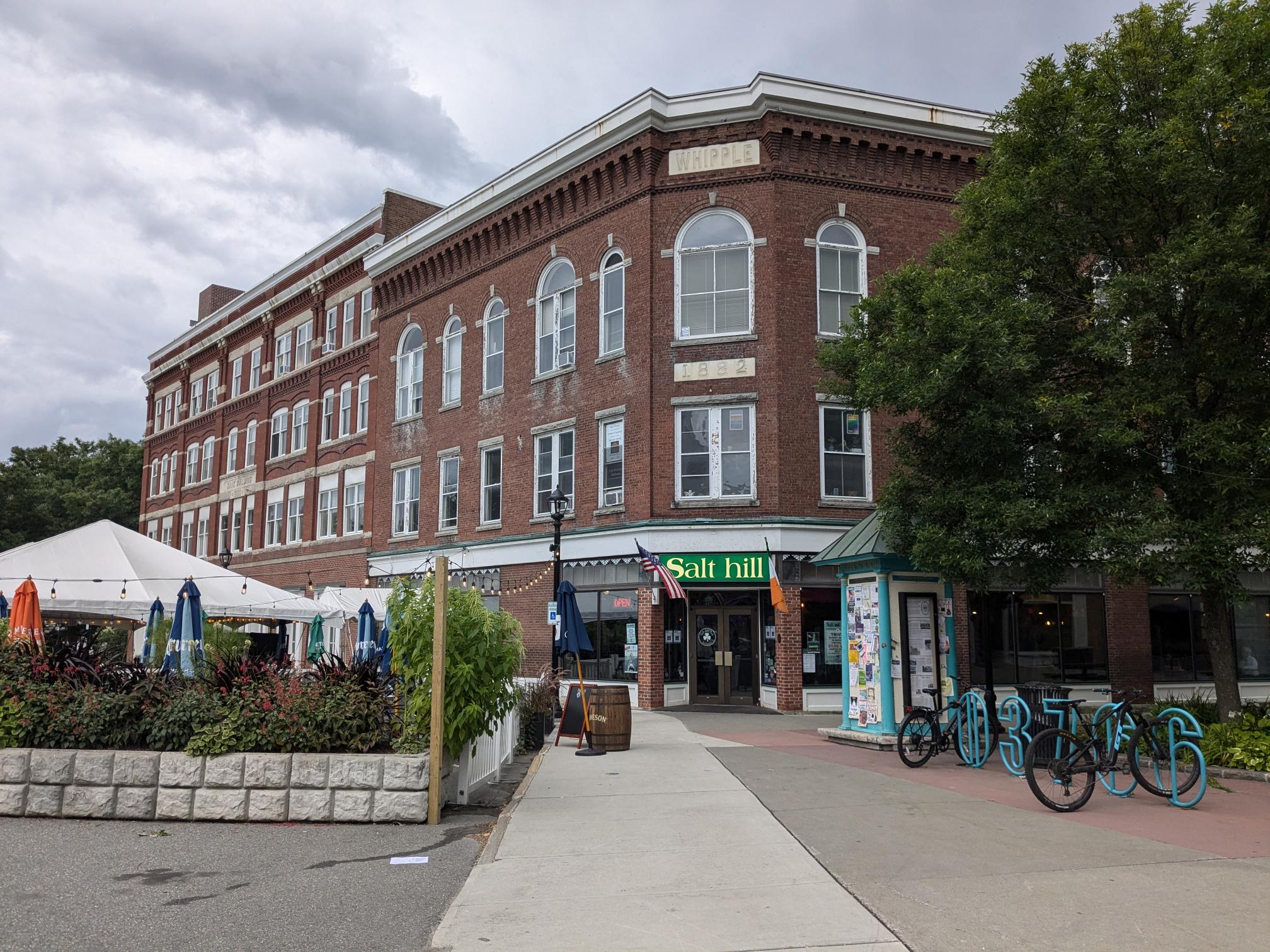
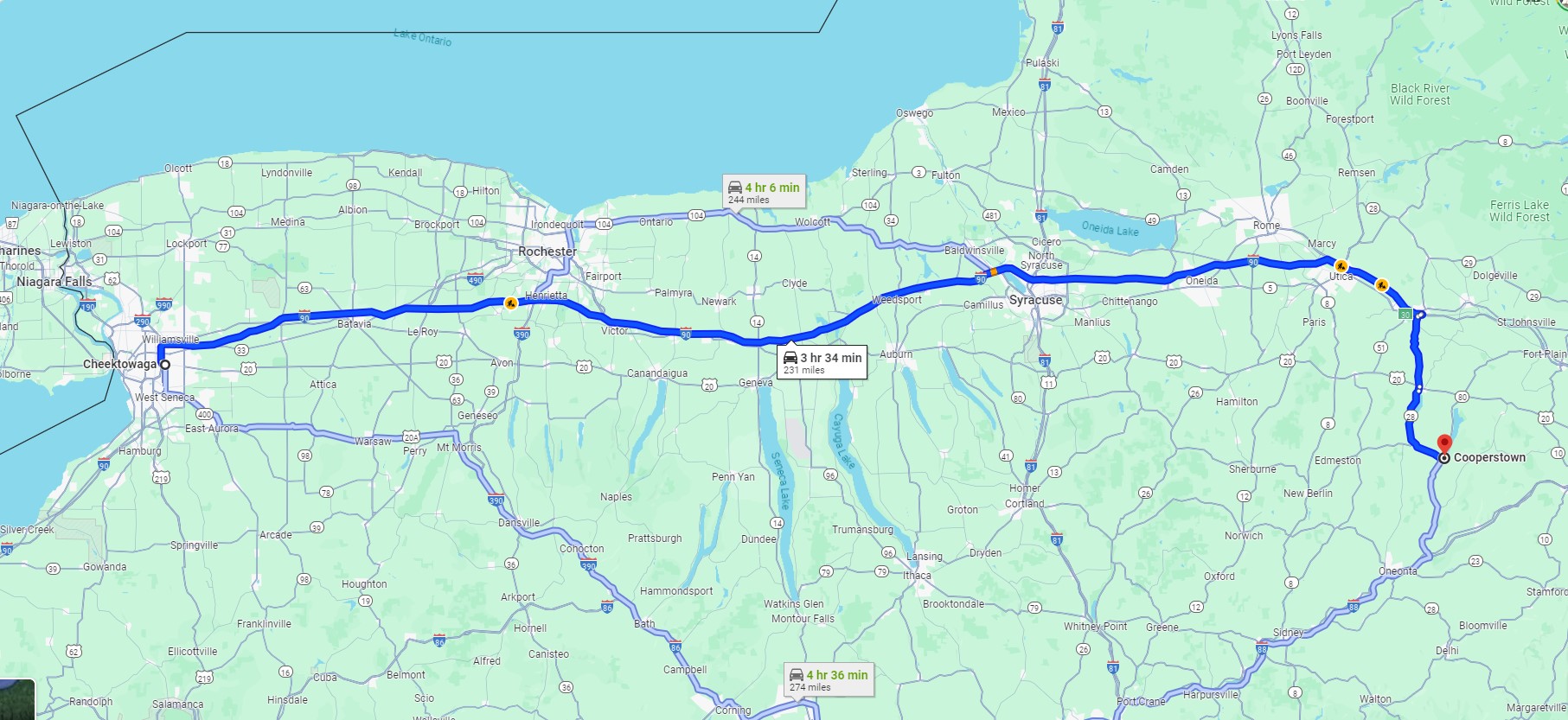
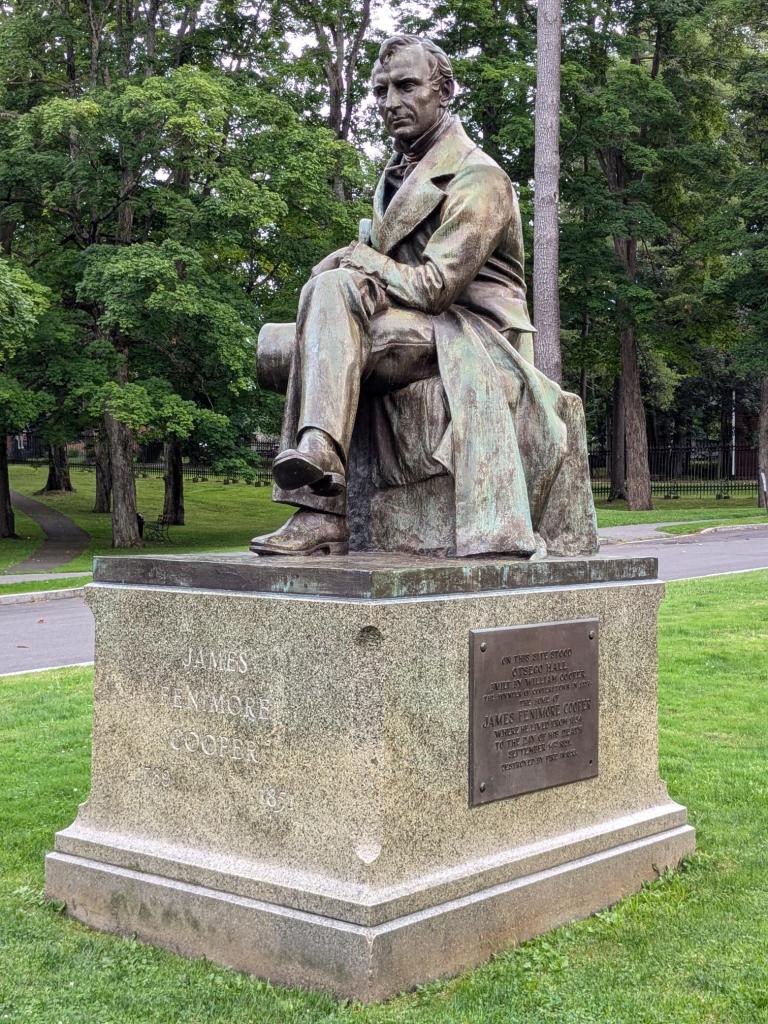
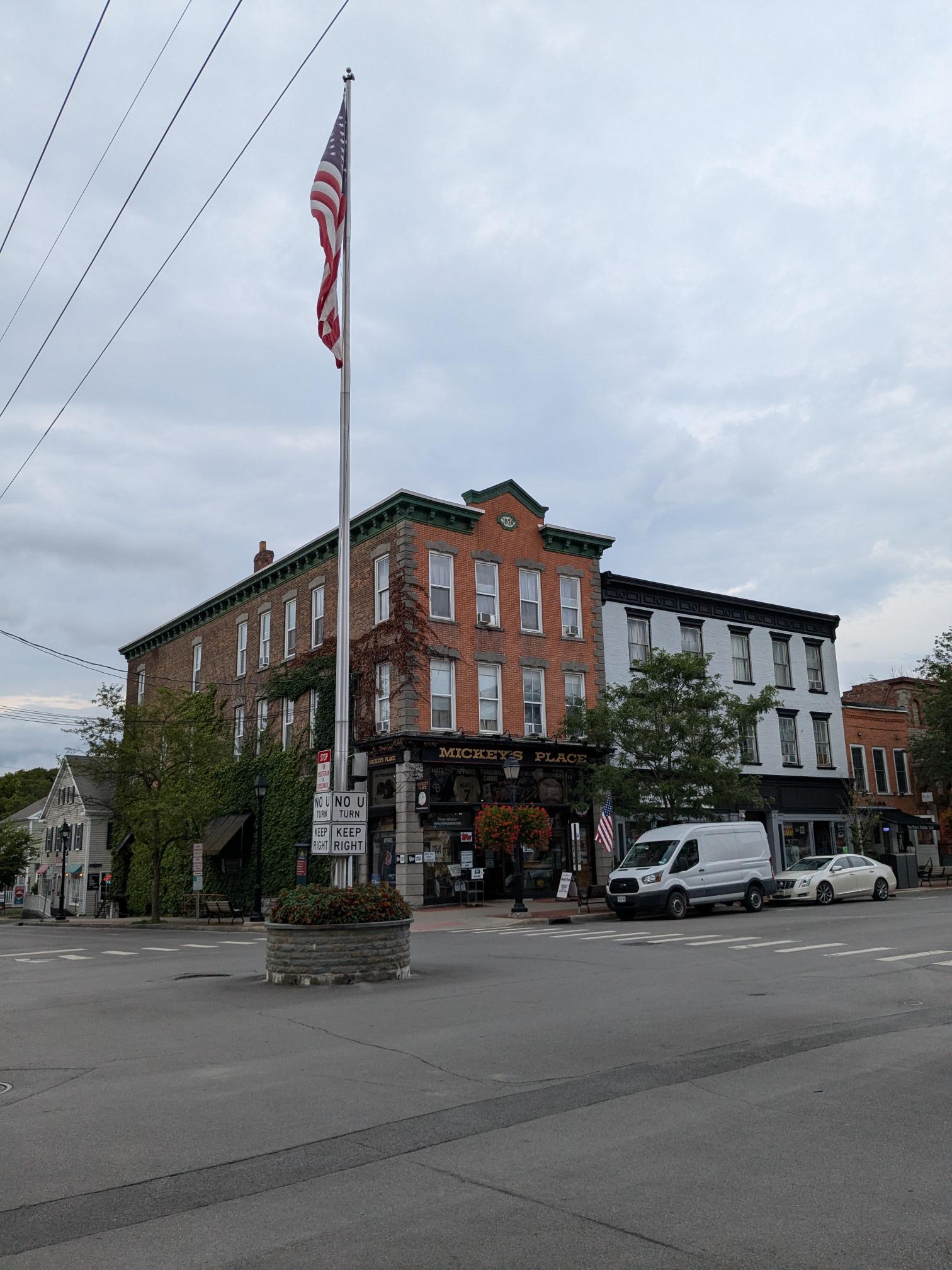
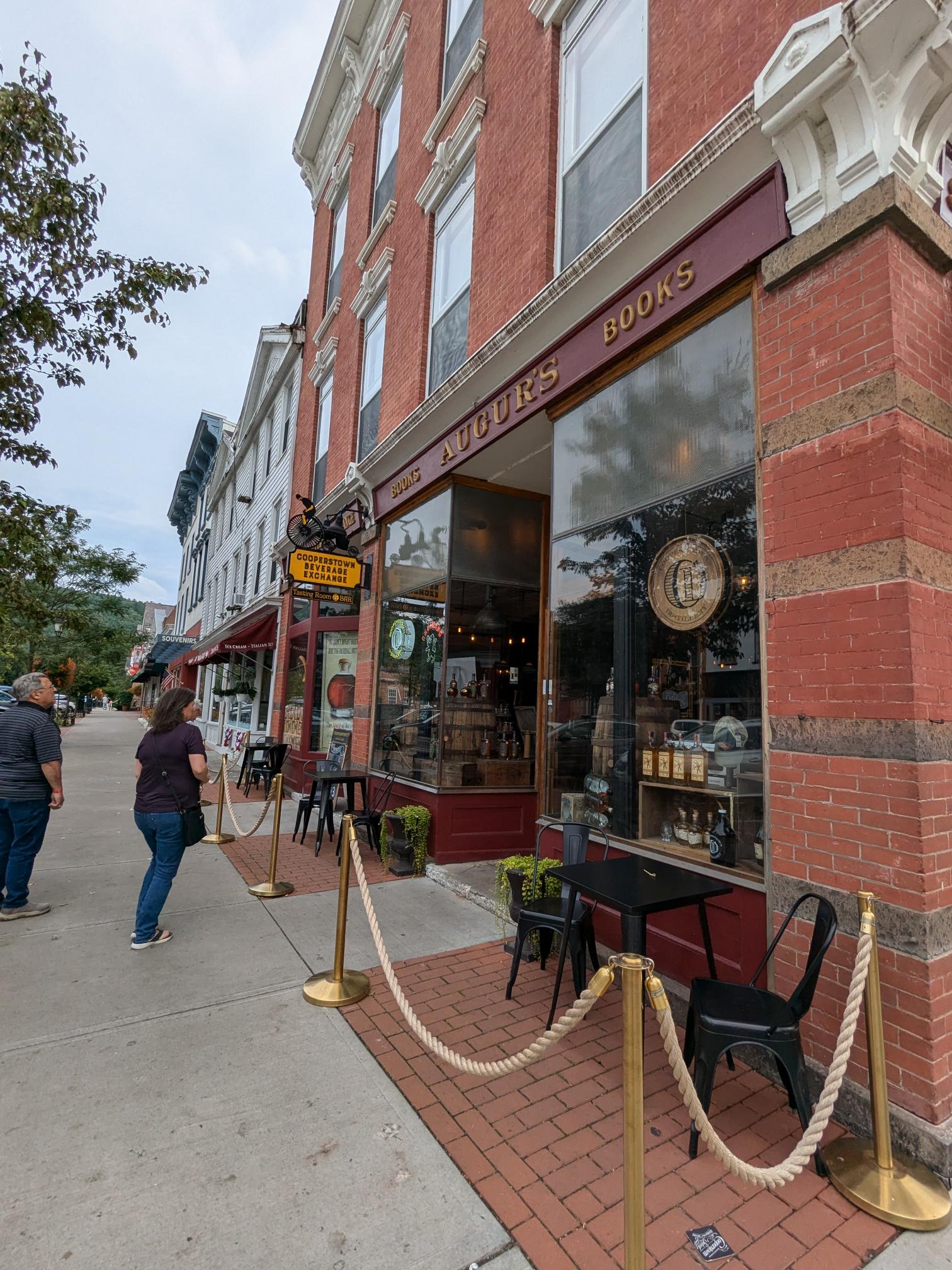
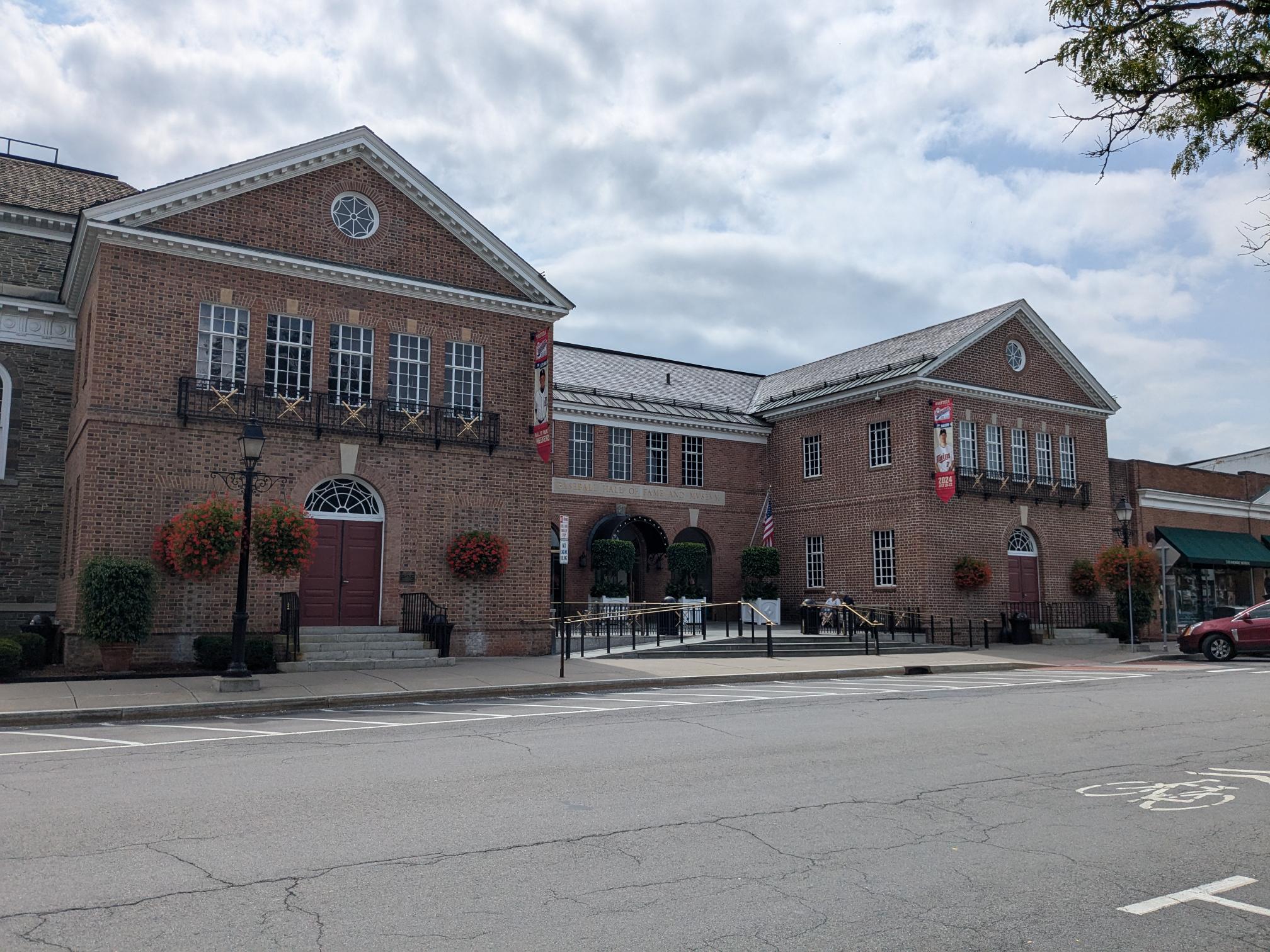

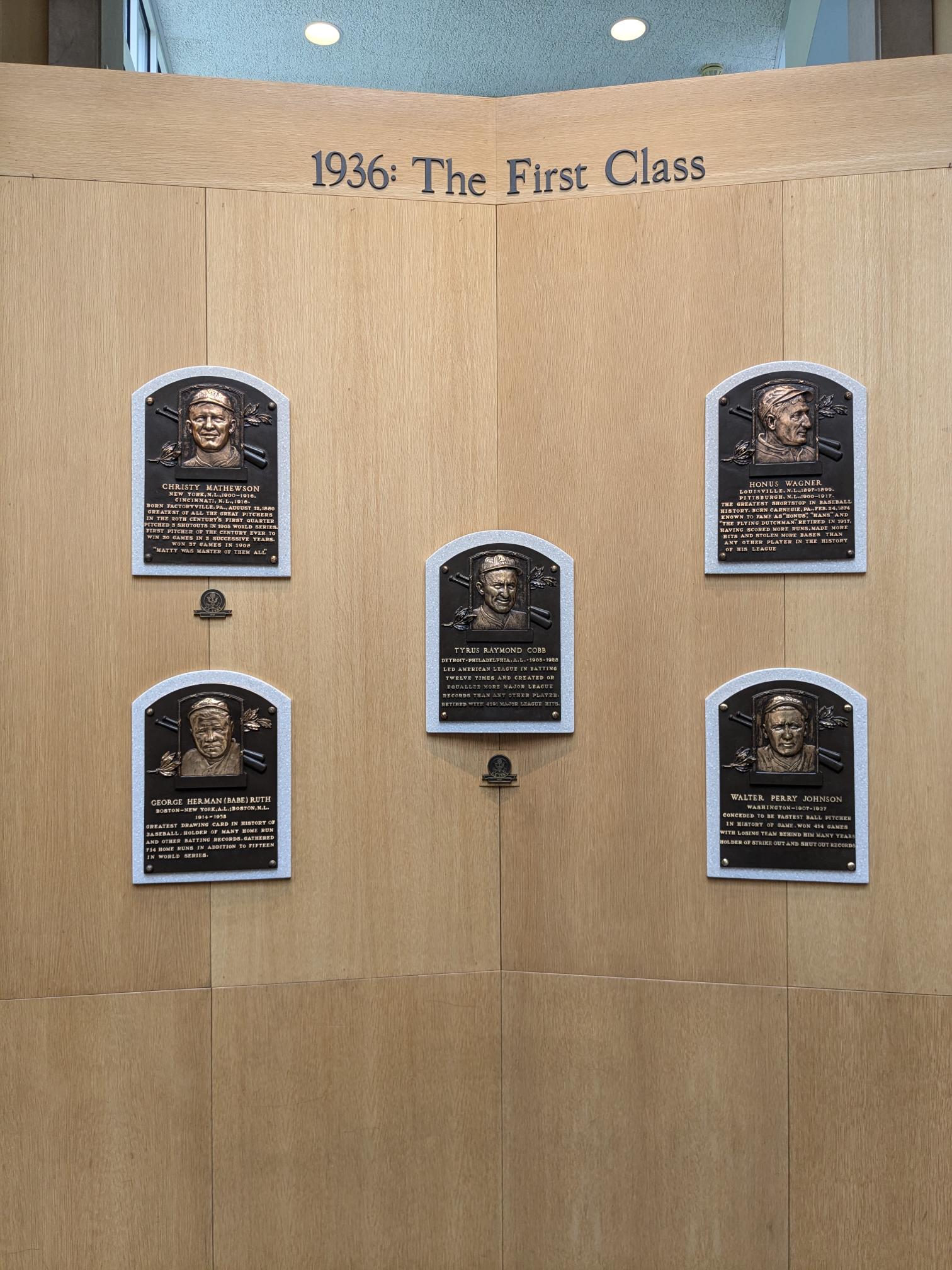
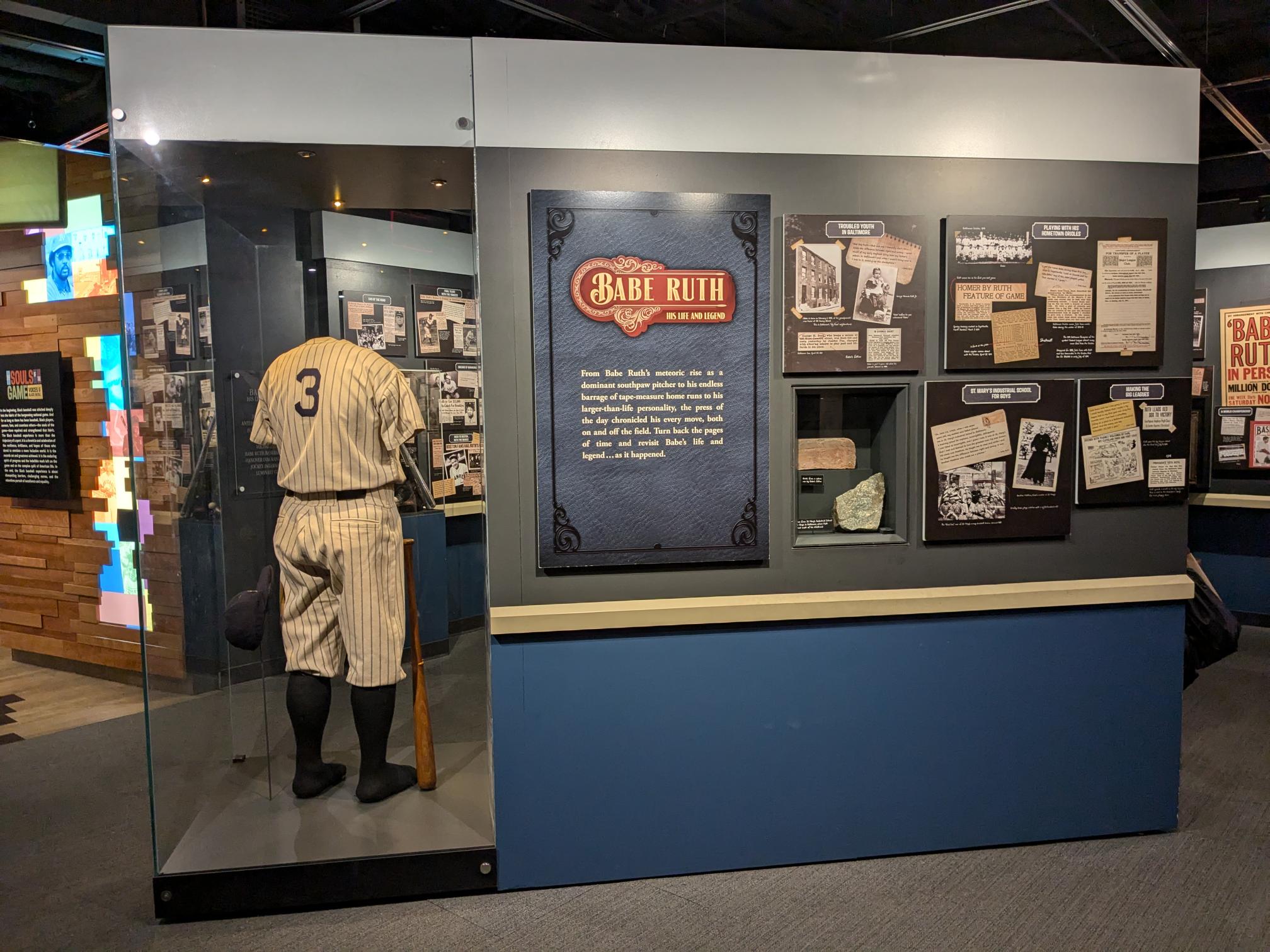
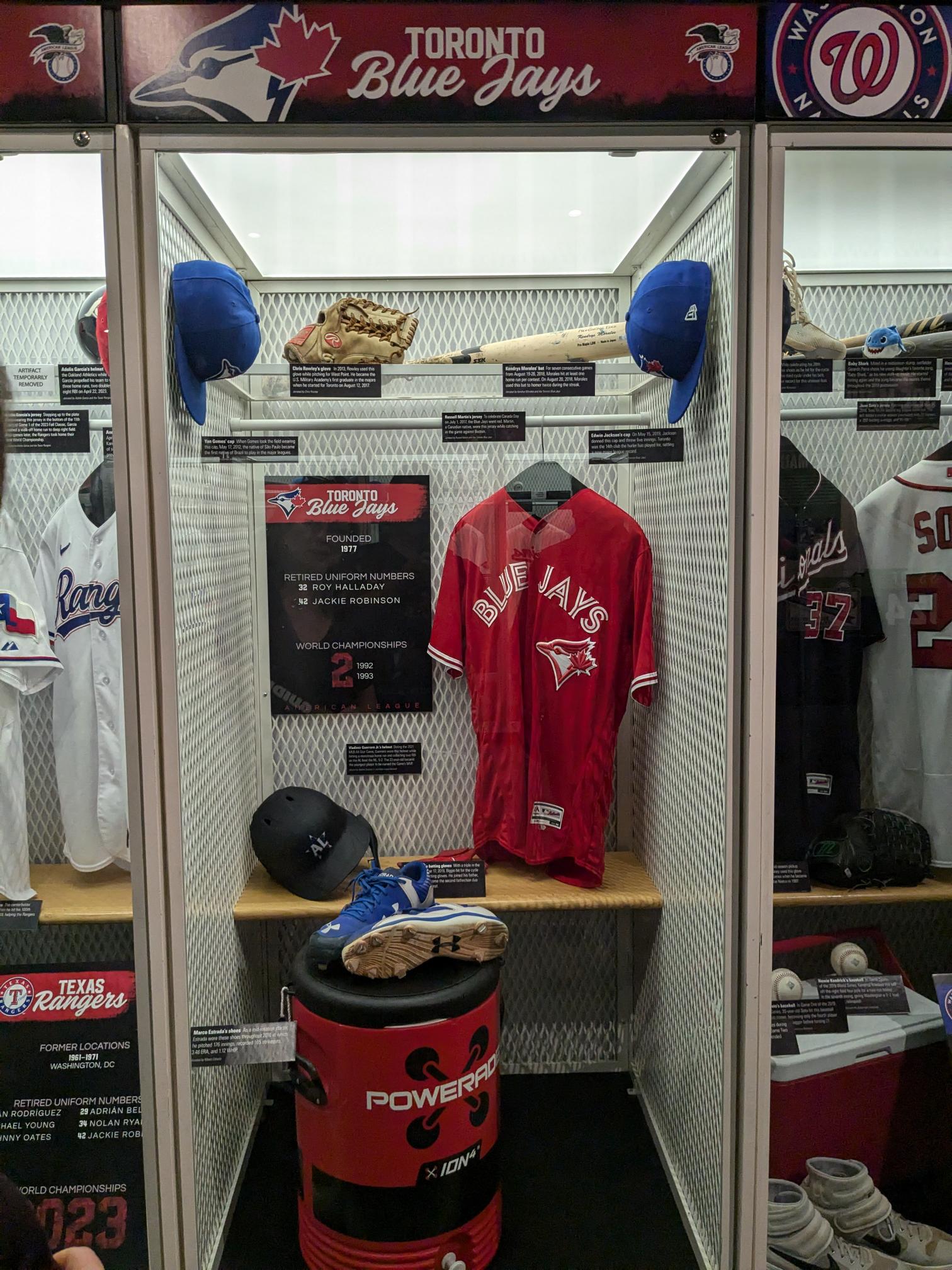
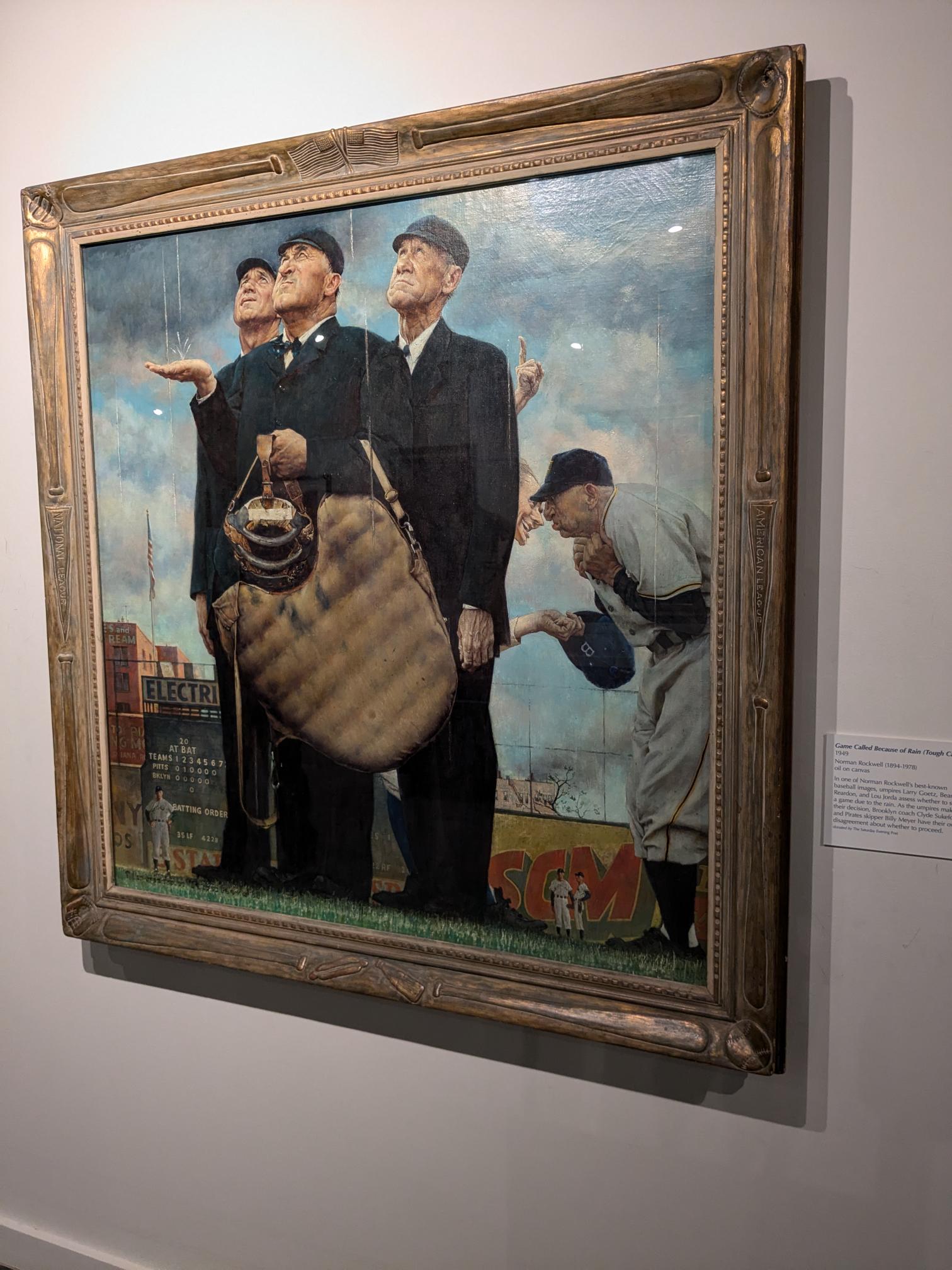
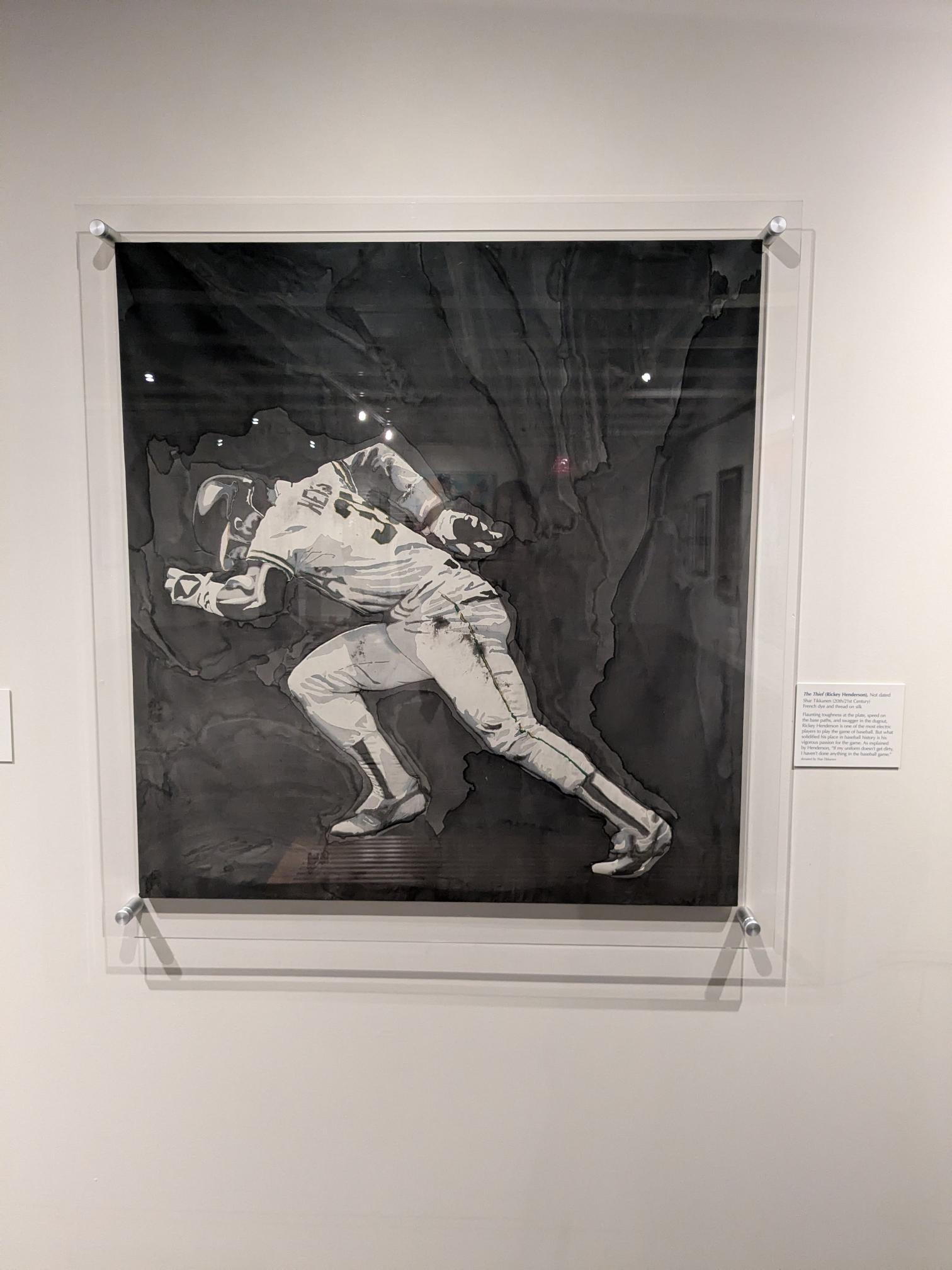

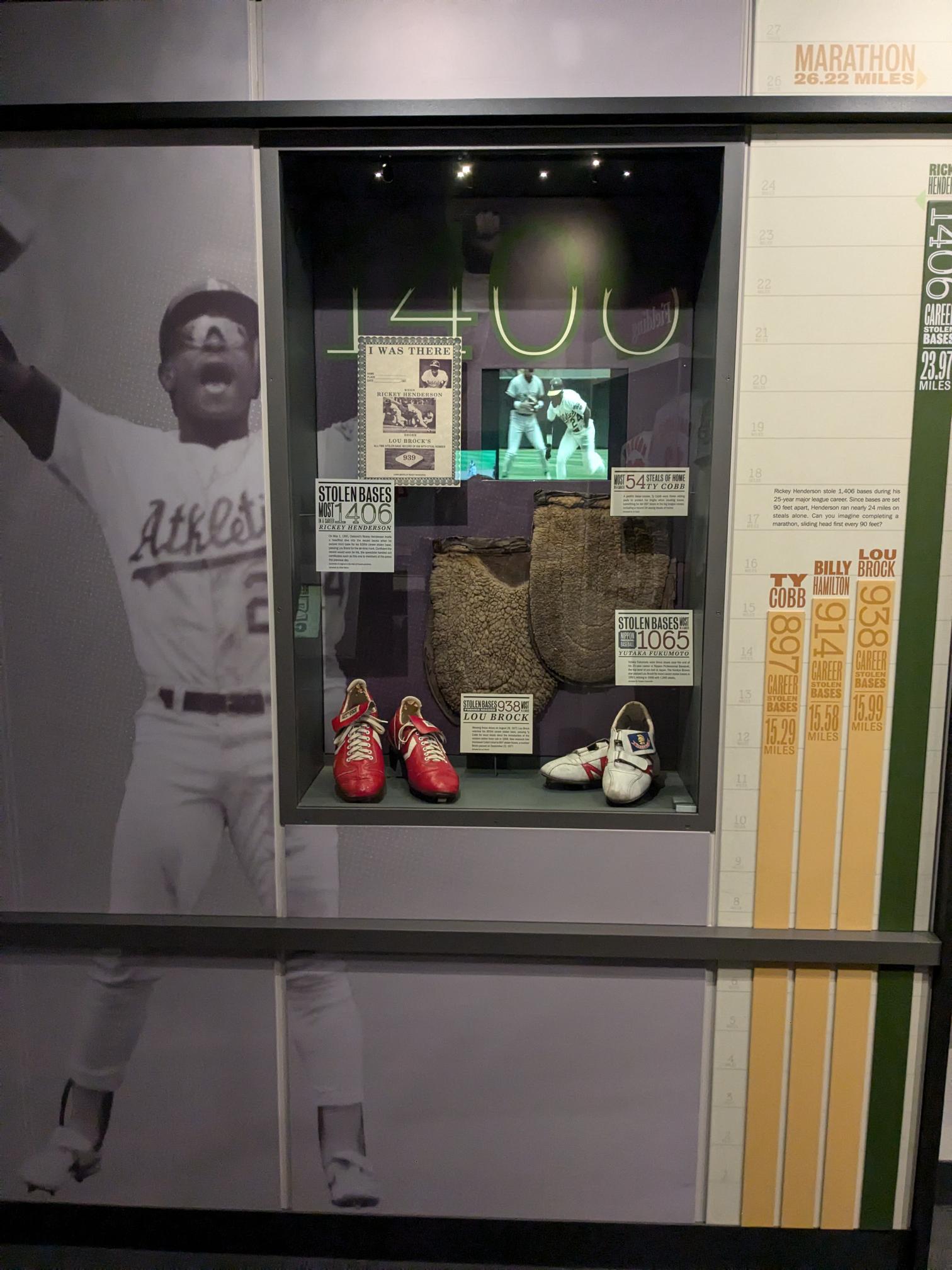
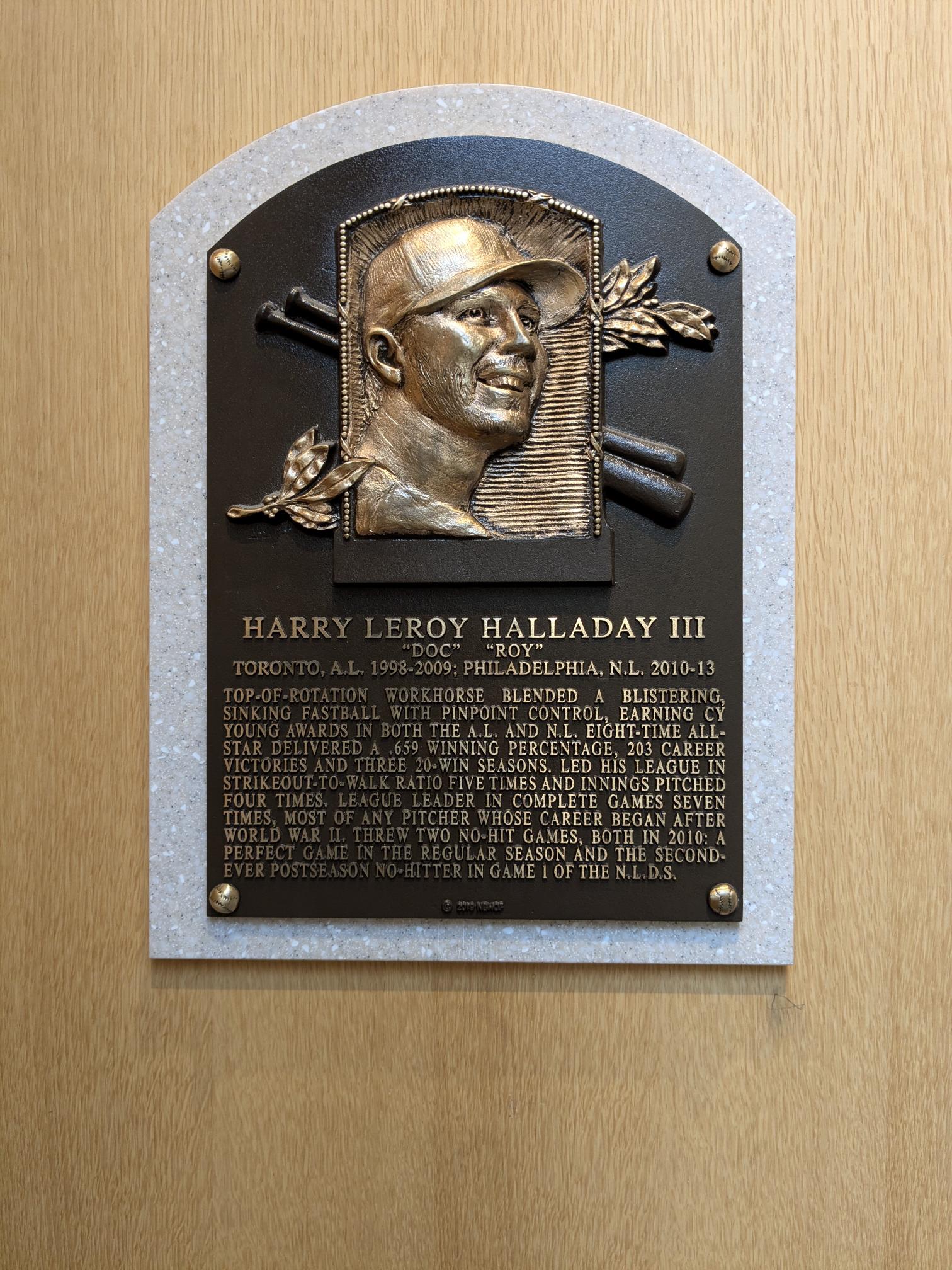

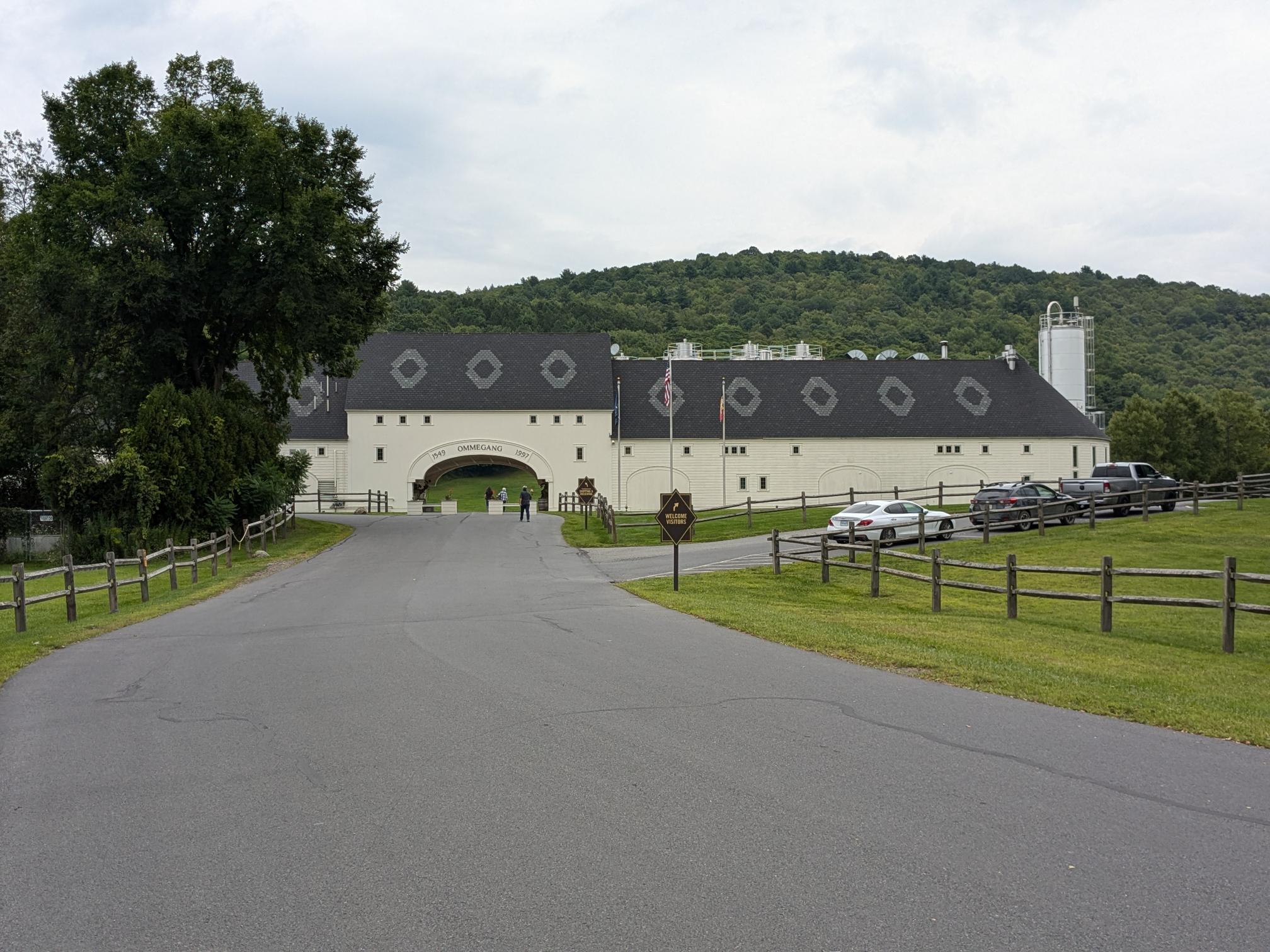
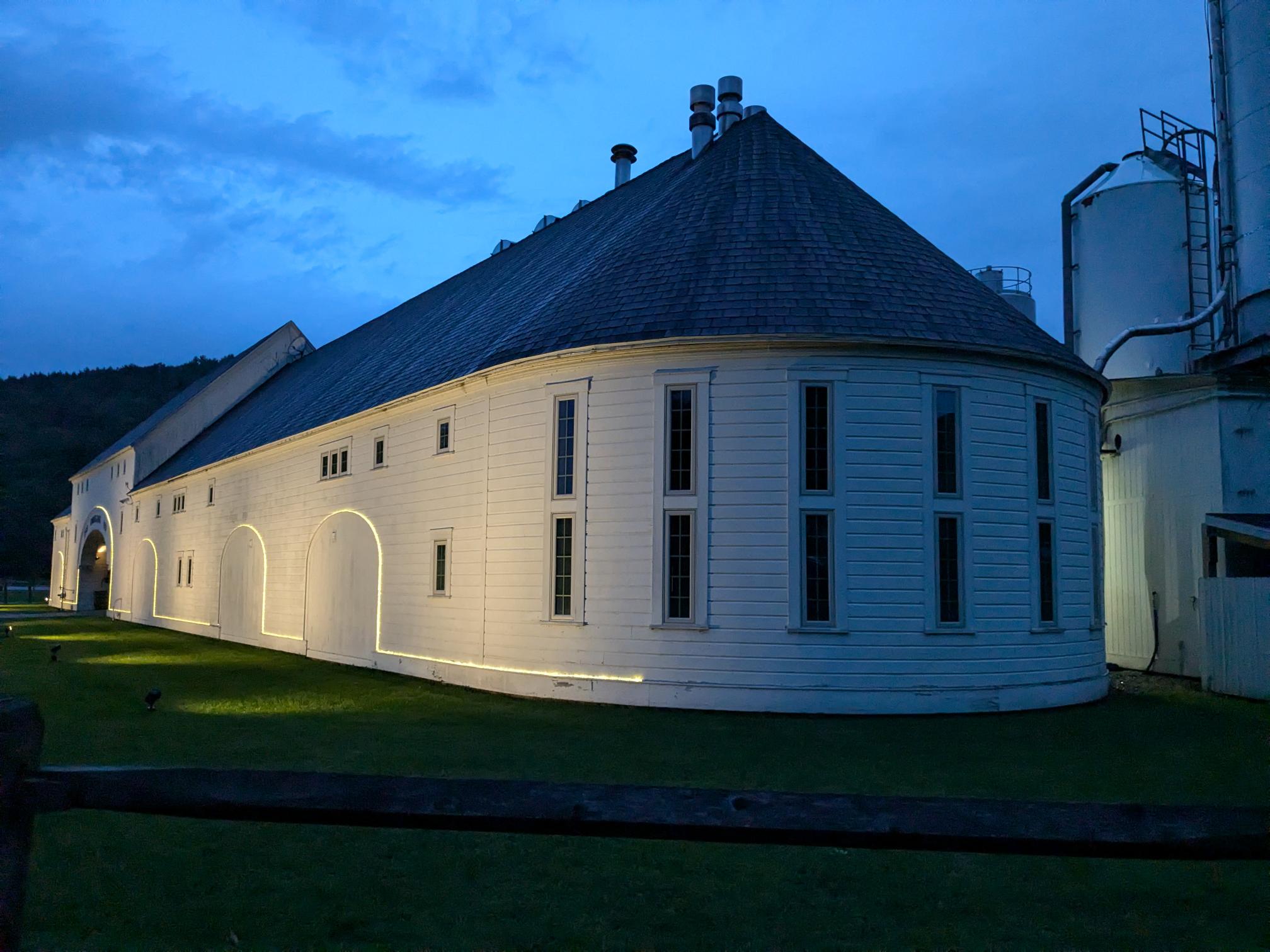
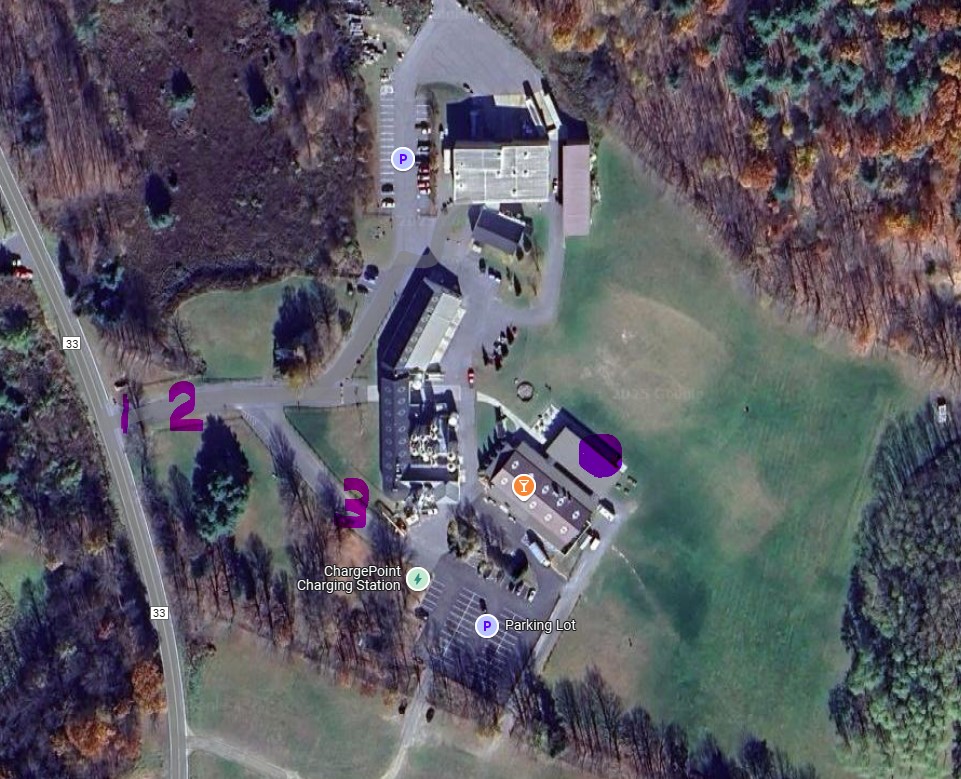
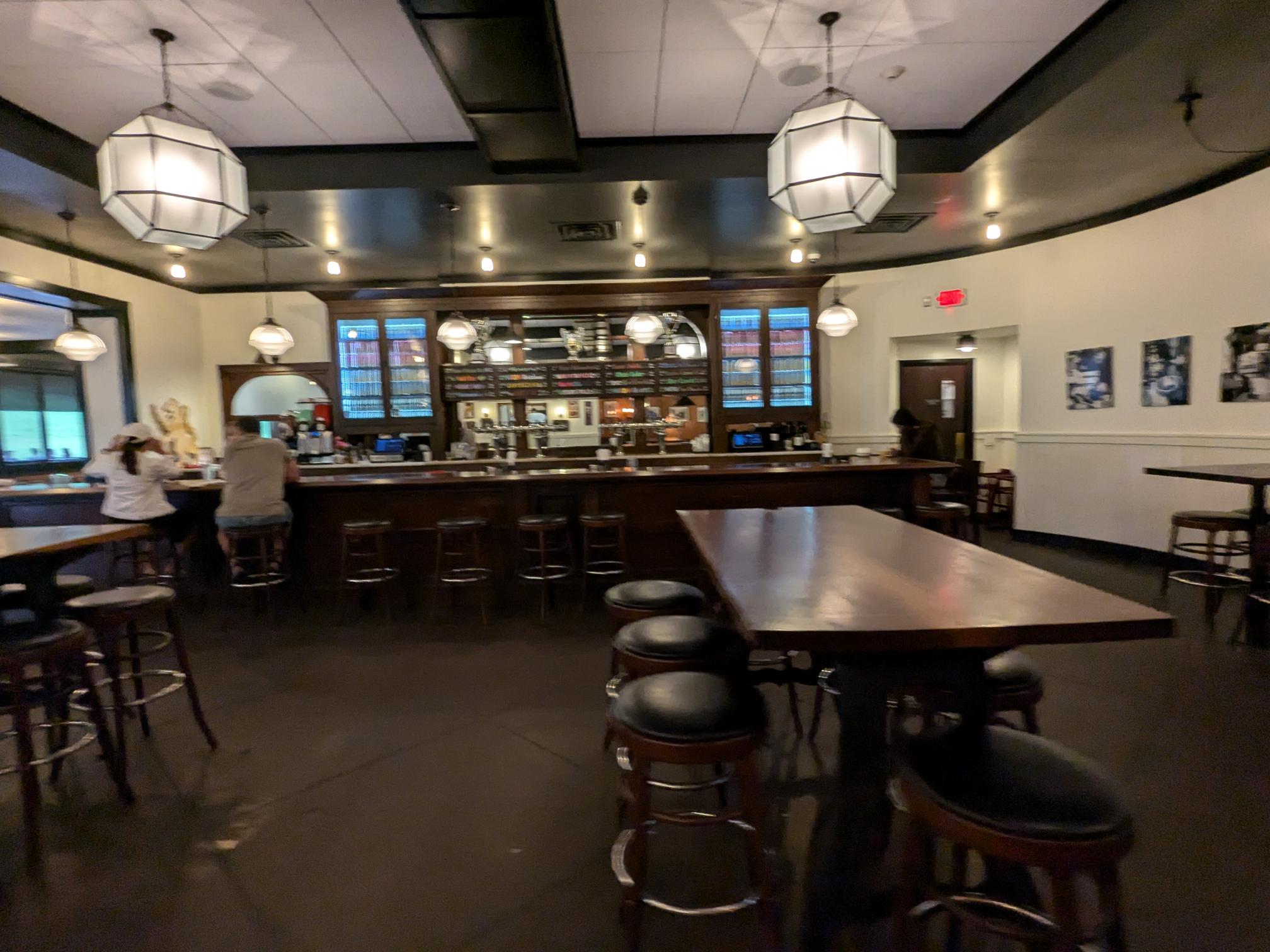
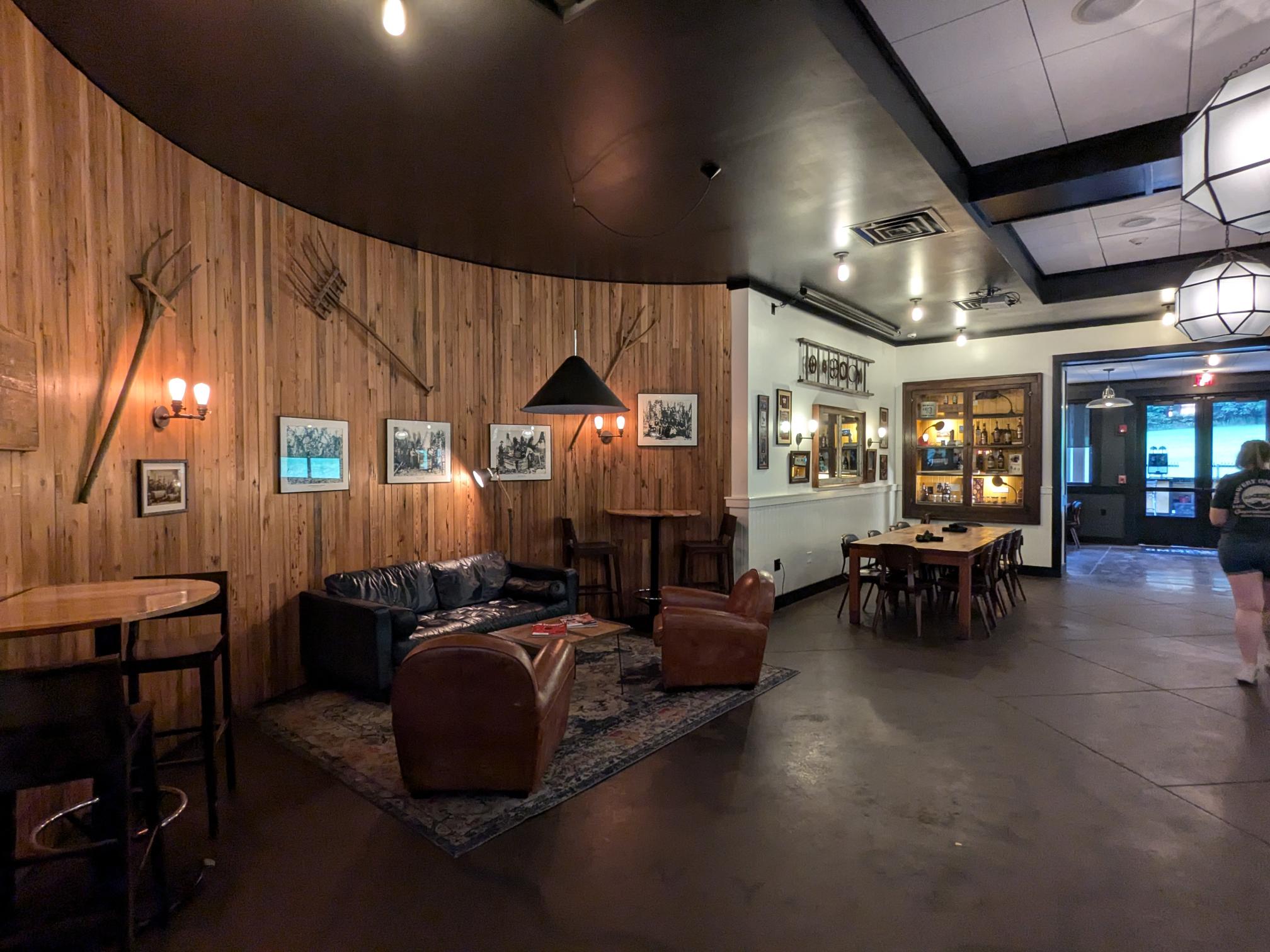

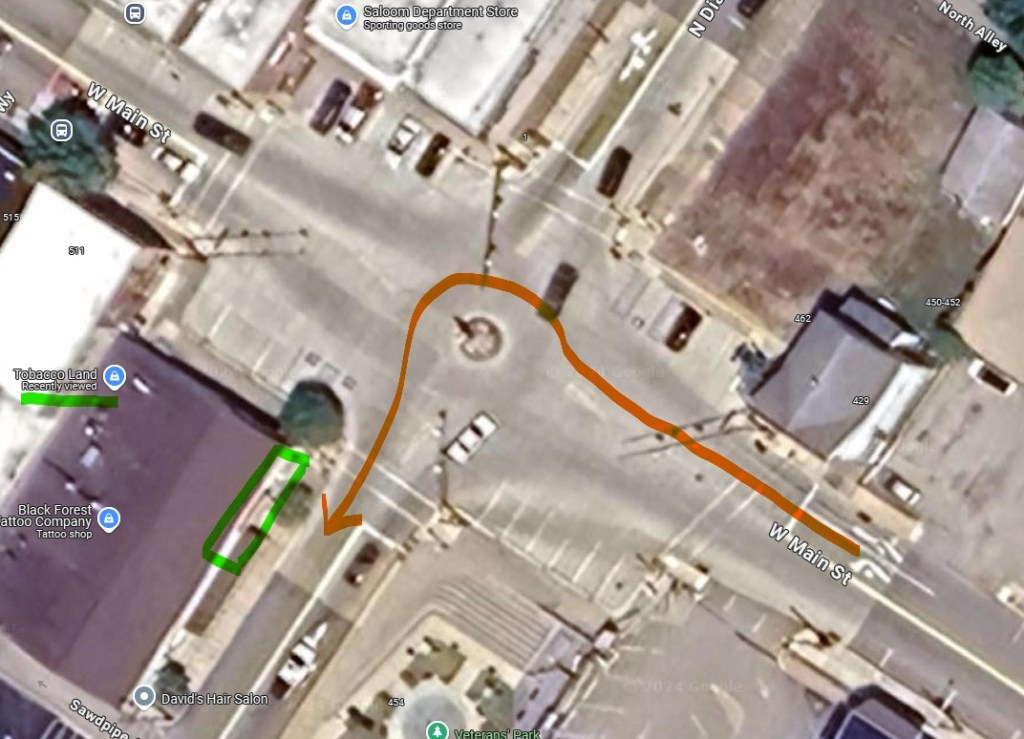
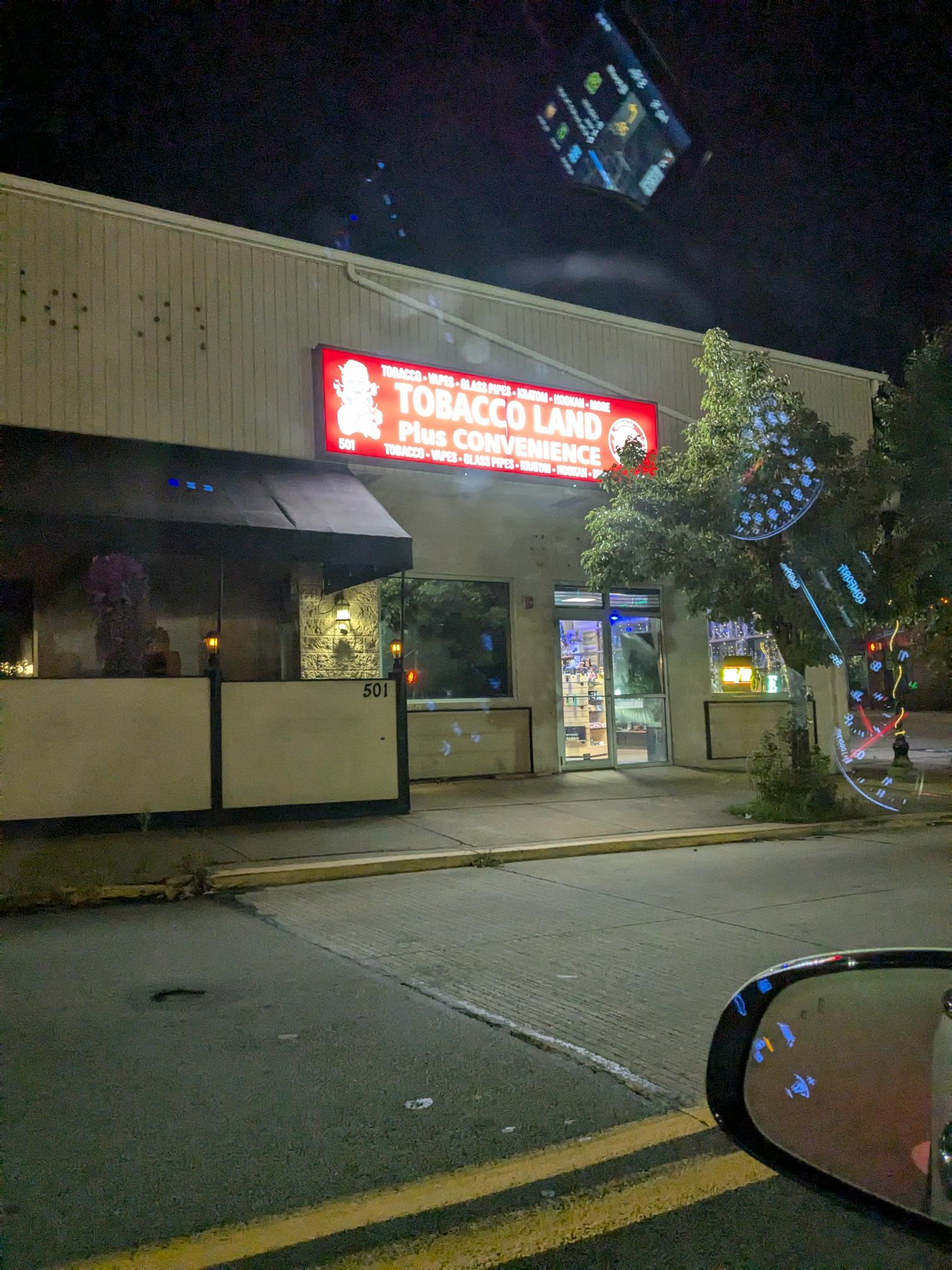
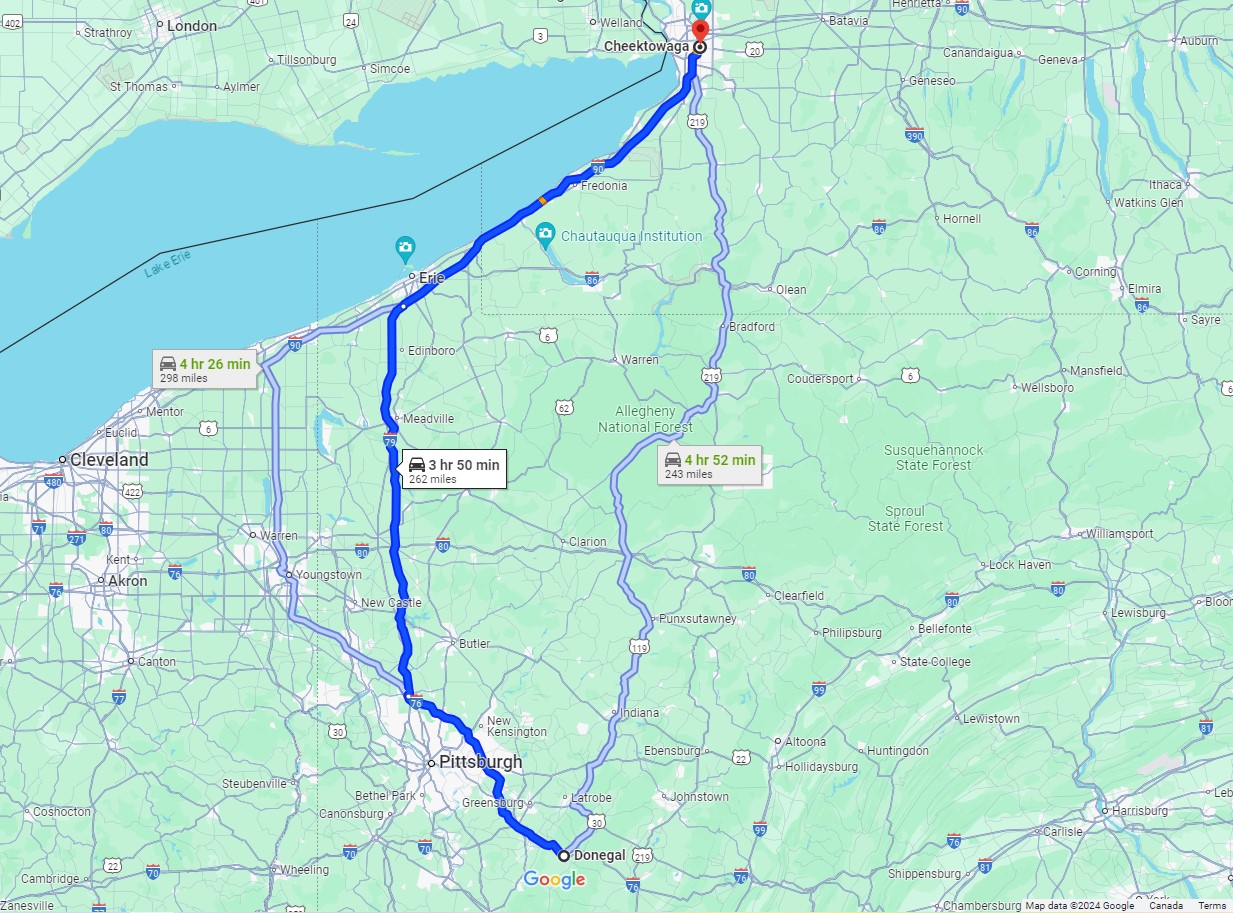
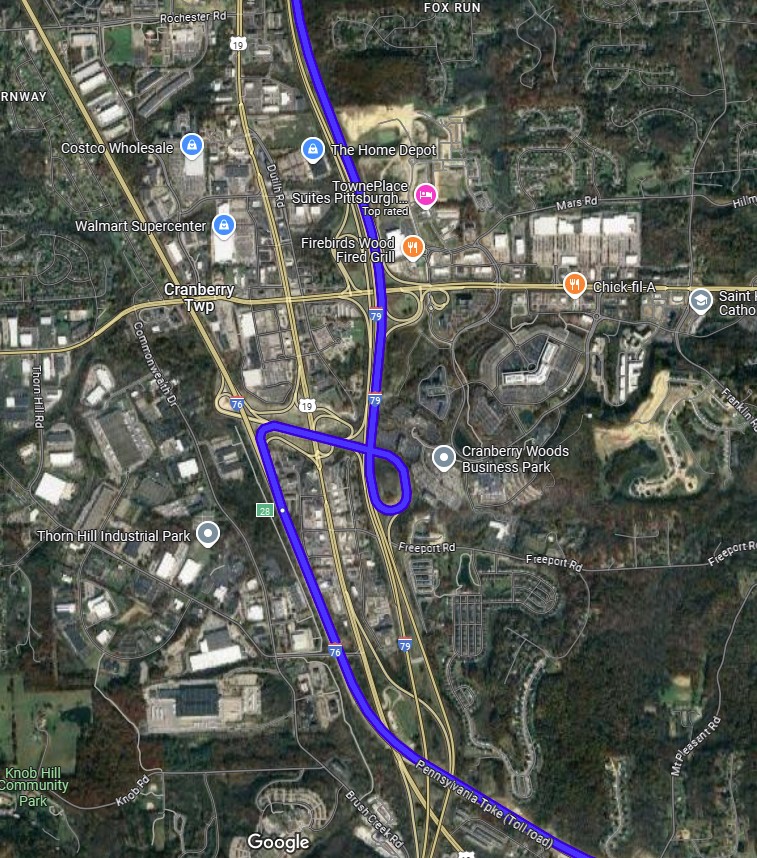
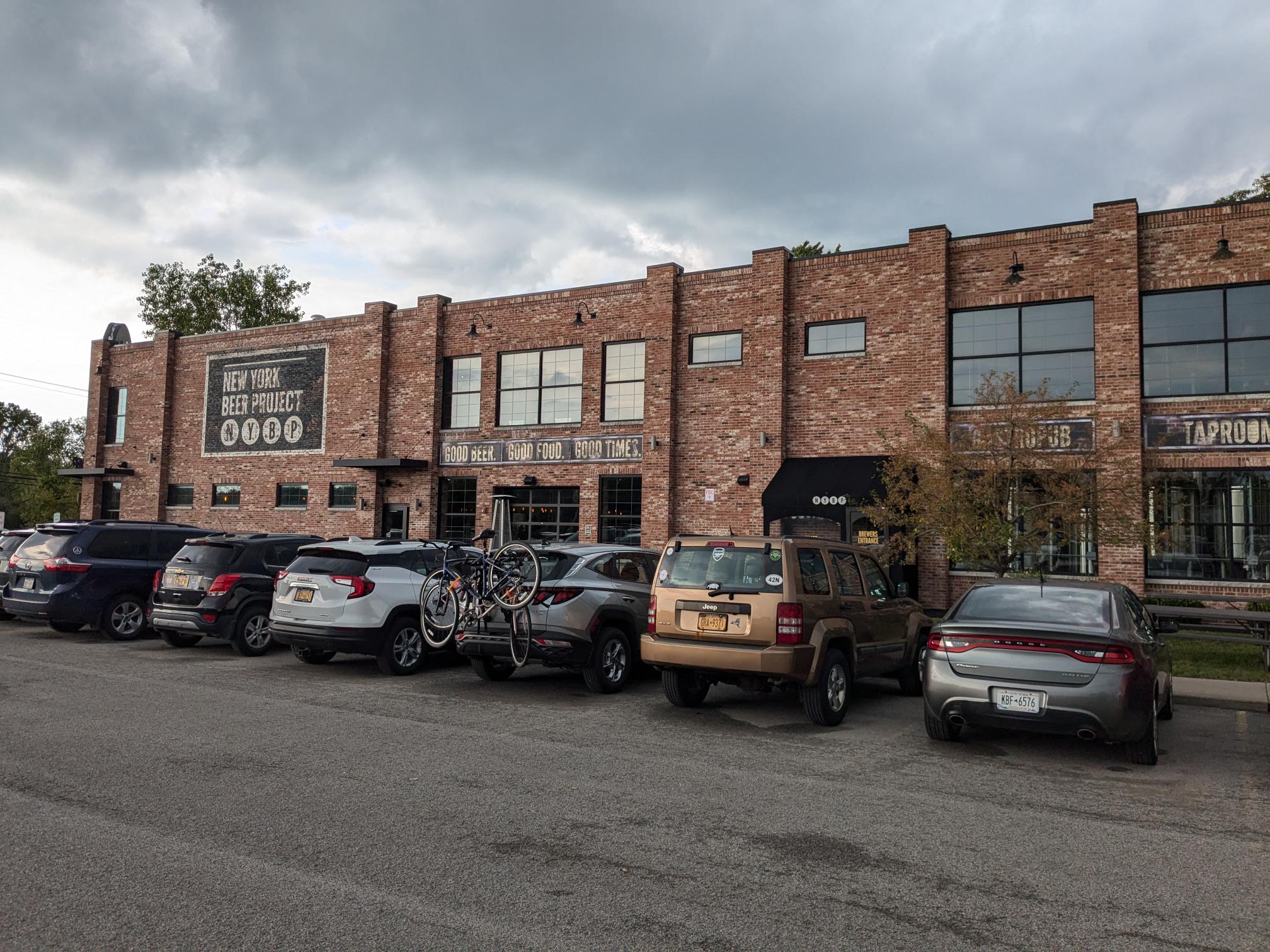
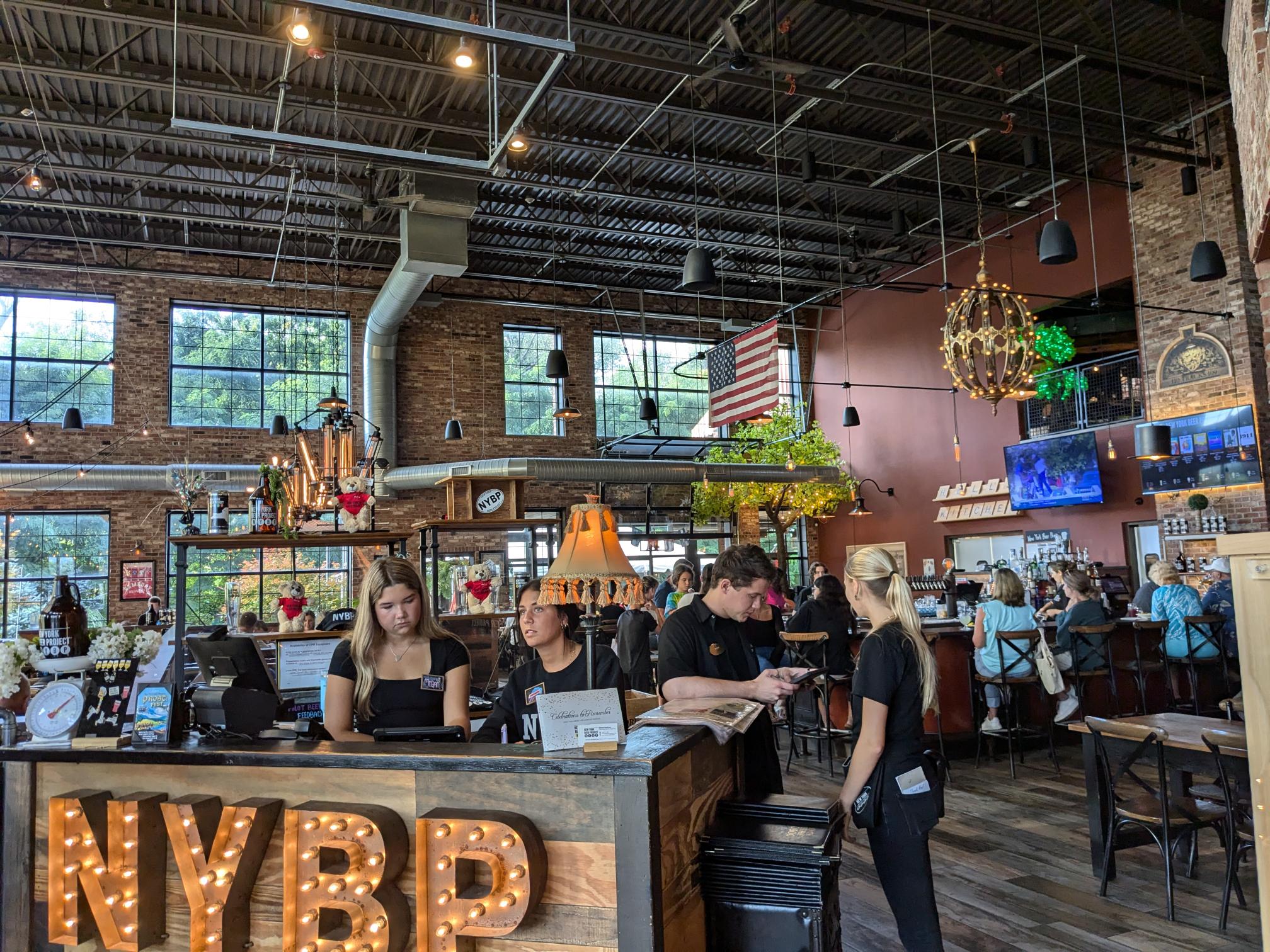
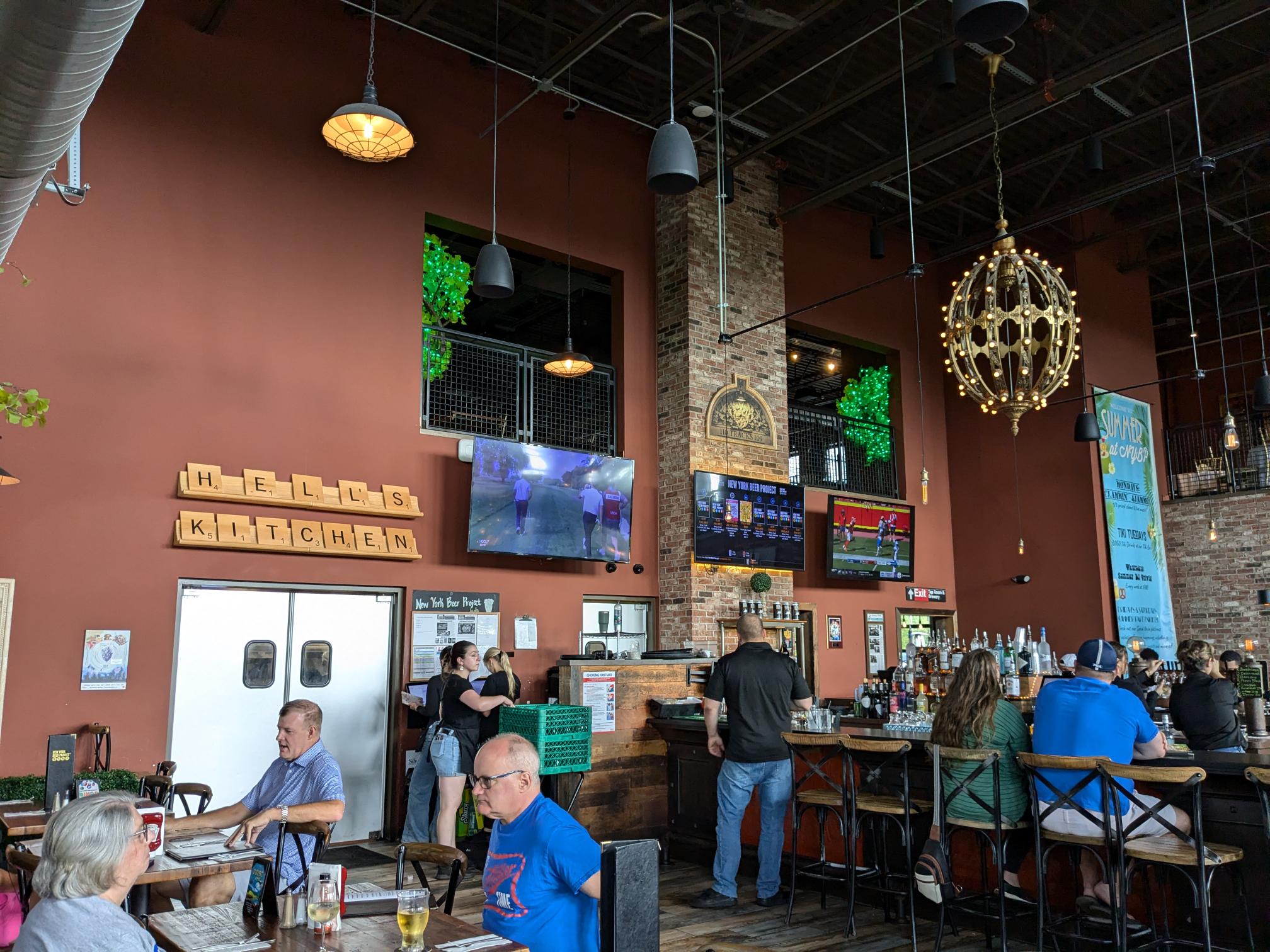

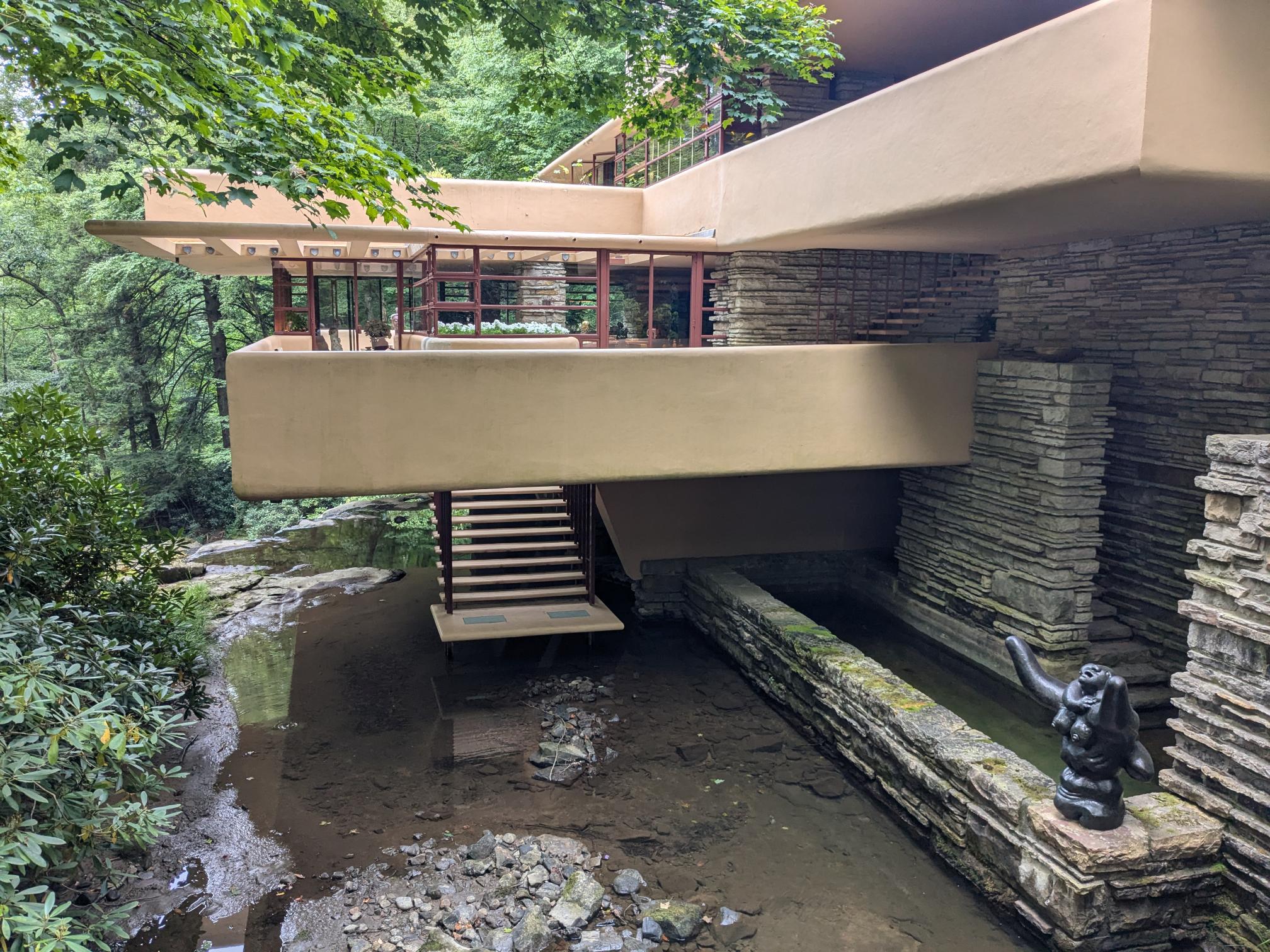
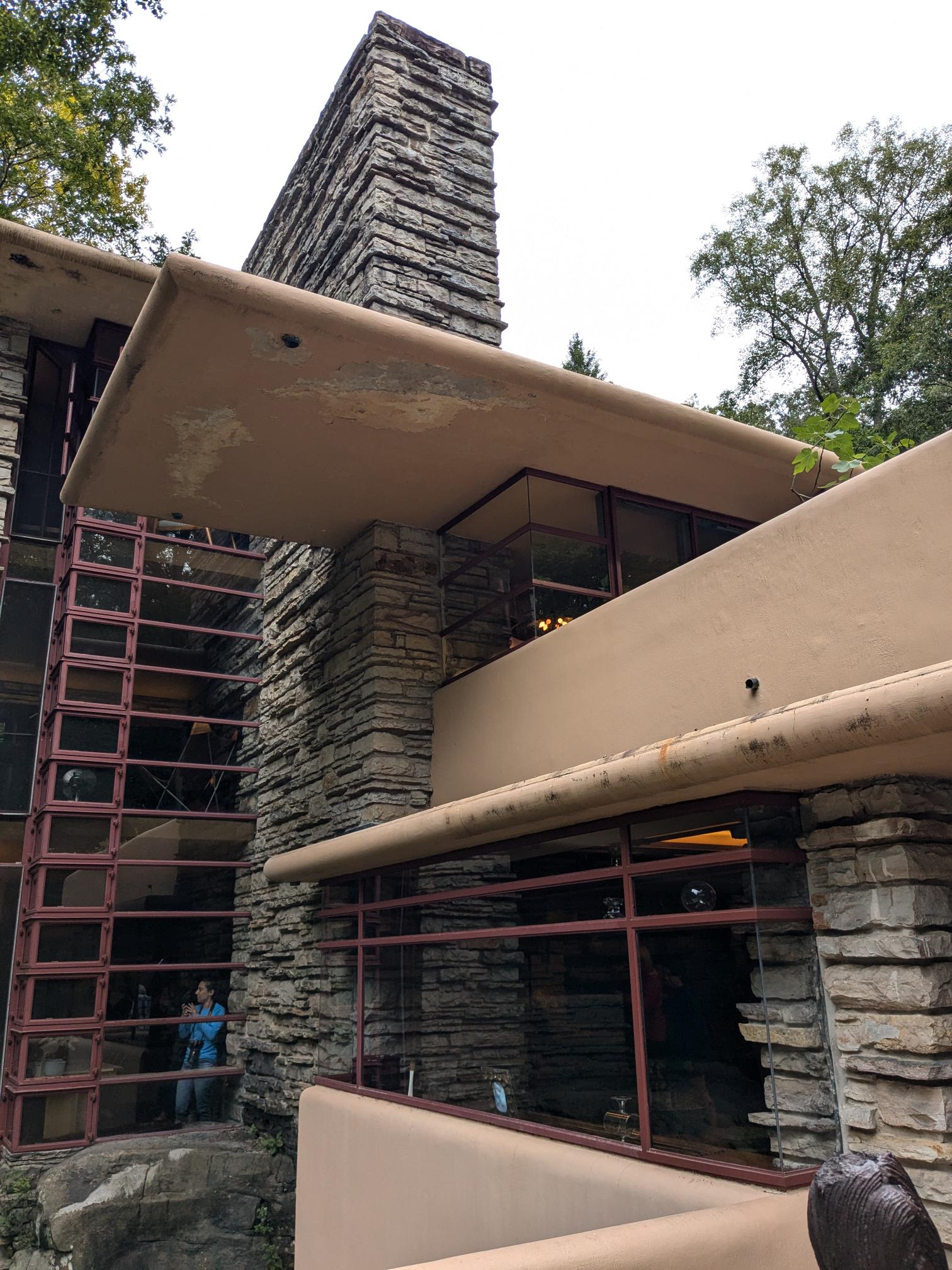
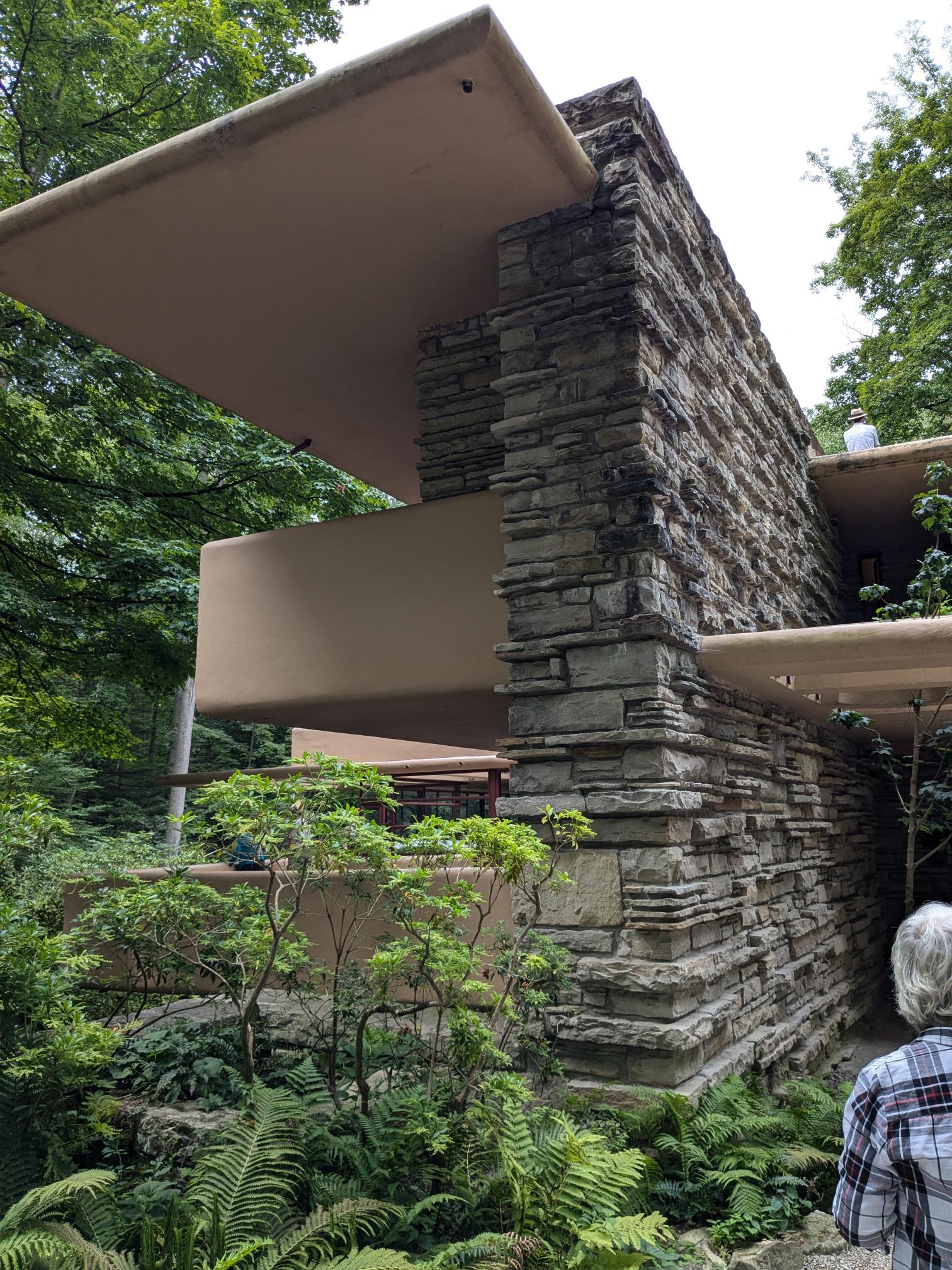
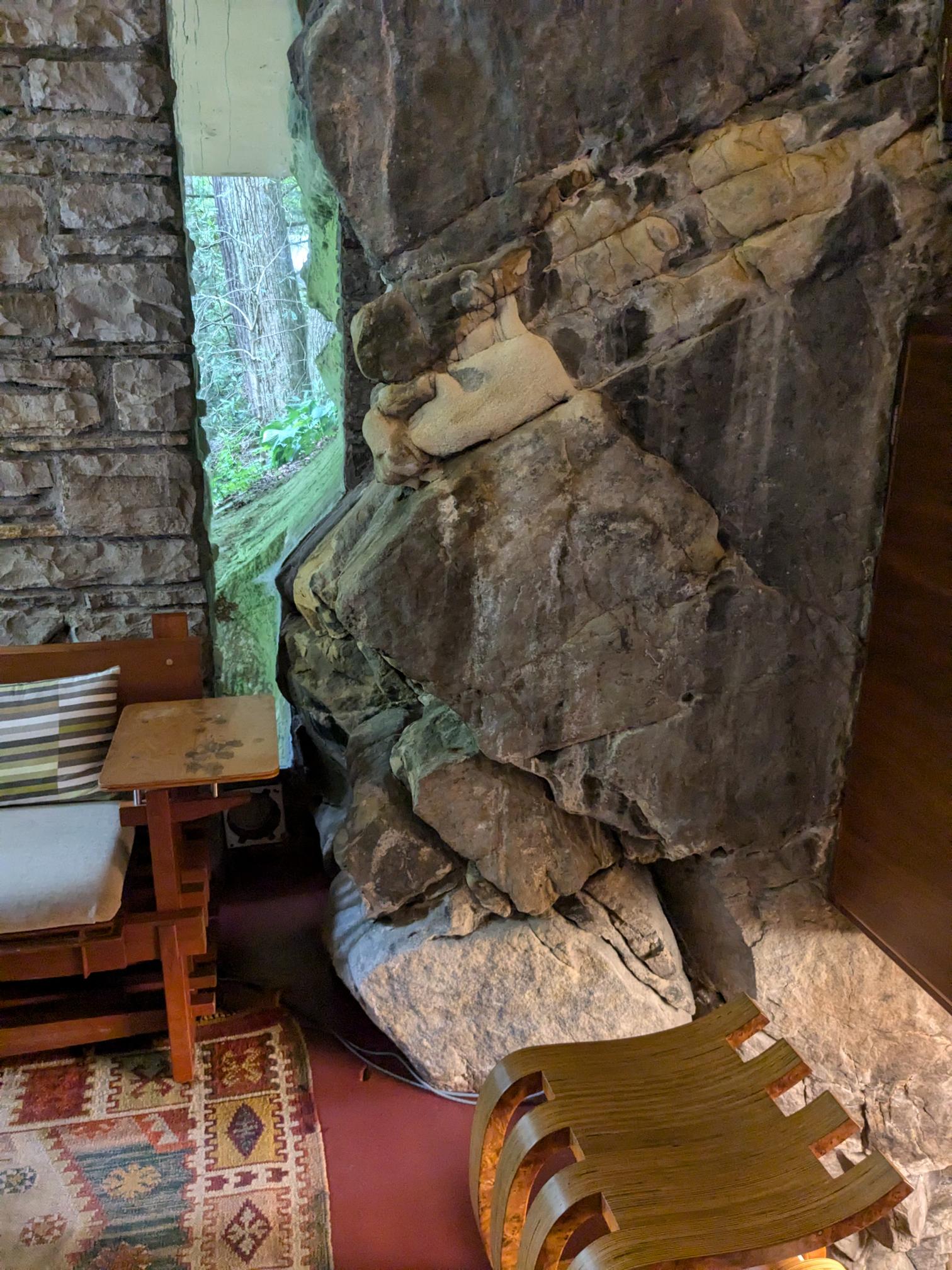
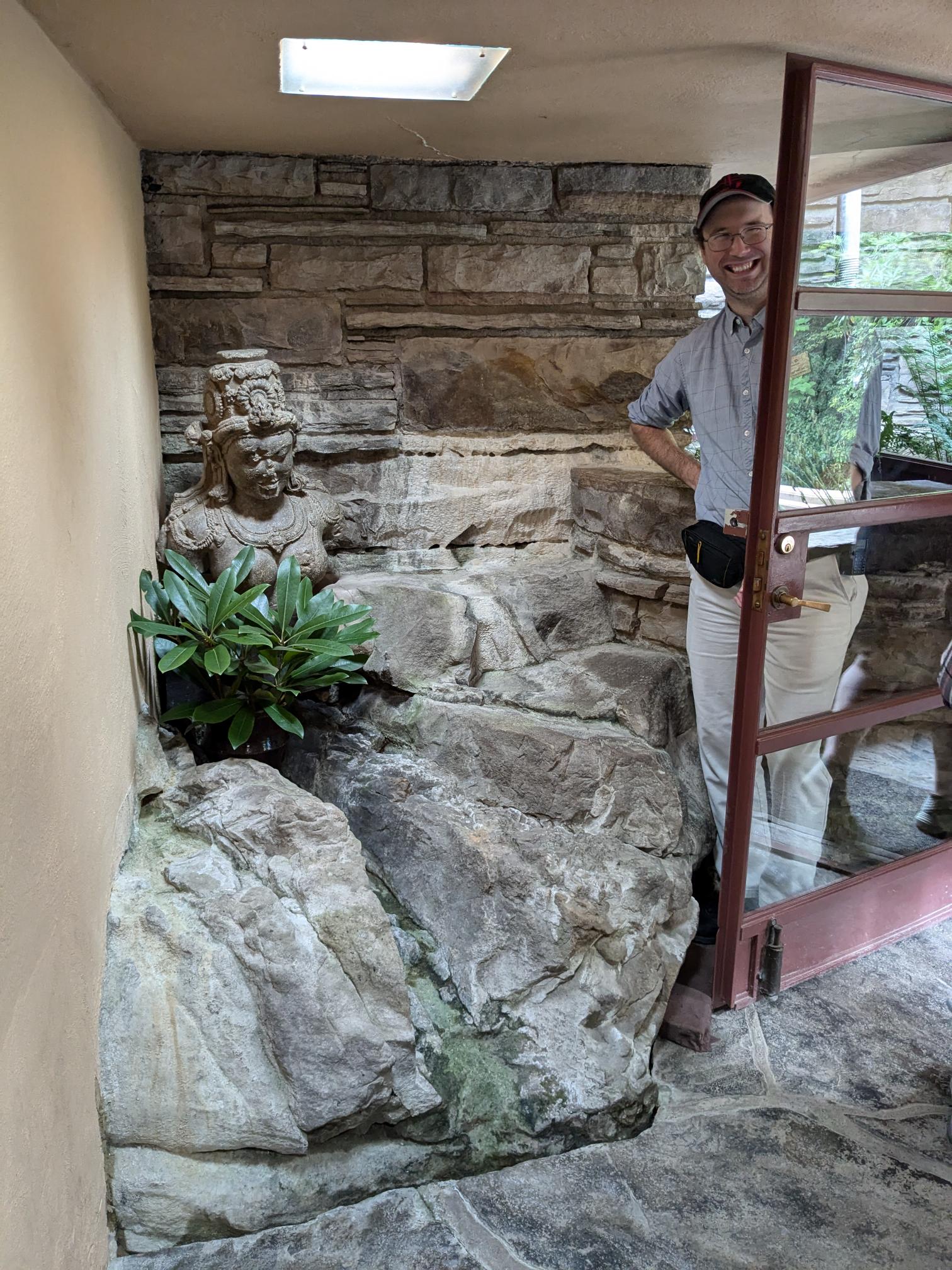

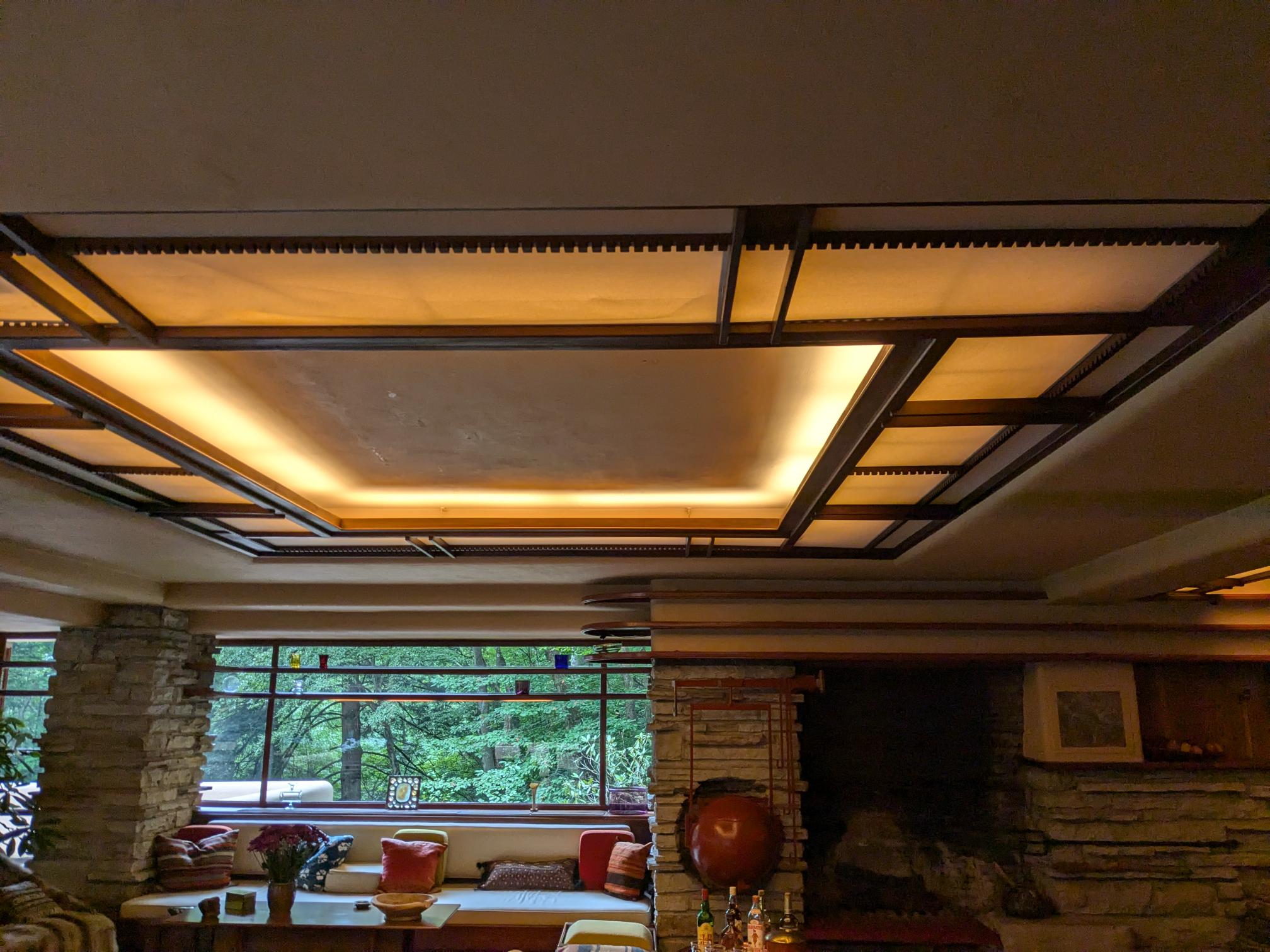
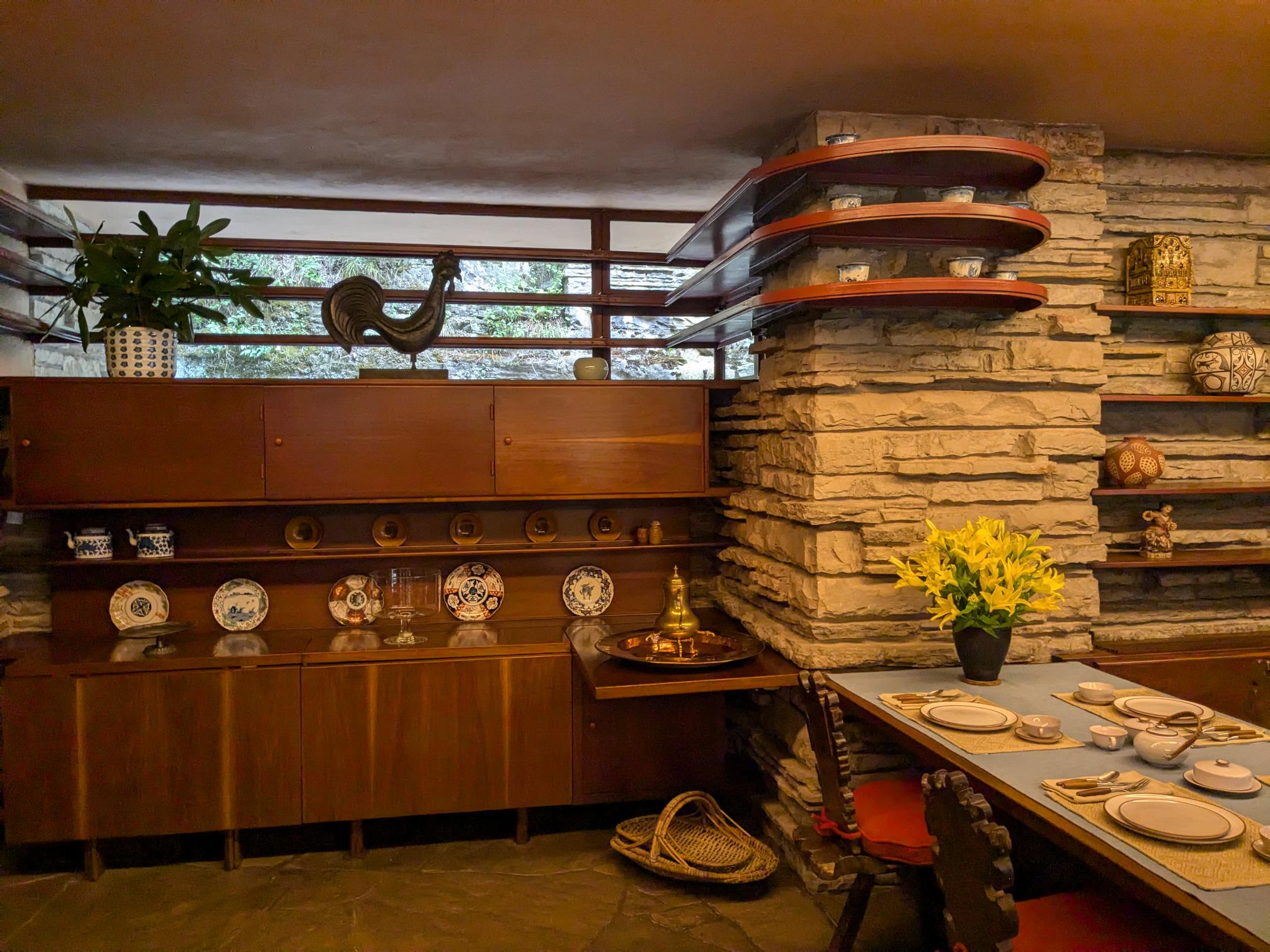
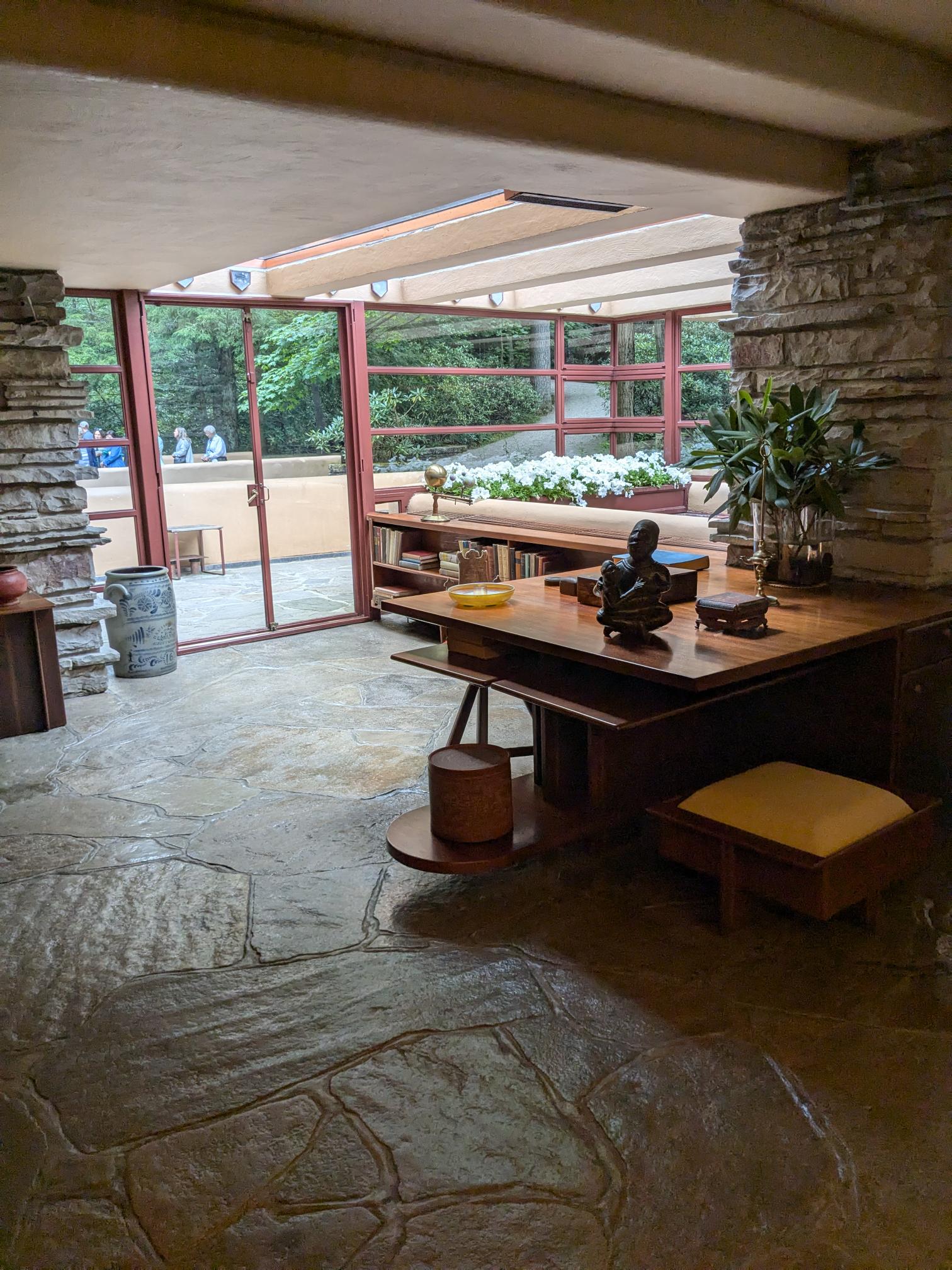

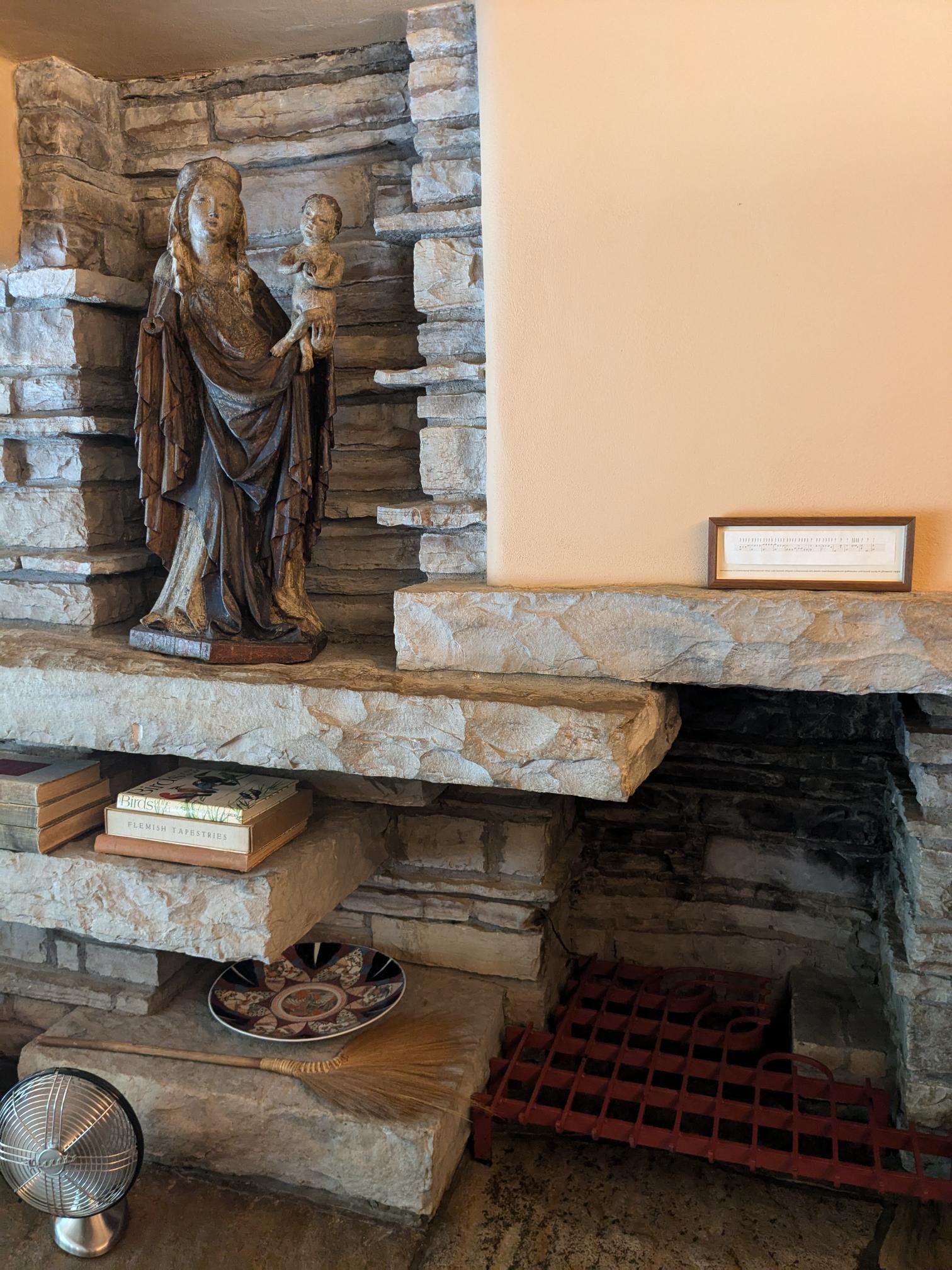
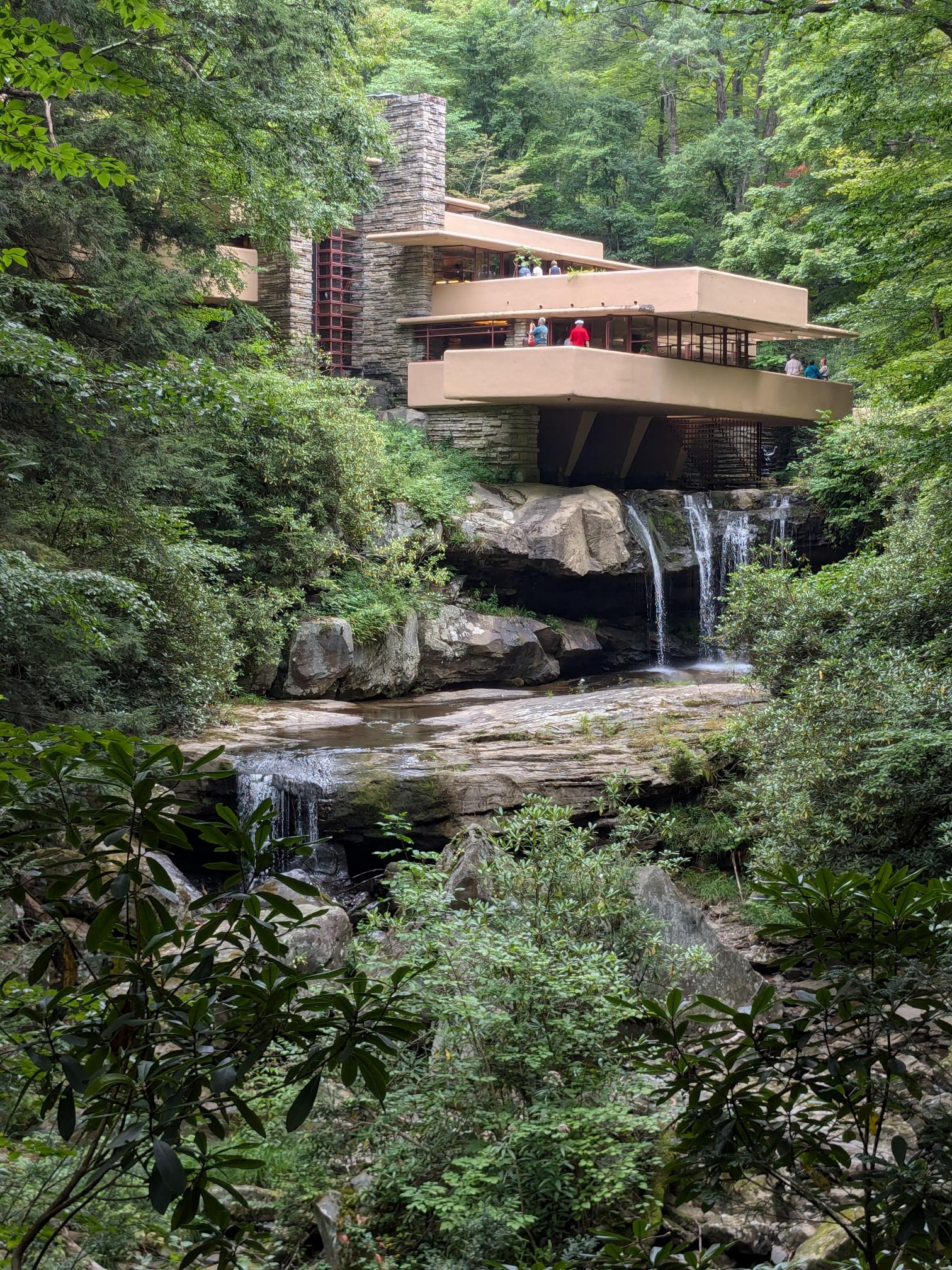
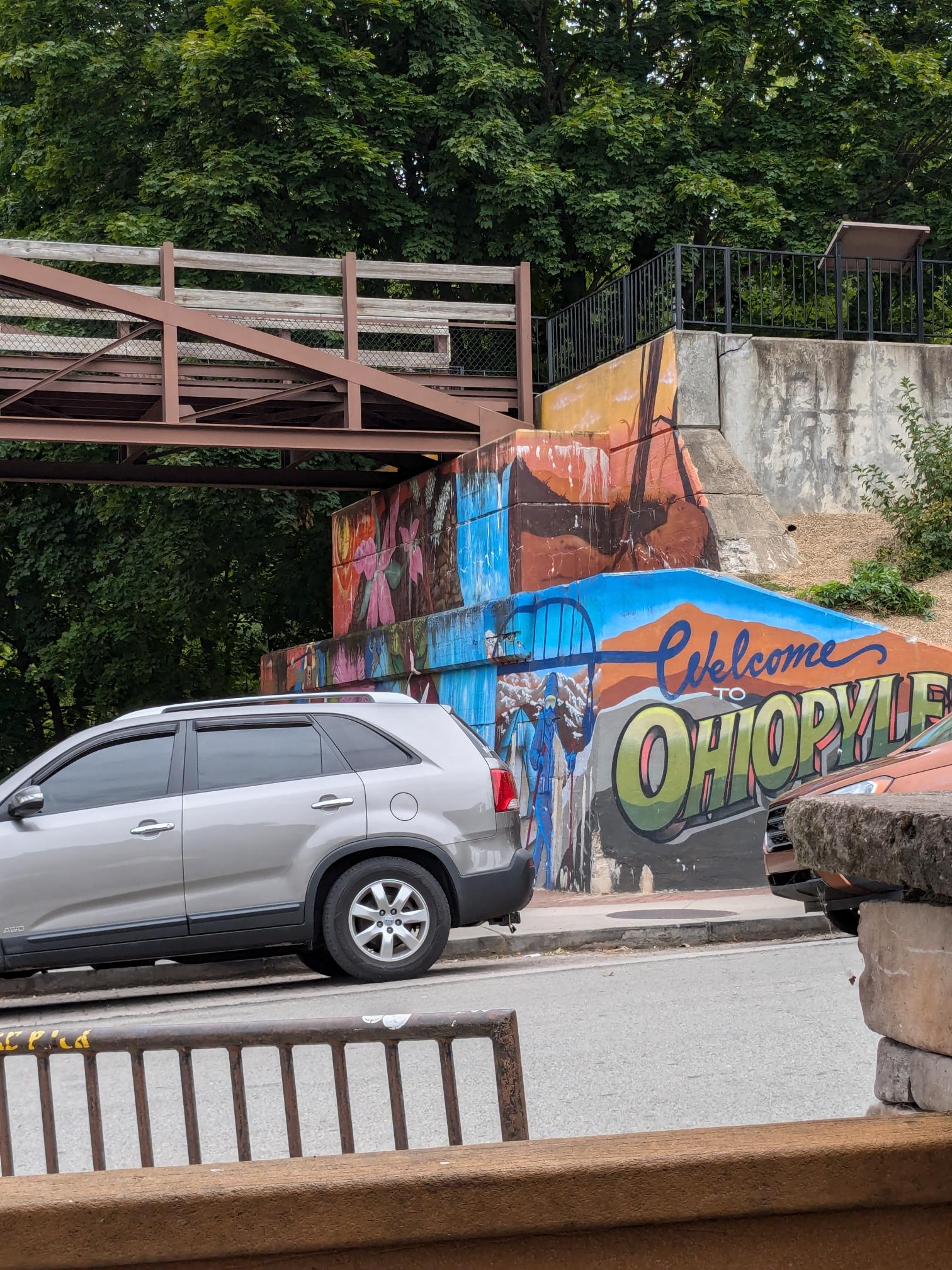
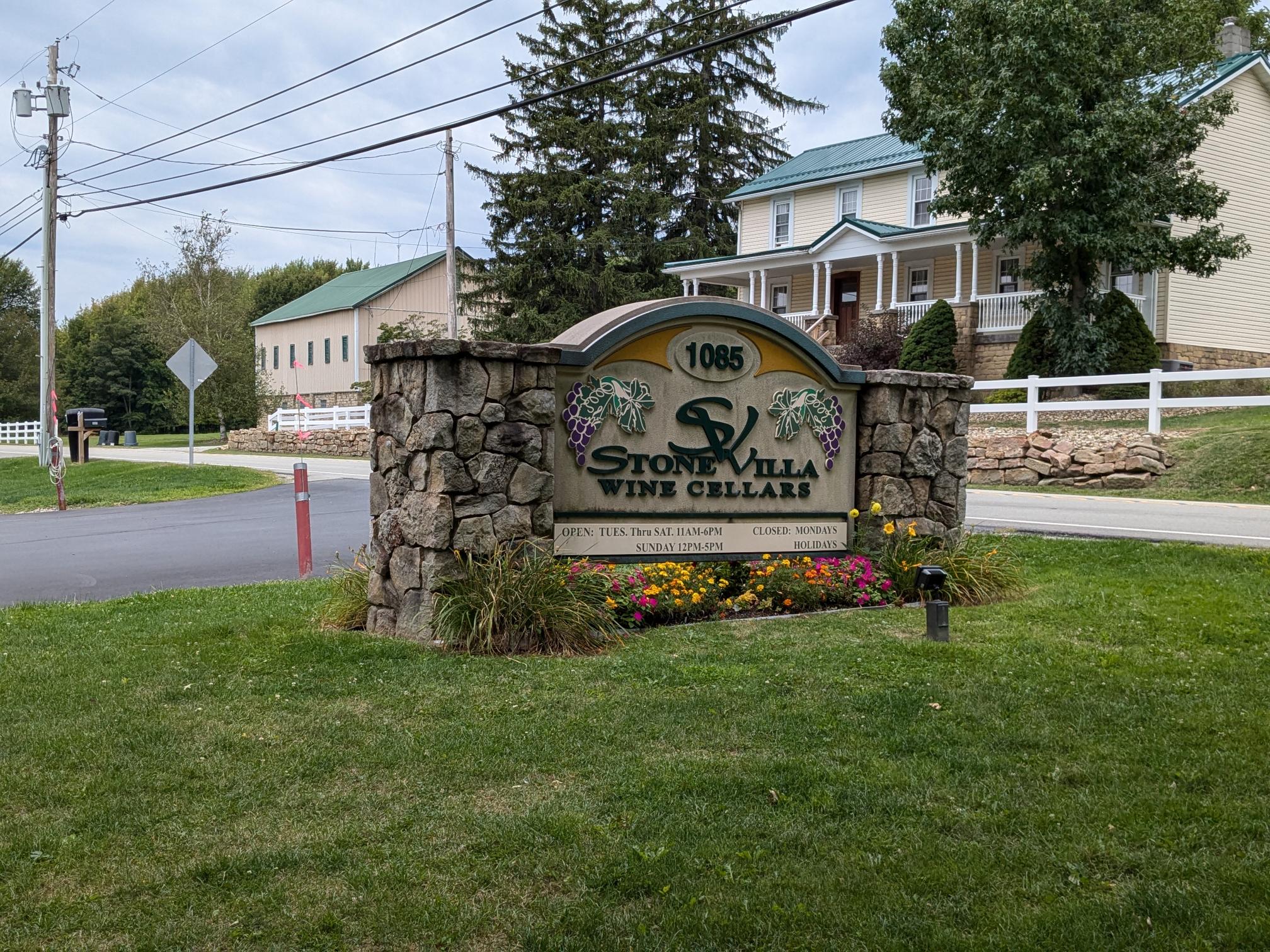
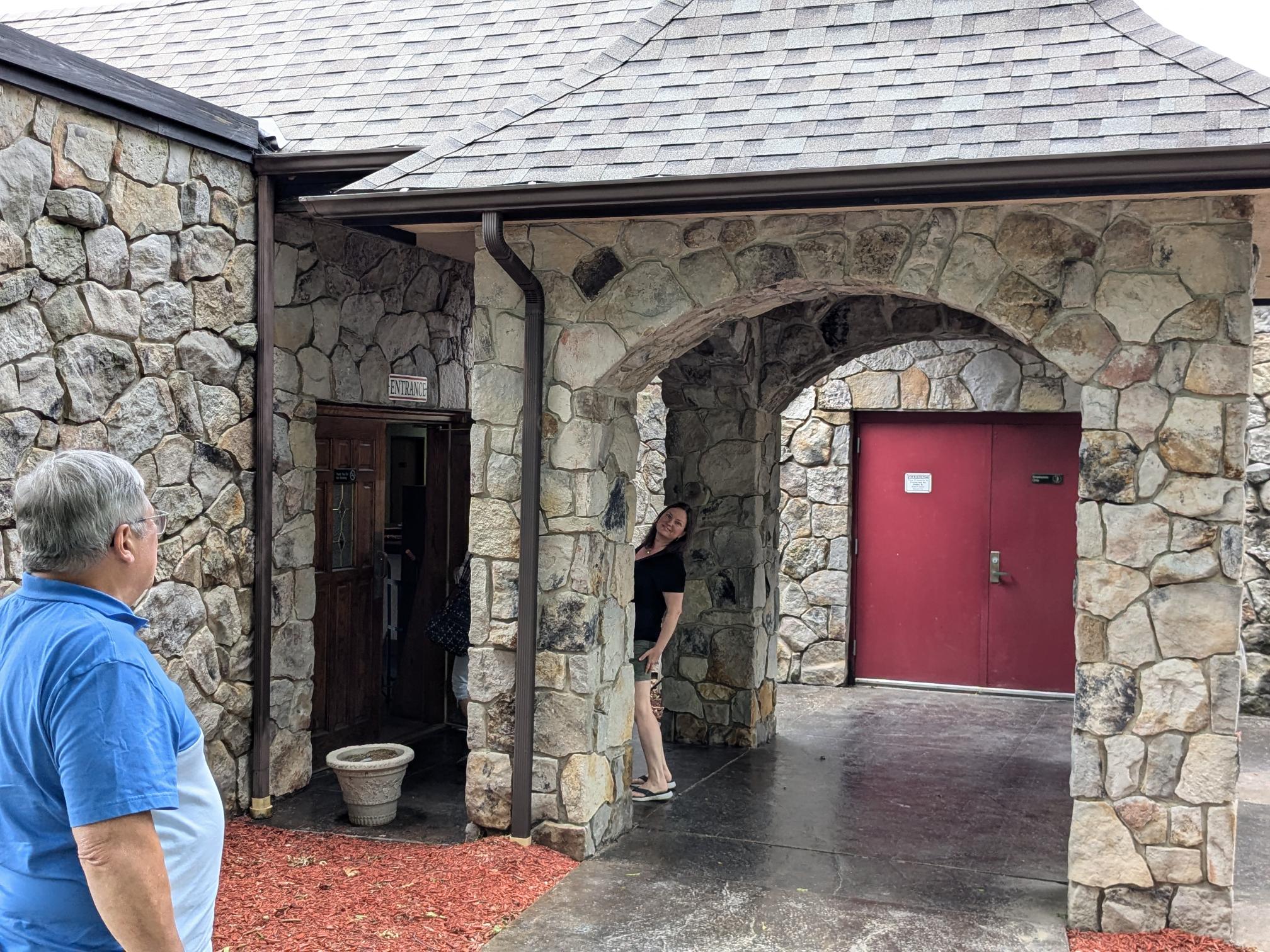
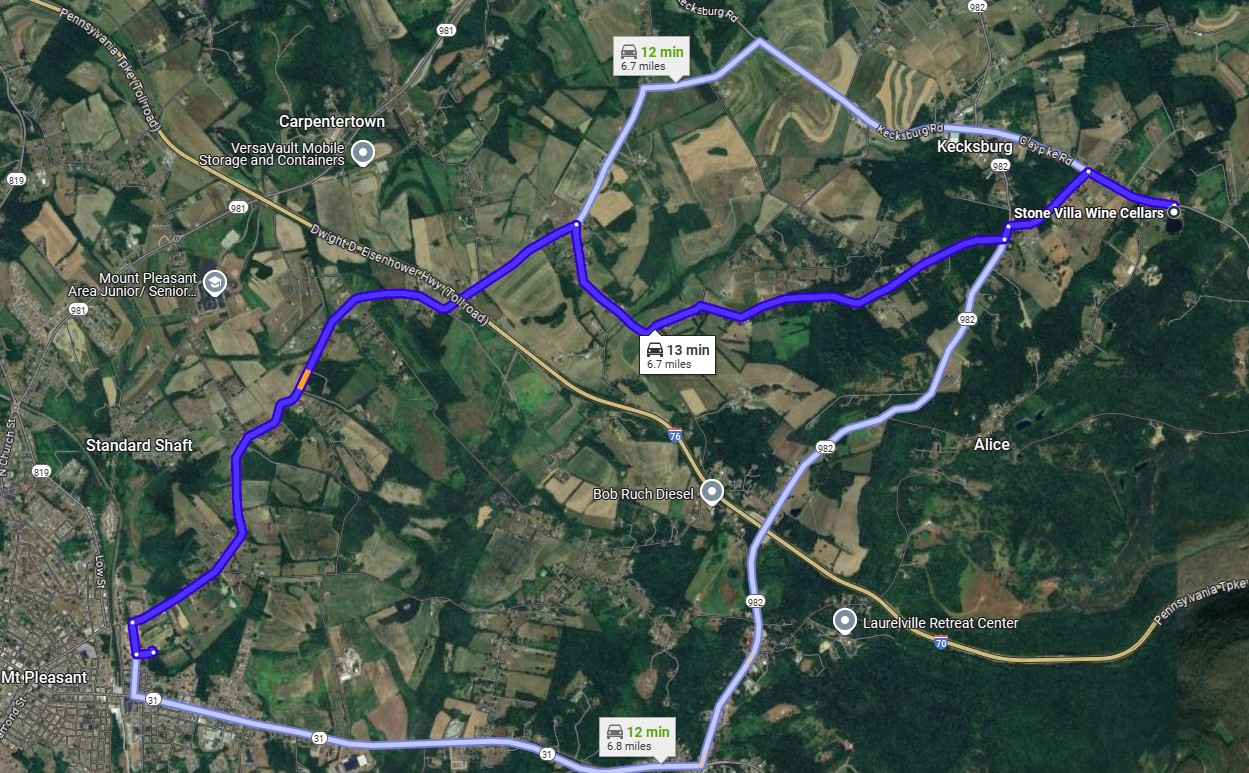
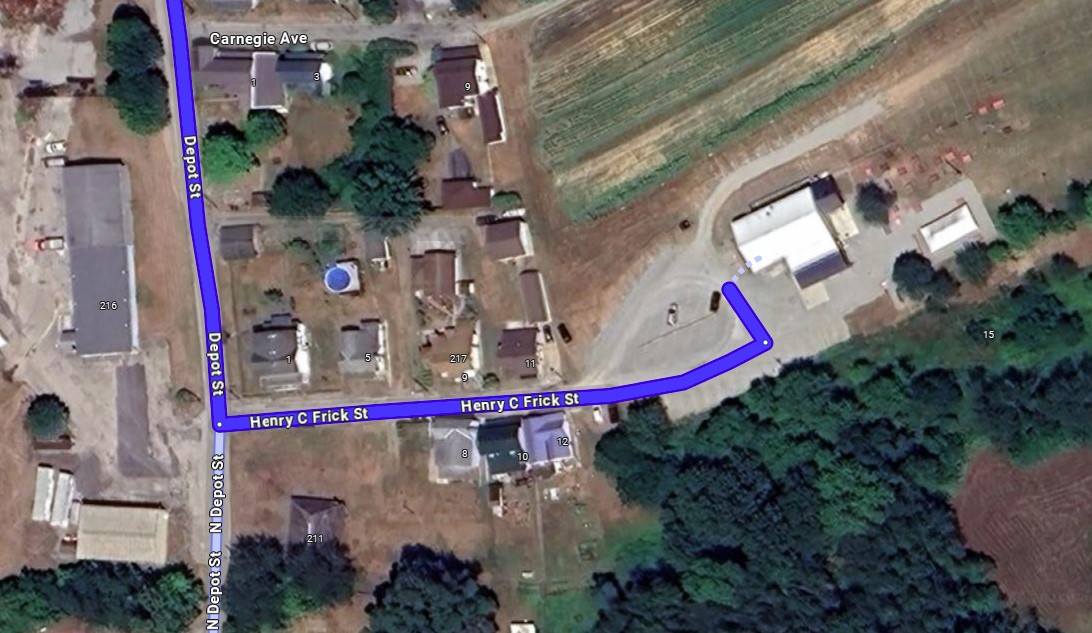
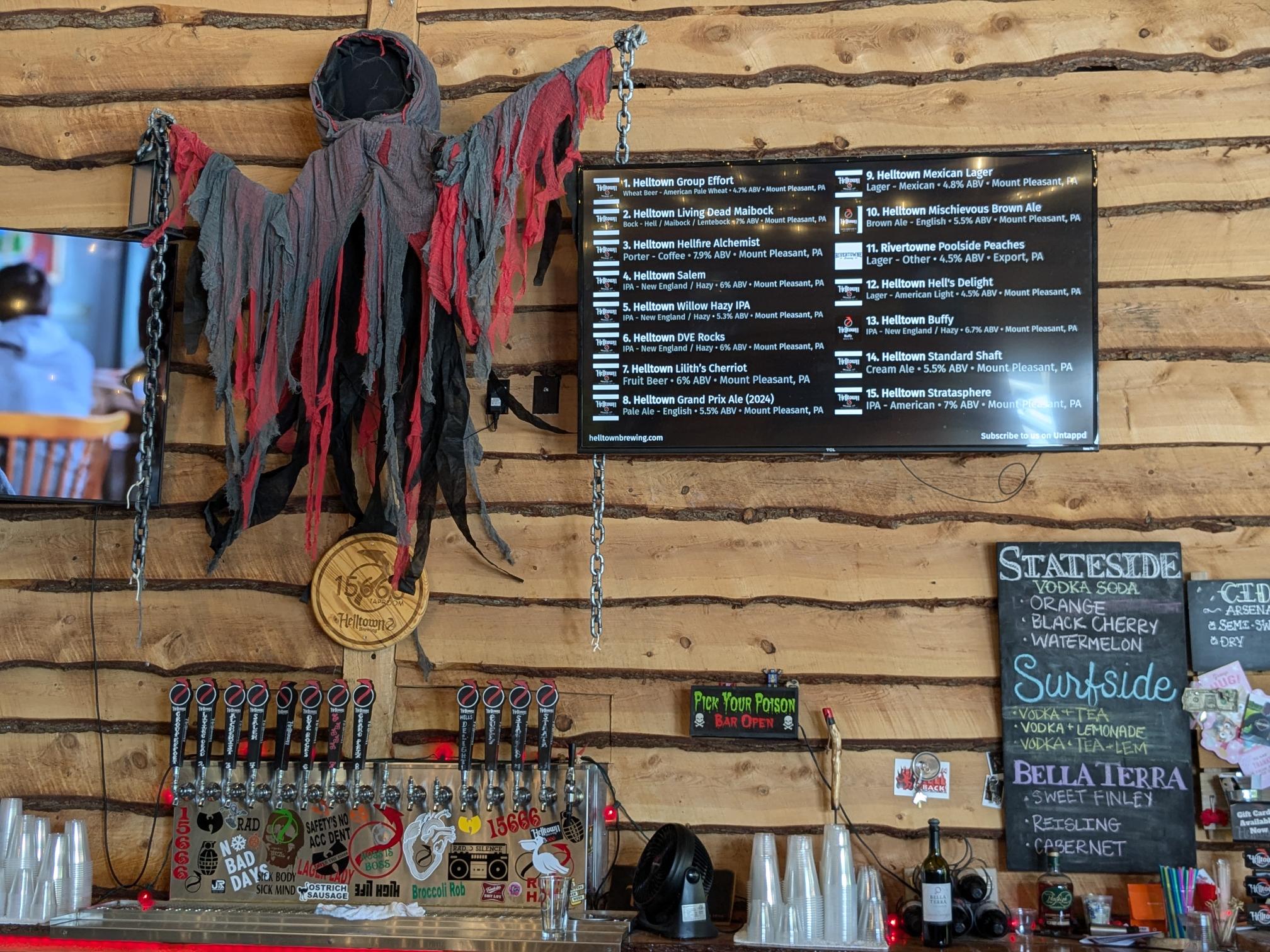
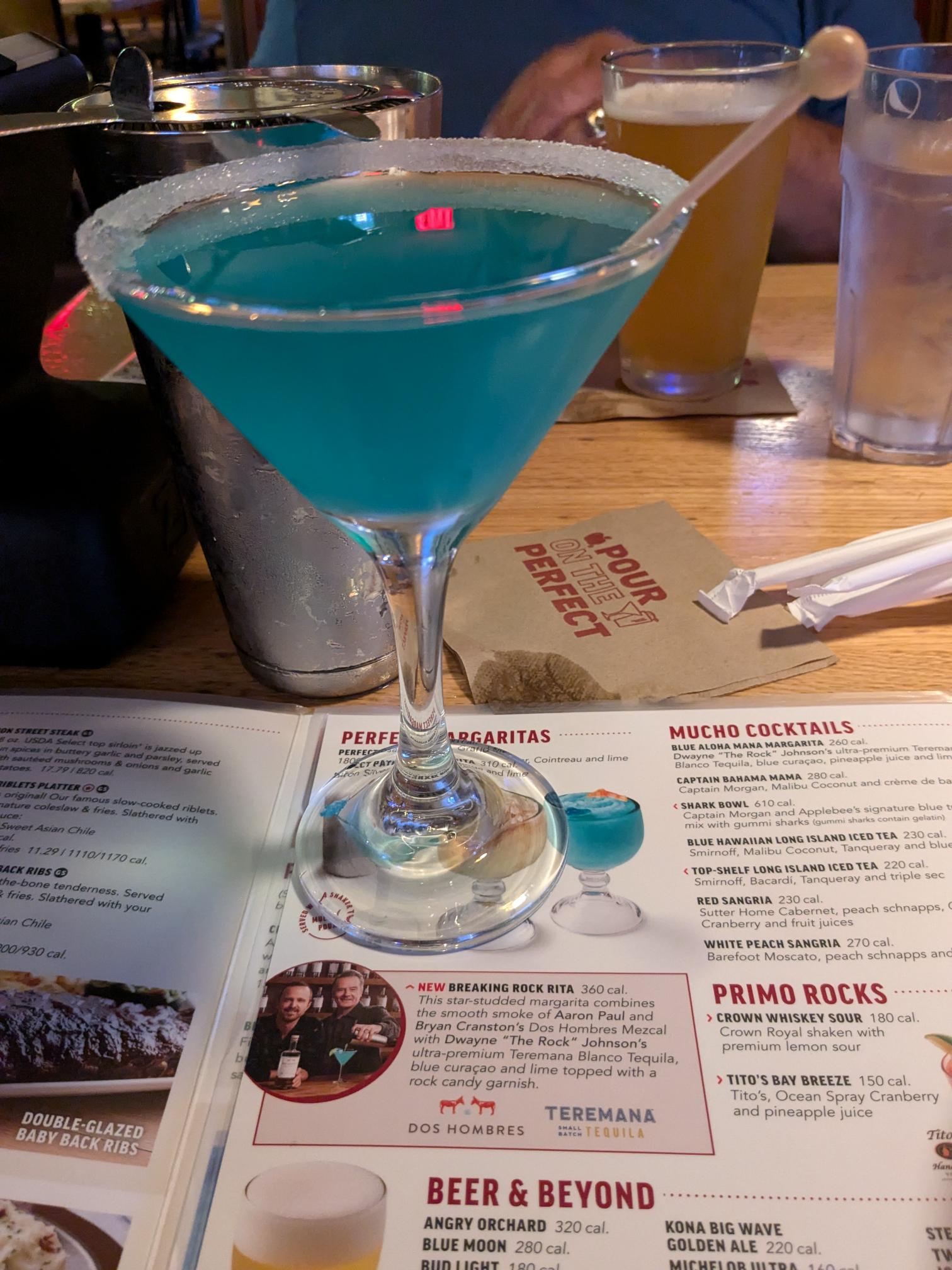

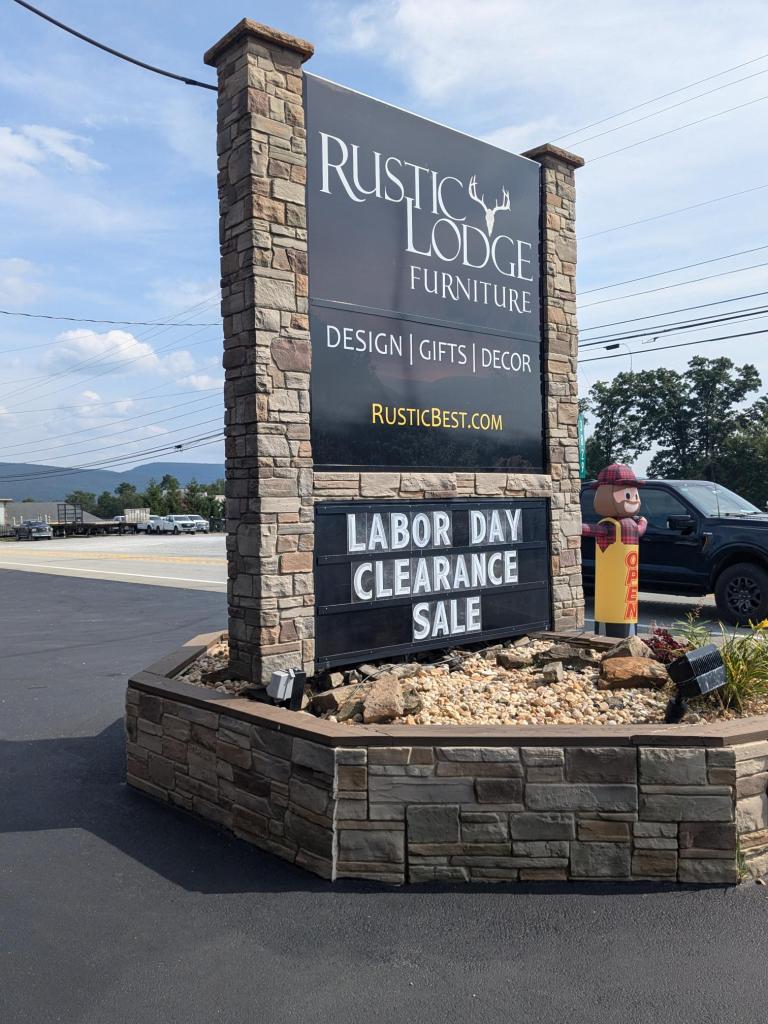
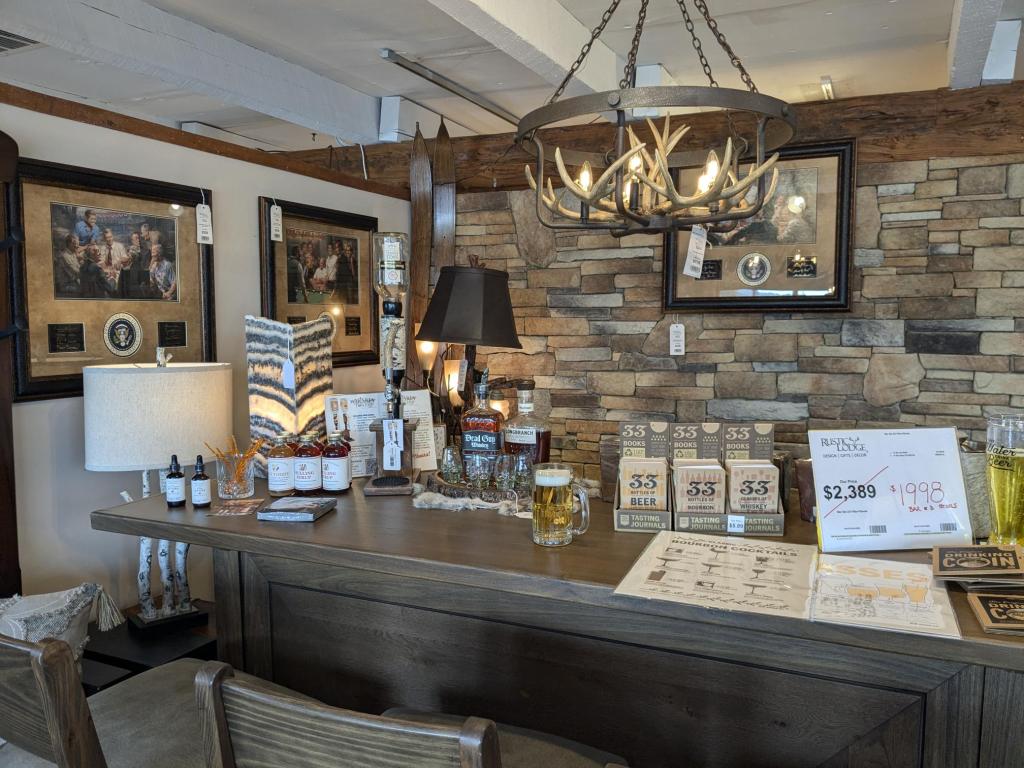
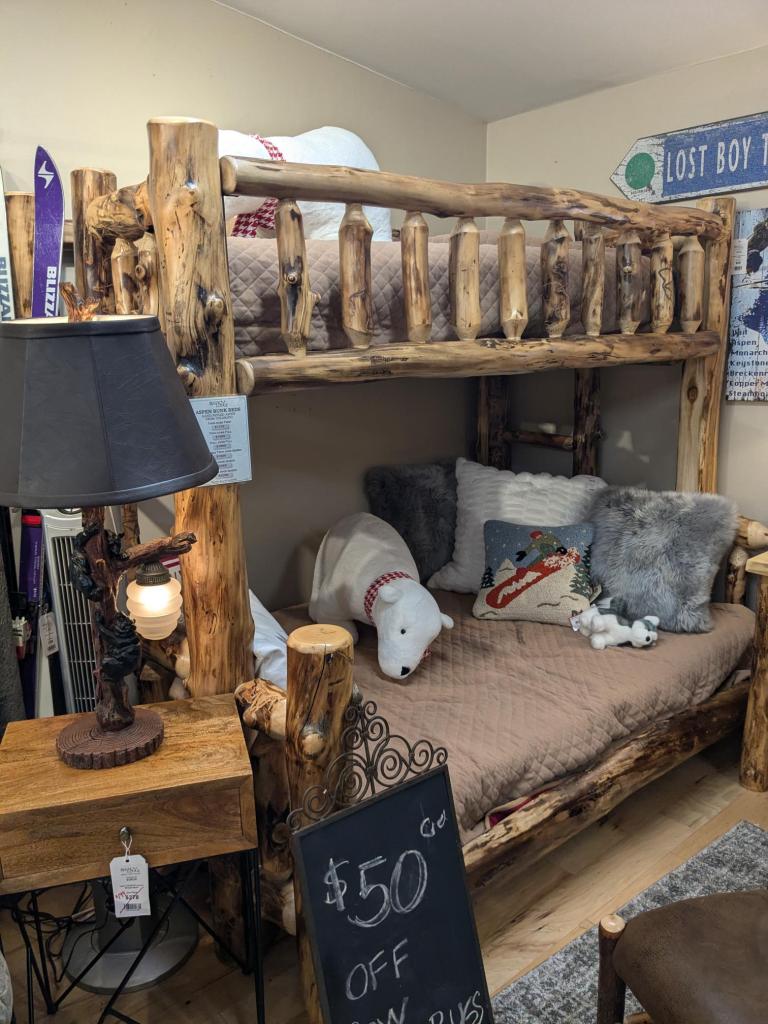
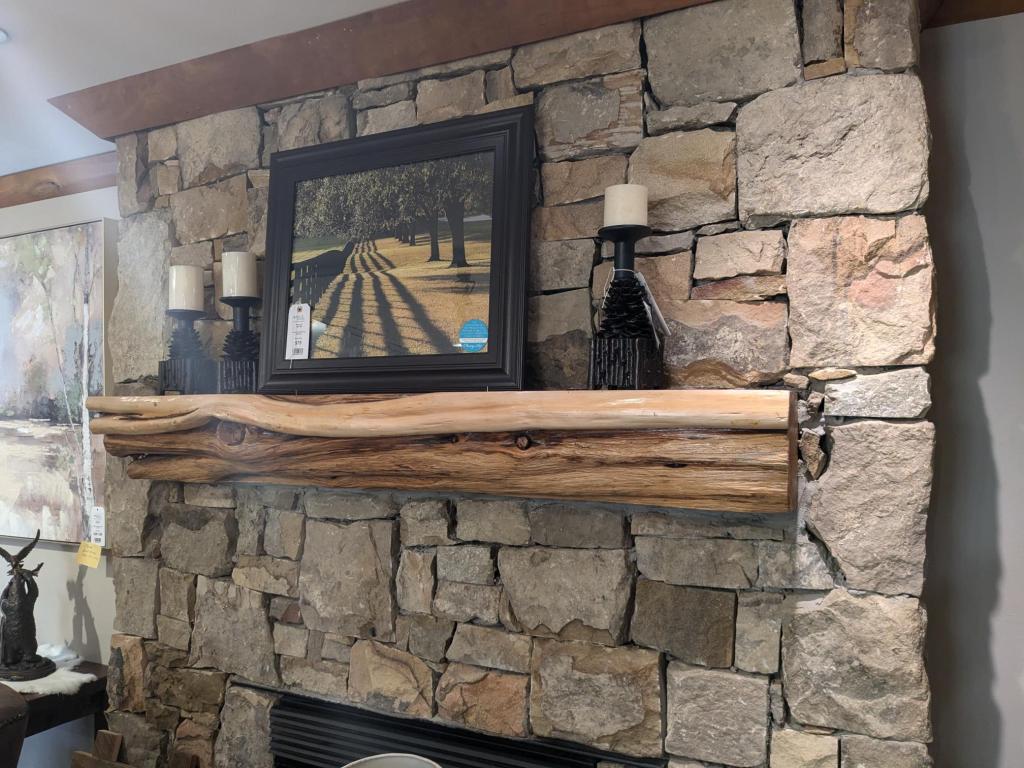
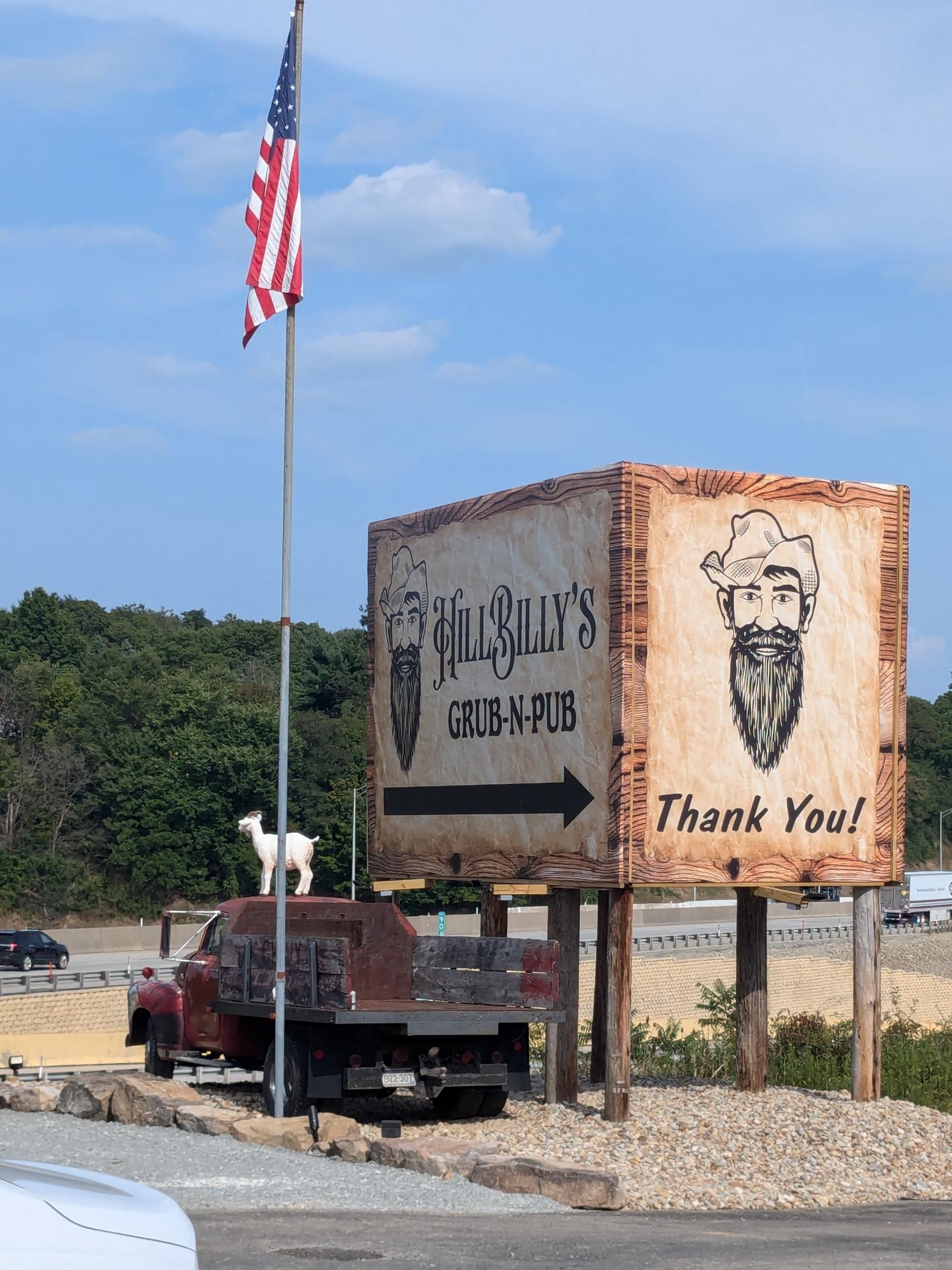
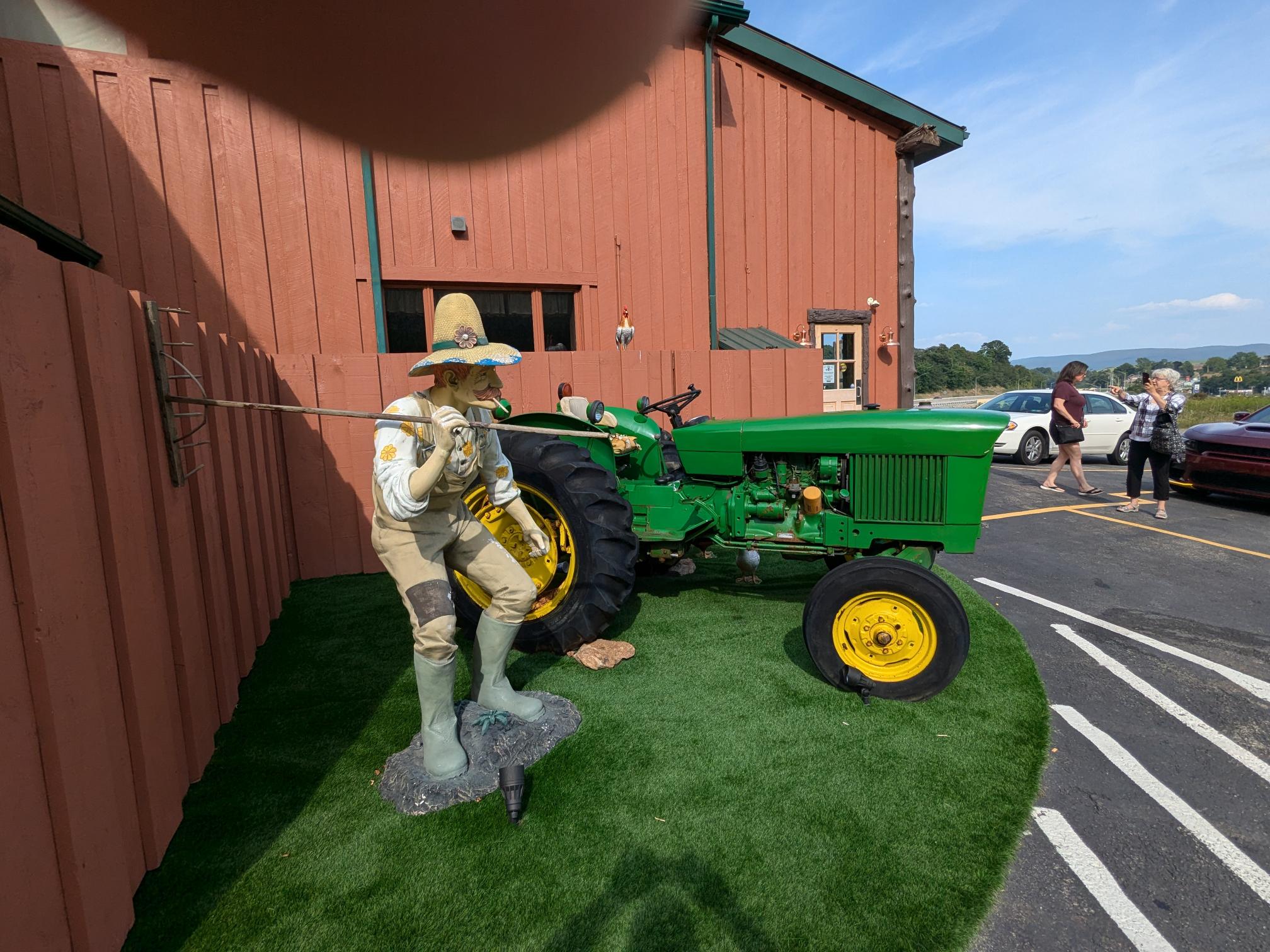
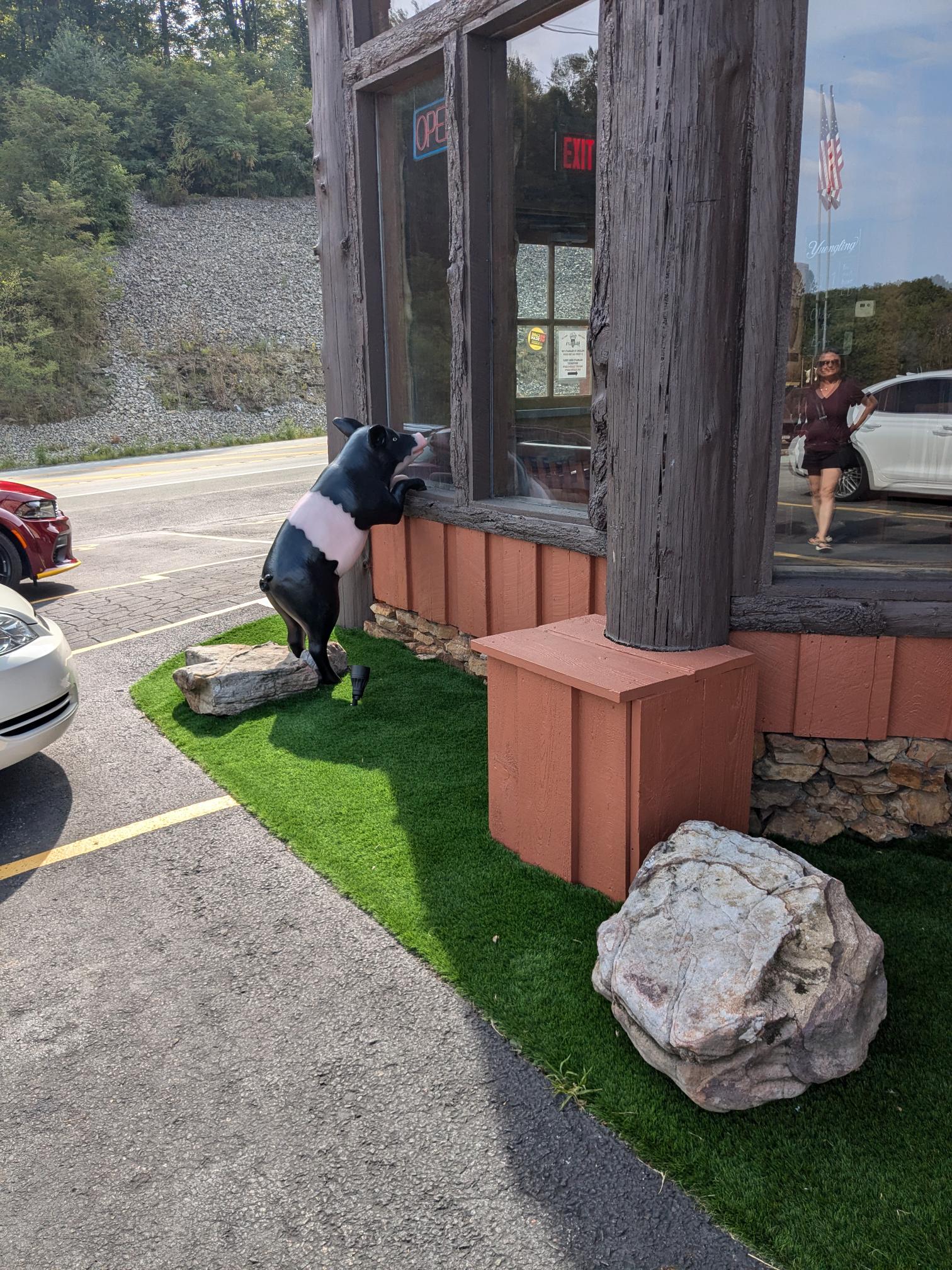
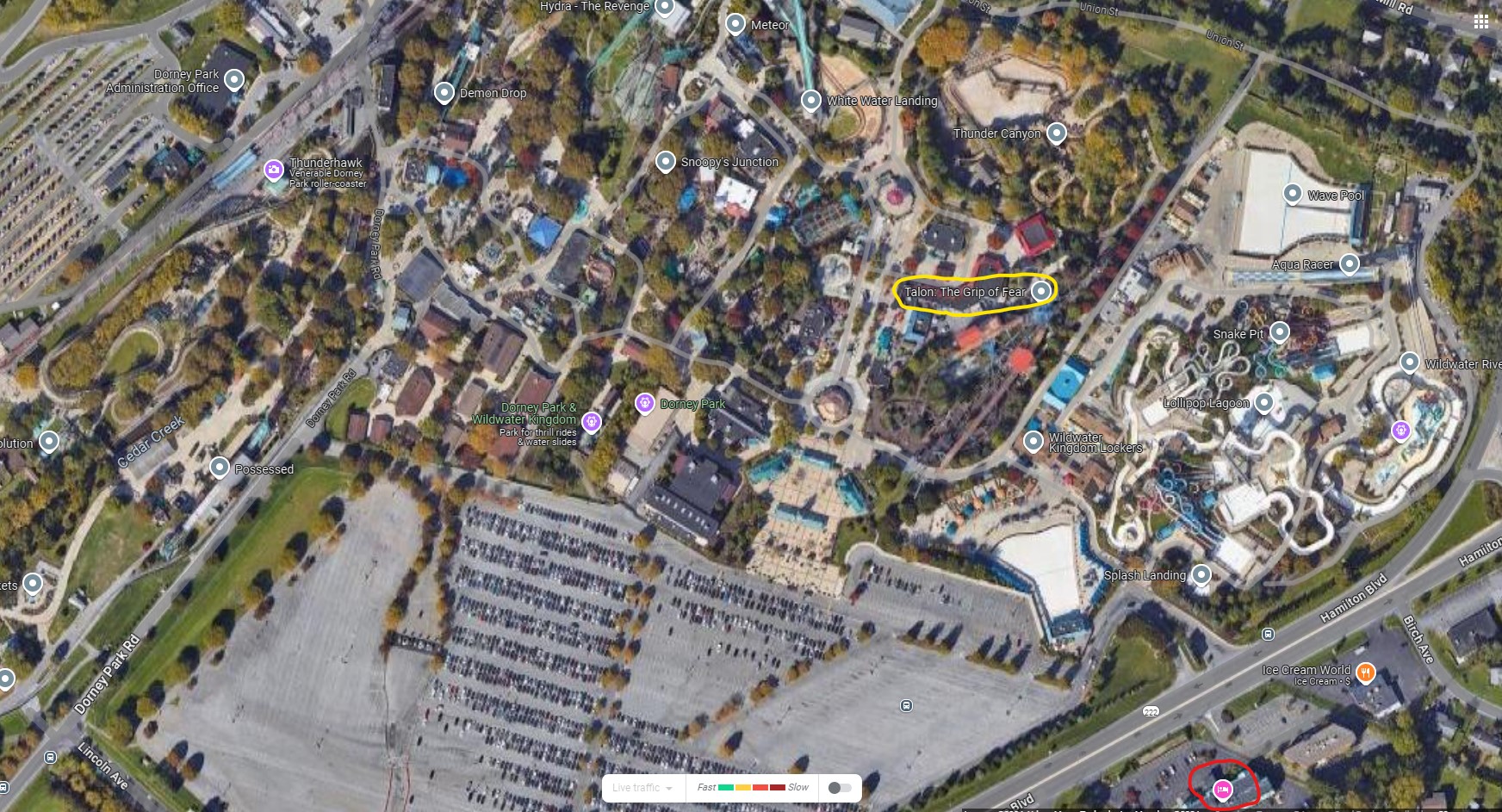

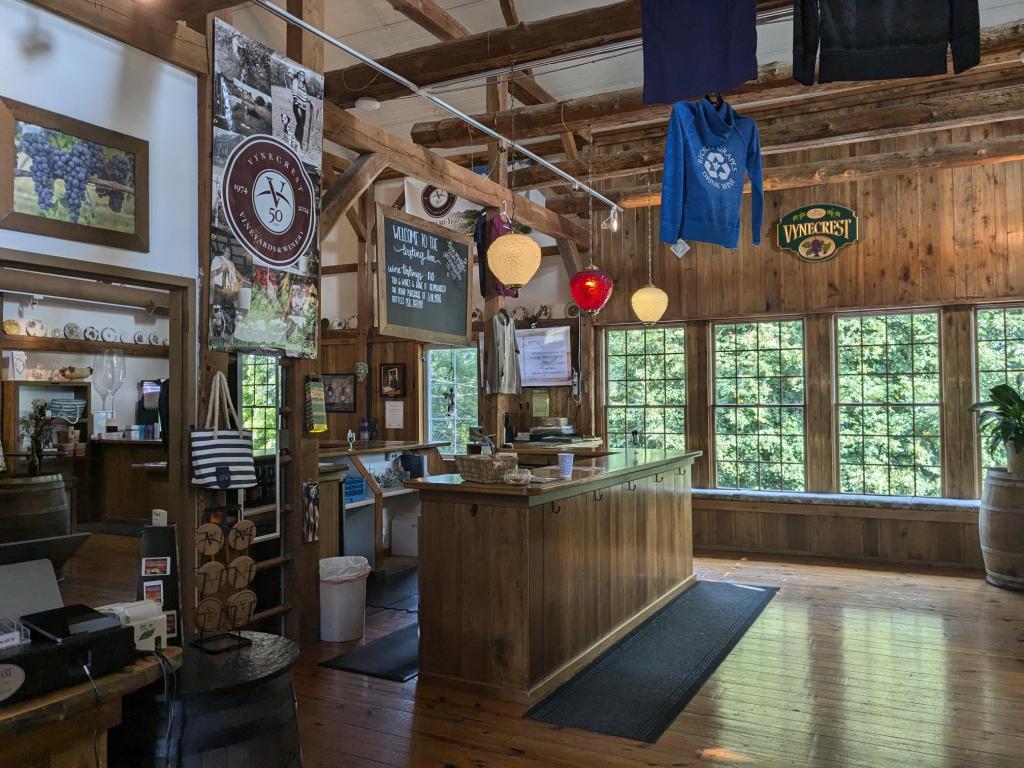
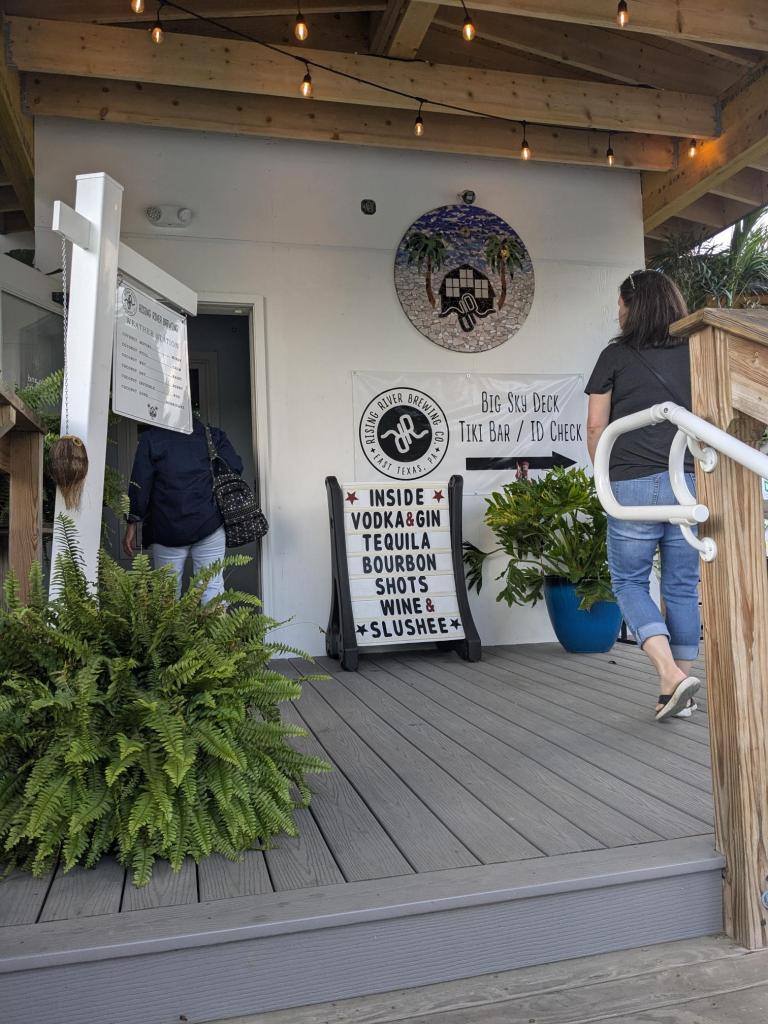
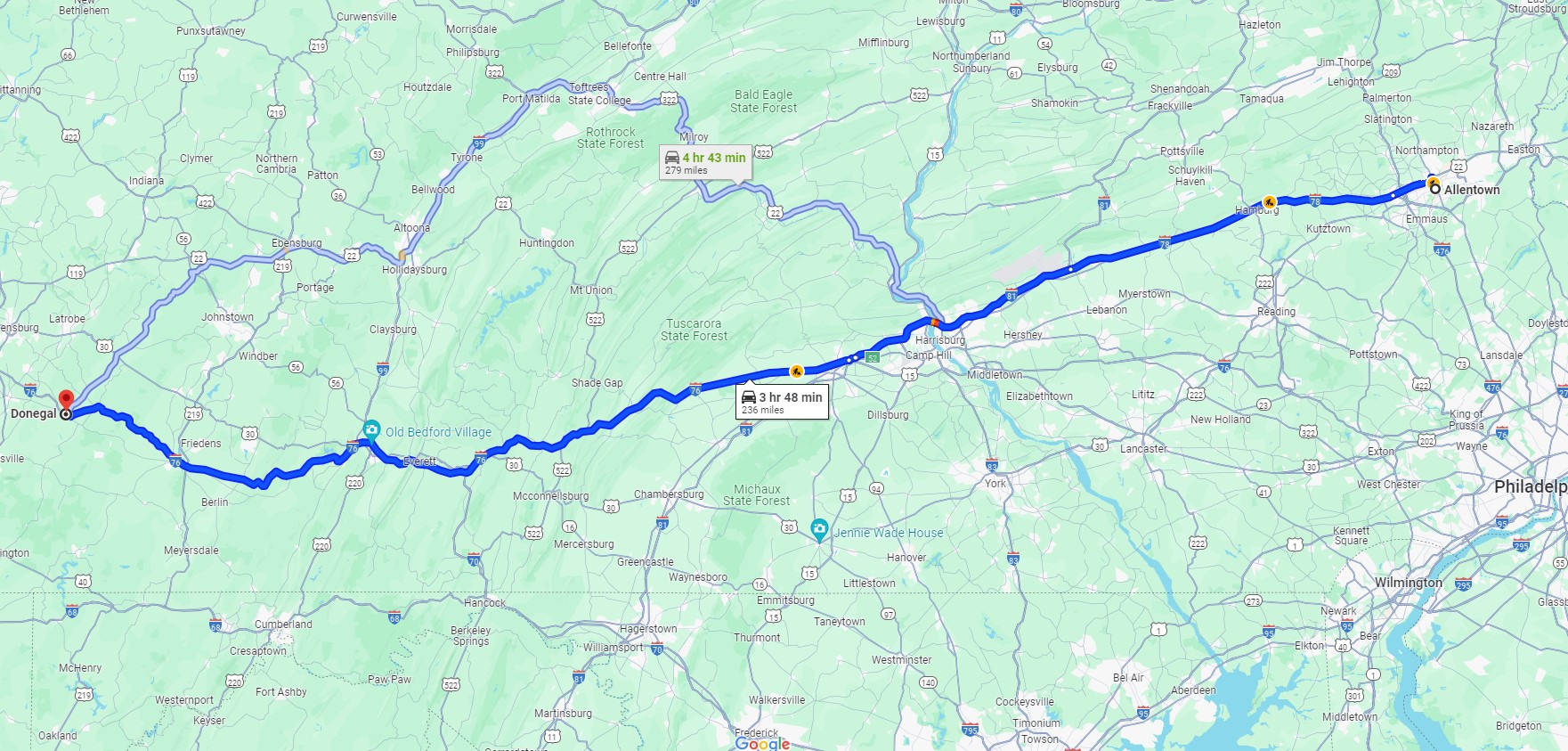
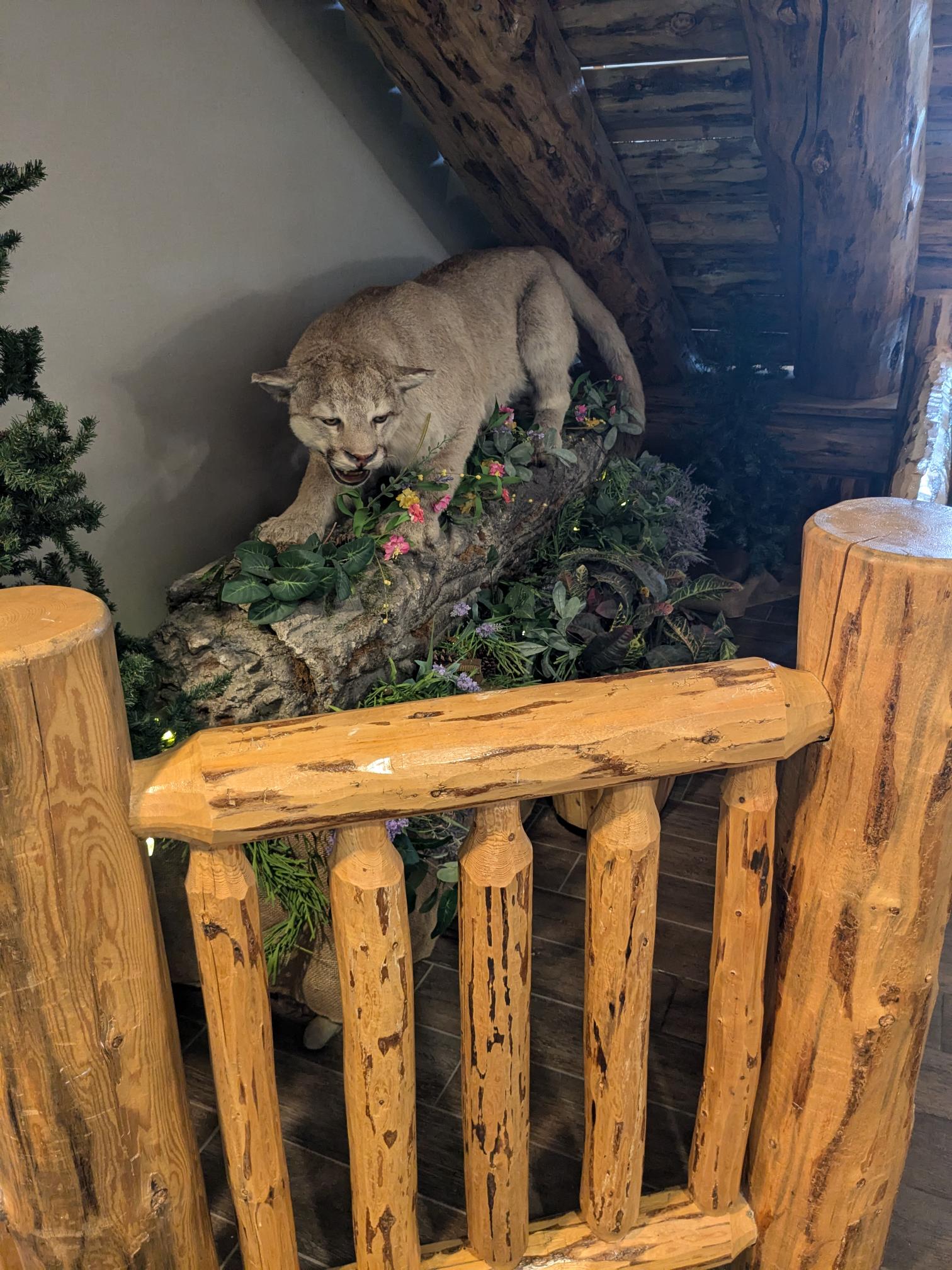
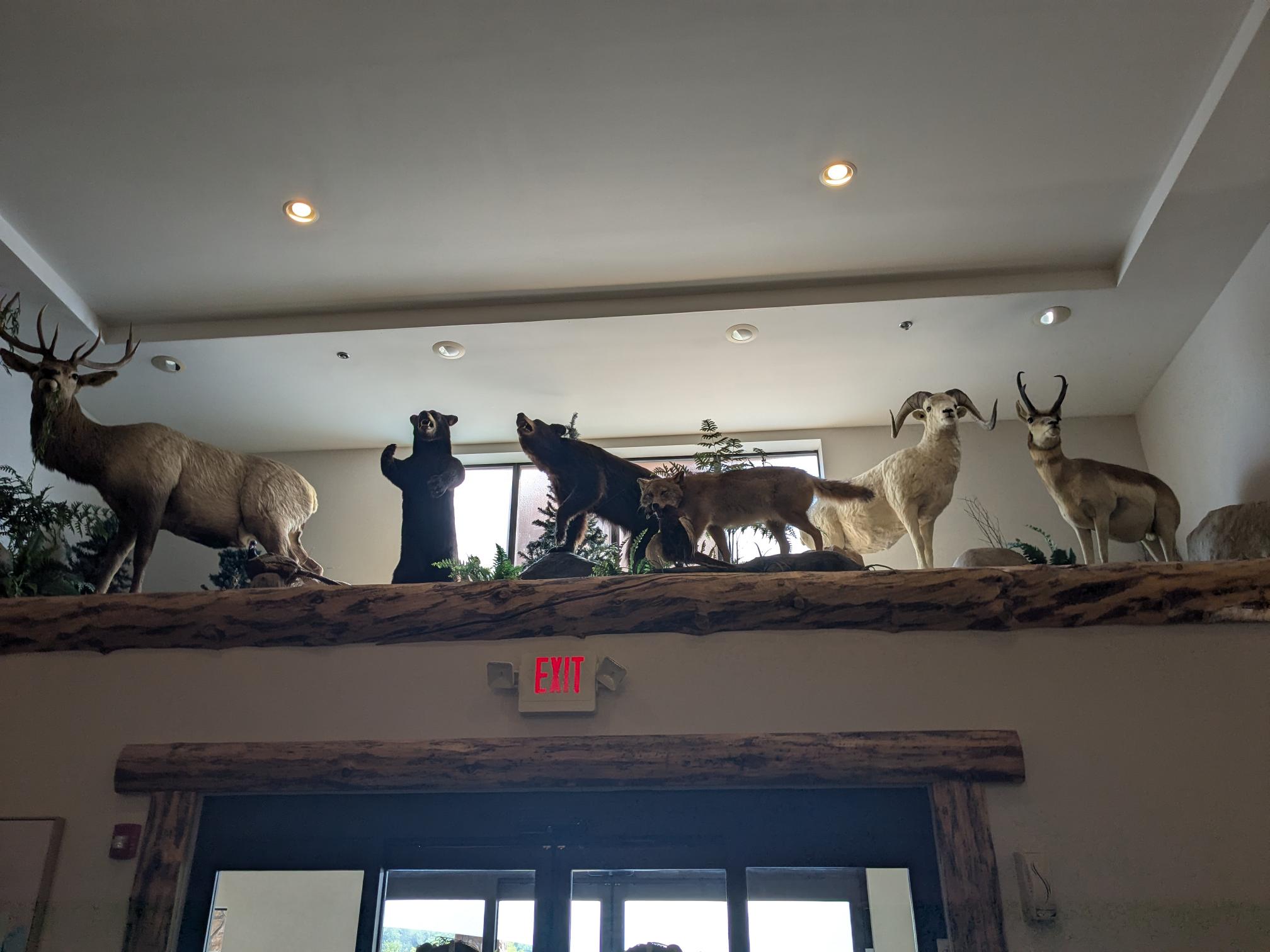
 PharmAspire